


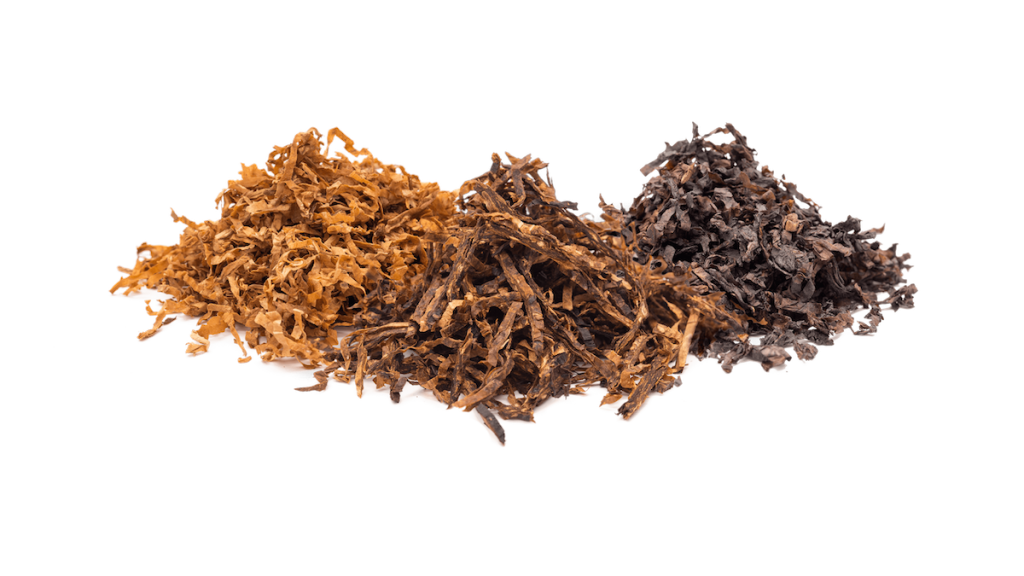
The common suggestion, have a bourbon, have a cigar, relax, overlooks the important aspect. Combining spirits and tobacco blends is science as well as tradition. The flavors, aromas, and chemical reactions all play into the experience. Get the balance wrong and the drink or smoke dominates the other. Get it right and you have a truly great experience.
Start With the Wrapper, Not the Box
The outer covering of the cigar, the wrapper leaf is regarded by the “Cigar Journal” to contribute between 60 and 90 percent of the overall flavor of the cigar. This you can say is the most logical basis to start deciding your pairing on.
A Connecticut shade wrapper is pale, silky, and mild and brings grassy, creamy notes that are just waiting to be overwhelmed. Give it a heavily peated Scotch and you might as well not have lit the cigar. A light rum or gin, something that lends botanical lift rather than smoke, will allow the wrapper to do its work. A dark Maduro wrapper, meanwhile, has been fermented longer (which invites the Maillard reaction) and brings that deep cocoa and roasted flavor out of the leaf. This wrapper can take a high-proof bourbon, the alcohol cuts through the oiliness rather than fighting it.
Like with like. It’s a simple rule but most people break it.
The Bridge Technique: Finding Shared Chemistry
Instead of randomly trying to mix and match what tastes good, look for a common compound between the spirit and the tobacco. This is where pairing gets scientific.
A cigar with a lot of cocoa and dark fruit notes often derived from a Nicaraguan Habano wrapper, shares a compound with a Sherry-cask-finished whisky that introduced the notes of dried fruit and chocolate via oak extraction to the spirit. You’re not contrasting, you’re doubling down on a note that’s present in both. The effect is additive. The smoke makes the whisky taste richer. The whisky makes the cigar taste sweeter.
Filler leaves matter here too. Ligero leaves burn slower and contain more strength. Seco and Volado are easier to combust and add to the balance. A blend that has a preponderance of ligero will require a spirit with enough presence to match up to it, a light aperitif will not stand up to the challenge.
For those of our readers either building a collection or delving into the different regions, it would be useful to spend some time to explore their cigars online to appreciate the number of different types of wrappers and origins before committing to a pairing approach.
Intentional Contrast and When to Use it
Not every combination aims for harmony. Sometimes, the most interesting strategy is to opt for stark contrast.
Rich, full-flavored Nicaraguan cigars coat the mouth with creamy, oily smoke. A sharply textured beverage does well here as it imparts a clean readjustment immediately after a puff.
An acid bomb cocktail with citrus in tow, or even a young Cognac whose grapes offer up a generous dose of acidity, accomplishes what you’re aiming at. This refreshing shock to the system is not so much about accentuating as it is about cleansing, much like serving sorbet between meal components.
Cognac and Armagnac work well in this role precisely because they’re fruit-forward. The ester compounds from grape fermentation offer a counterpoint to earthy tobacco without fighting it. They’re different enough to create contrast but not so extreme that they jar.
What won’t work here is ice water logic applied to spirits. A spirit served very cold constricts the taste buds and mutes the aromatic compounds you’re trying to engage. Cedar, spice, and the subtler retro-hale notes, the aromas you’d pick up exhaling gently through the nose, disappear when the palate is too cold to register them. Serve spirits at or near room temperature when precision matters.
Sequencing Your Session Correctly
Palate fatigue is the enemy of a long tasting session. If you open with a full-bodied Maduro and a heavily charred whisky, the rest of the session is going to taste flat. Nothing after that first combination will land properly because your taste receptors are already overwhelmed.
The fix is sequencing. Start with lighter wrappers and milder spirits, a Connecticut or Claro paired with something clean and low in tannins. Move progressively toward heavier profiles. The progression should mirror the way you’d approach a wine tasting: delicate whites before structured reds, not the reverse.
This also applies to how you use terroir when discussing either category. Tobacco grown in different soils and climates, Cuban, Dominican, Honduran, carries distinct mineral or environmental characteristics, just as wine grapes do. Those regional fingerprints become more apparent when you’re not smoking something more assertive right before it.
The Real Point of Pairing
Matching spirits with cigars is not about sticking to a list of dos. It’s about learning enough sensory language to know why certain pairings are successful, and then creating your own premises using that knowledge. The science behind it is real. The molecules react as expected. If you get the reasoning, the guidelines are no longer limitations but guidance.