


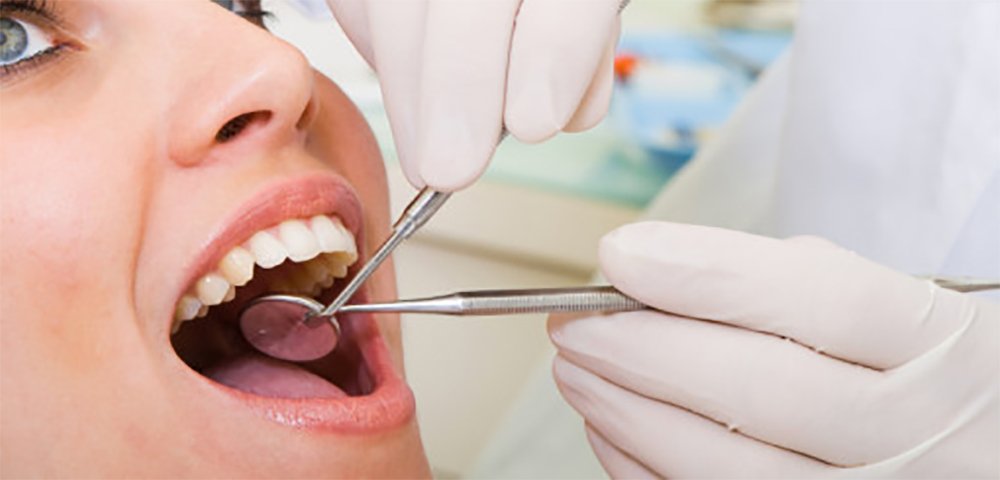
The health of our gums is a good indicator of our overall health, and research has shown that there may be a connection between gum disease and other diseases such as diabetes or rheumatoid arthritis. Yet, gum disease can be insidious and incremental, with few obvious warning signs until it reaches a more advanced stage.
The Part Brushing Can’t Reach
Brushing teeth helps in removing biofilm from the tooth’s surface. However, it is not effective in cleaning the bacteria below the gumline which is responsible for causing bad breath and infections leading to the breakdown of the alveolar bone.
This is known as periodontitis and is preceded by gingivitis which can be prevented by good hygiene. Periodontitis leads to irreversible bone loss. Only with proper treatment can the lost bone be restored, and in most cases, it is only partial.
The real danger lies in the fact that periodontitis does not show visible symptoms. Gum recession is a slow process and often goes unnoticed. Bone loss is painless. Teeth become loose only in the advanced stages of the disease. CDC reports that almost 47.2% of people aged 30 years and above suffer from some form of periodontal disease. For people aged 65 and above the percentage is 70.1. Most of them are unaware of their condition.
When a Routine Clean Isn’t Enough
General dentists play an essential role in maintaining good oral health, but there comes a time when treatment from a specially trained periodontist is necessary. Pocket depth, which measures the space between the gums and teeth, is a clear sign that the bacterial infection causing gum disease has gone beyond the scope of treatment your general dentist can provide. For healthy individuals, gum tissue should fit snuggly around the tooth, with healthy depths typically measuring 1-3mm. Readings of 4mm or more suggest that bacteria have begun colonizing the empty space beyond the reach of traditional dental prophylaxis.
The second part is bleeding, it’s not normal during brushing or a routine cleaning. It’s never okay to see blood because bacteria have been allowed access to the bloodstream. If your gums appear red, swollen, and often bleed, or if you notice that your gums are receding around your roots, you have active infections. So for patients showing these symptoms, co-management between general dentists and periodontists is key. A consultation at a Periodontics Centre in Melbourne, including X-rays and 3D imaging to assess bone density and volume, will give a periodontist an accurate measurement of pocket depths and available bone. This information helps determine whether a patient is in the early stages and can be treated with root planing and scaling or requires more advanced care.
The Systemic Case for Treating Gum Disease Early
Oral inflammation doesn’t stay local. The bacteria involved in periodontal disease have been consistently linked to cardiovascular disease, and poorly controlled diabetes both worsens periodontal disease and is worsened by it. The relationship runs in both directions.
Reducing the inflammatory load from active gum disease has measurable effects on systemic health. This isn’t a peripheral concern for patients managing blood sugar, heart health, or autoimmune conditions. It’s a direct clinical variable. Specialized periodontal care isn’t an optional extra, it’s part of managing overall health.
Saving a Tooth Versus Replacing One
There’s a cost and biology argument for early intervention that doesn’t get made clearly enough. Advanced periodontal procedures, osseous surgery to reshape infected bone pockets, soft tissue grafting to treat recession and protect exposed roots, regenerative techniques to rebuild lost support, are almost always less expensive than extraction followed by implant placement.
Dental implants are an excellent solution when a tooth is already lost. But a tooth with its own root structure, properly treated and maintained, performs better biologically. It preserves surrounding bone in a way that an implant, however well placed, can’t fully replicate. The goal of specialized care is to keep that original structure functional for as long as possible, not to manage its decline.
The economic case follows the same logic. Intervention at the stage of moderate periodontitis is far less expensive than extraction, bone grafting to restore lost volume, and then implant placement. The longer the gap between first signs and treatment, the more complex and costly the path back becomes.
What Proactive Looks Like in Practice
It’s a different framing than most people apply to dentistry. The default approach is reactive, something hurts, you go. Specialized care asks you to treat gum health the way you’d treat any chronic condition worth managing: with monitoring, professional assessment, and intervention before the system breaks down.
That means not normalising bleeding gums. It means asking for pocket depth measurements at check-ups. It means following through on specialist referrals rather than waiting to see if things settle. The teeth you still have in your sixties and seventies are largely determined by the decisions made in your thirties and forties. A brush reaches the surface. What sits below it requires professional attention.