


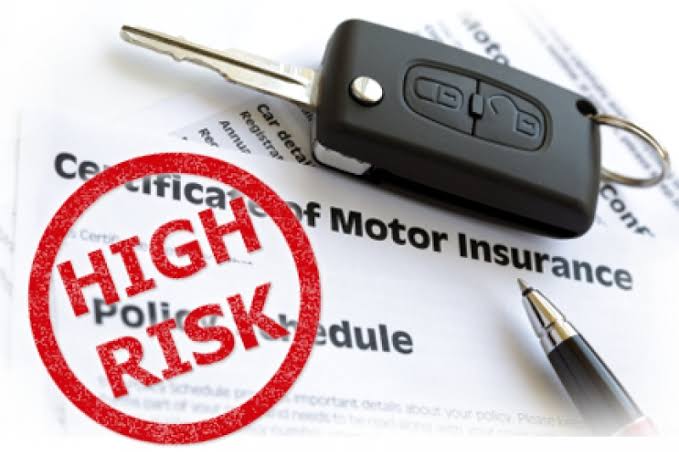
If you’ve been flagged as high-risk in Florida, a cheap online quote may not reflect the policy you can actually buy. Starting direct can make sense when your record is borderline, but contact an independent agent if the online system declines your application or cannot handle the required filing.
How Florida defines a high-risk driver
High-risk is a pricing tier carriers use when a driver’s file predicts more claims than a standard profile. Several common issues can move a driver into that tier.
A DUI conviction, two at-fault accidents in a short period, repeated moving violations or a coverage lapse can all have that effect. A low credit-based insurance score may also affect tiering where the insurer uses one. Standard carriers may then decline the application, leaving non-standard insurers that specialise in drivers with more complicated records.
Carriers generally check two reports. Your motor vehicle record shows tickets and suspensions from the DMV, while your C.L.U.E. report lists past claims tied to you or your policy. Dispute a cleared suspension, an unpaid denied claim, an outdated violation or a duplicate claim before shopping. Otherwise, incorrect information could affect your eligibility or quoted rate.
A quote based on incorrect information is not reliable.
What happens when you shop direct yourself
A direct writer provides quotes through a website or phone centre without local assistance. You enter your information, the system checks your driving and claims history, then automated underwriting produces a price, requests further review or declines the application. It is fast when your circumstances fit the system.
High-risk profiles do not always fit. A DUI, suspension, series of at-fault accidents or recent lapse may lead to a decline, depending on the insurer’s rules and the details of the record. The system may show a high price or say you do not qualify, often without explaining which rule caused the result.
Accurate information matters. Have your licence number, violation dates, VIN, mileage and garaging address ready. List every licensed household driver, even if they have separate insurance. You should also provide your previous carrier, exact lapse dates and any state filing letter. A date that conflicts with your MVR can change the price or trigger further review.
Quotes also need matching coverage. Compare bodily injury limits, deductibles, personal injury protection and property damage liability on the same basis. Check whether uninsured motorist coverage is included rather than removed to lower the total. Write down each limit before comparing prices.
Why the FR-44 rule changes everything
Florida generally requires an FR-44 rather than an SR-22 for the financial responsibility requirement associated with certain DUI convictions. This certificate is sent by the insurer to the state to show that the driver carries higher liability limits, and it may be required for licence reinstatement. Florida still uses the SR-22 for some other financial responsibility issues.
The Florida FR-44 requires 100/300/50 liability limits: $100,000 per person for bodily injury, $300,000 per crash and $50,000 for property damage. Standard Florida minimums are $10,000 in personal injury protection and $10,000 in property damage liability, with no general mandatory bodily injury coverage for standard drivers. That is a substantial increase in required protection.
Some online quote systems are designed around standard limits and less complicated records. Once a driver reports a DUI requiring an FR-44, the system may decline the application or show a preliminary price that still needs underwriting approval. Repeating the quote will not solve the problem if the platform cannot process the filing.
If voluntary insurers decline the risk, Florida has the Florida Automobile Joint Underwriting Association. This assigned-risk plan covers eligible drivers who cannot obtain insurance elsewhere, but it is generally a last resort. A non-standard carrier willing to file the FR-44 voluntarily may be another option.
What an independent agent does differently
An independent insurance agent can hold contracts with multiple carriers and request several quotes. A captive agent represents one company, while a direct writer operates without an independent intermediary. Access to several insurers can be useful when a driver needs specialised placement.
The main difference is underwriting appetite. Each carrier may treat combinations of violations, lapses, claims and credit history differently, subject to its approved underwriting rules and applicable law. A record accepted by one insurer may be declined by another, and eligibility can depend on the dates and severity of the incidents. An experienced agent should know which available carriers are likely to consider a particular record, although the insurer makes the final underwriting decision.
Pre-screening can reduce unsuitable applications. An agent can review MVR dates, filing requirements and violation history before deciding where to apply. Rather than repeatedly submitting failed online quotes, a driver can compare high risk car insurance in Florida through an independent agent familiar with non-standard carriers and FR-44 filings.
Bring the same information required online, along with proof of the filing requirement and relevant court paperwork. Mention tickets nearing their expiry date and claims under dispute. Accurate dates help the agent seek an appropriate match without unnecessary follow-up.
Cost and payment plans compared honestly
Agent-placed non-standard coverage may cost more than an initial online figure, but that online amount may not have received underwriting approval. A useful comparison must include the FR-44 and rate each violation correctly. Compare final, purchasable policies rather than preliminary estimates because neither channel is always cheaper.
Agents may also help drivers review payment options. Non-standard carriers often require a substantial portion of the premium upfront, which can be difficult alongside court costs and reinstatement fees. Instalment plans may offer a lower initial payment and monthly drafts, although fees can increase the total. The priority is choosing a schedule the policyholder can maintain without another lapse.
What to ask before you agree to a price
Confirm how much is due immediately and the monthly amount after fees. Ask what happens when a payment is several days late, how cancellation would affect the FR-44 and whether the due date can be changed. Get the answers in writing before comparing offers, and confirm filing or licence consequences with FLHSMV or a Florida-licensed insurer.
How to line up two quotes side by side
Place both declarations pages together. Compare liability limits, PIP, property damage liability, collision deductibles and other quoted coverages. Check whether uninsured motorist coverage is included or rejected in writing. A quote that lowers bodily injury limits below the FR-44 requirement is not valid for a driver who needs that filing.
The minimums trap that hurts Florida drivers
Florida’s standard minimums are $10,000 in personal injury protection and $10,000 in property damage liability. The basic package has no general mandatory bodily injury requirement. Self-service quote screens may default to these limits because they produce a lower price.
Those limits can leave substantial exposure. PIP provides up to $10,000 for the policyholder’s covered medical expenses and lost wages after a crash, subject to policy terms and Florida law. Property damage liability provides up to $10,000 for damage caused to another person’s vehicle or property. Without bodily injury liability, an at-fault driver may face personal claims for injuries that available insurance does not cover.
An agent can discuss bodily injury and uninsured motorist coverage, subjects a self-service screen may not explain fully. Uninsured motorist coverage can help with covered injuries caused by a driver who has no insurance or insufficient limits. The available options, limits and rejection requirements should be reviewed carefully before the policy is purchased.
Do not choose minimums solely to complete a filing quickly. Drivers subject to an FR-44 already need 100/300/50 liability limits and may consider retaining them after the filing period if affordable. Other higher-risk drivers can ask about mid-level bodily injury limits and whether a higher deductible would offset some of the cost.
Help after you buy matters more than you think
The process continues after coverage is purchased. Keeping the policy active without a lapse can support an eventual return to standard eligibility and pricing, although each insurer applies its own rules. Post-sale service is one of the clearer differences between direct and agent-assisted insurance.
An independent agent can contact the carrier about an FR-44 that has not posted, a late payment or a cancellation notice. The agent can also explain required claim documents and new entries on a C.L.U.E. report. This provides a consistent contact who already knows the driver’s record.
A direct writer usually handles service through a national phone queue. Representatives follow company procedures and cannot change underwriting rules. If a policy ends or a required FR-44 is withdrawn, the insurer may notify the state, and the effect on the driver’s licence will depend on the circumstances. Confirm the consequences and any steps needed to remain compliant with FLHSMV or a Florida-licensed insurer.
Ask an agent how the office handles filings and renewals, including whether it confirms FR-44 acceptance, reviews expiring surcharges and re-shops policies when appropriate. The answers show what level of ongoing service is included.
When direct wins and how to time your exit
Direct shopping can work well for borderline risk. A driver with one minor speeding ticket, five otherwise clean years, no lapse and decent credit may still qualify for standard pricing. In that situation, starting online can be efficient.
Move to an agent after a flat decline, a sharp increase following the MVR check or a requirement for an FR-44 to reinstate a licence. These outcomes suggest that automated underwriting may not suit the file.
There is no single timetable for every violation, suspension or insurance surcharge. Florida Statute 324.023 provides for a minimum three-year financial responsibility period for the DUI-related requirement it covers, while insurer rating treatment may follow different approved rules. Mark the relevant dates and maintain clean driving, continuous coverage and steady credit. An agent can request a new quote when the record, filing requirement or insurer eligibility changes.
Household changes can also affect that timing. Adding a teen driver or a high-mileage second vehicle may keep the tier elevated as older tickets expire. Tell the agent before changing vehicles or drivers so the available carrier options can be reviewed.
Keep filing letters, reinstatement receipts and payment confirmations together. When standard pricing becomes available again, a clear paper trail and continuous coverage history will help document the change from high-risk status.