



Betta fish, often referred to as Siamese fighting fish, are among the most recognizable freshwater species kept in home aquariums. Native to Southeast Asia, they developed their vibrant colors and diverse fin shapes through generations of selective breeding. Their adaptability to small environments, such as bowls or compact tanks, makes them appealing to both beginners and experienced fish keepers. Male Bettas are known for their territorial behavior, which adds to their reputation as striking yet assertive aquarium pets. Ensuring proper care, such as maintaining clean water, stable temperatures, and a balanced diet, is crucial for their long-term health.
Understanding the many Betta varieties is essential for hobbyists who want to provide appropriate care. Each type displays unique characteristics, from bold colors to elaborate fin shapes. These variations influence not only their appearance but also their specific needs. Recognizing these differences helps owners select the right Betta for their environment and ensures a more rewarding experience. A deeper appreciation for these varieties enriches the hobby and encourages responsible fishkeeping practices.
Understanding Betta Fish
The fascination with aquariums continues to grow, largely because they offer a peaceful and visually pleasing experience. For many enthusiasts, building an aquarium becomes an opportunity to design a miniature ecosystem that reflects natural underwater environments. Bettas, with their vivid colors and expressive behavior, often become the focal point of these small aquatic landscapes. Hobbyists enjoy experimenting with different plant arrangements, decorative elements, and lighting choices to create an appealing and comfortable habitat.
In any aquarium, species diversity contributes significantly to environmental balance. While Bettas are often kept alone due to their territorial tendencies, understanding the role of species diversity helps aquarists appreciate the importance of maintaining stable conditions. In natural ecosystems, each species contributes to nutrient cycling, competition, and overall equilibrium. In-home aquariums, this concept translates into providing the right plants, maintaining water quality, and ensuring that any additional tank mates, if chosen, are compatible. Responsible care supports a healthy environment for Bettas and contributes to their longevity.
Distinguishing Features of Male Elephant Ear Bettas
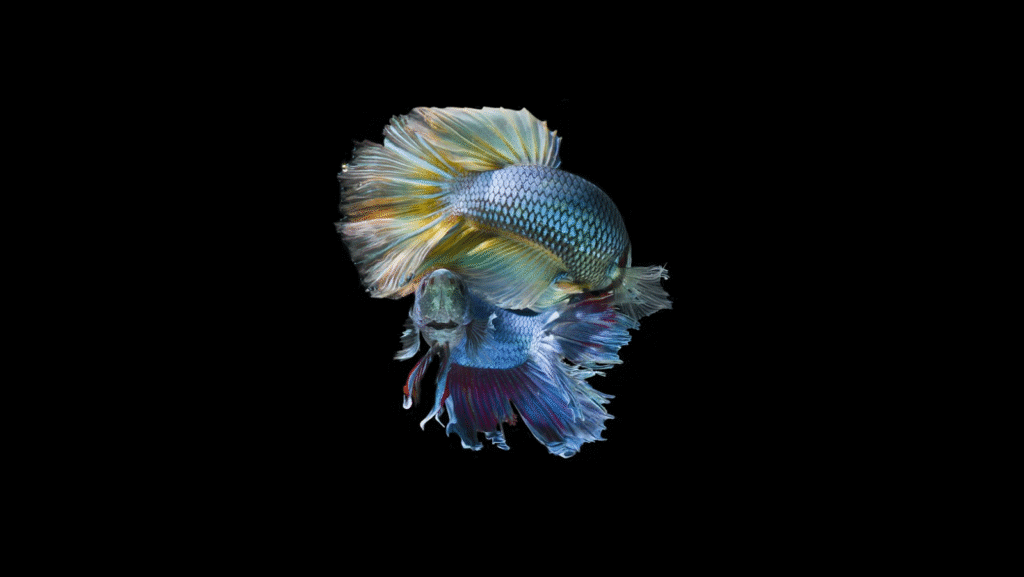
One of the most distinctive Betta varieties is the male Elephant Ear Betta. These fish are easily recognized by their oversized pectoral fins, which spread outward like large wings and resemble the ears of an elephant. This feature gives them a dramatic appearance that sets them apart from other types. Their movements are slower and more deliberate due to the weight and width of their fins, creating an elegant swimming style that many owners find captivating.
Color and pattern diversity add to their appeal. Elephant Ear Bettas can display marbling, solid tones, gradients, or unique pattern combinations influenced by genetic traits and selective breeding. These markings offer insight into their lineage and development. In natural settings, patterns may serve functions such as camouflage or signaling, although in aquariums they primarily enhance visual interest. Their distinctive appearance makes them a popular choice among aquarists seeking a visually impressive Betta variety.

Comparison with Other Betta Varieties
Male Elephant Ear Bettas differ from other Betta varieties in several ways. Their large pectoral fins impact their swimming ability, making them less agile than Bettas with shorter or more streamlined fins. While all male Bettas are territorial, Elephant Ear Bettas may require slightly calmer tank environments to accommodate their oversized fins. Strong currents can cause stress or difficulty in movement, so their tanks must be carefully structured.
Their care needs also show subtle differences. Although their dietary requirements mirror those of other Bettas, the condition of their fins makes them more prone to damage if kept in environments with sharp decorations or aggressive tank mates. Owners must choose tank elements that will not snag or tear their fins. Elephant Ear Bettas also benefit from consistent water conditions, as fluctuations can affect their overall health more noticeably due to the additional strain on their body from larger fins.
Caring for Male Elephant Ear Bettas
Providing an appropriate environment is essential for the well-being of Elephant Ear Bettas. They need warm water, ideally between 78°F and 82°F, to support proper metabolism and immune function. The pH should remain between 6.5 and 7.5, and the tank should be equipped with gentle filtration to maintain water cleanliness without creating disruptive currents. Plants and hiding spots help reduce stress and create a sense of security. Since their fins are wide and delicate, decorations should be smooth and free of sharp edges.
Nutrition plays a major role in their overall health. These Bettas thrive on high-quality pellets or flakes formulated specifically for them, supplemented occasionally with treats such as brine shrimp or bloodworms. These protein-rich foods support fin growth and coloration. Overfeeding must be avoided, as it can lead to digestive issues or poor water quality.
A consistent care routine helps maintain a stable environment. Owners should monitor water conditions regularly, observe the fish for changes in behavior or appearance, and perform routine water changes to remove waste buildup. Maintaining stable temperatures and avoiding sudden adjustments is especially important for Elephant Ear Bettas due to their sensitivity. With proper care, they exhibit vibrant colors, flowing fins, and the curious behavior that makes Bettas such engaging pets.