


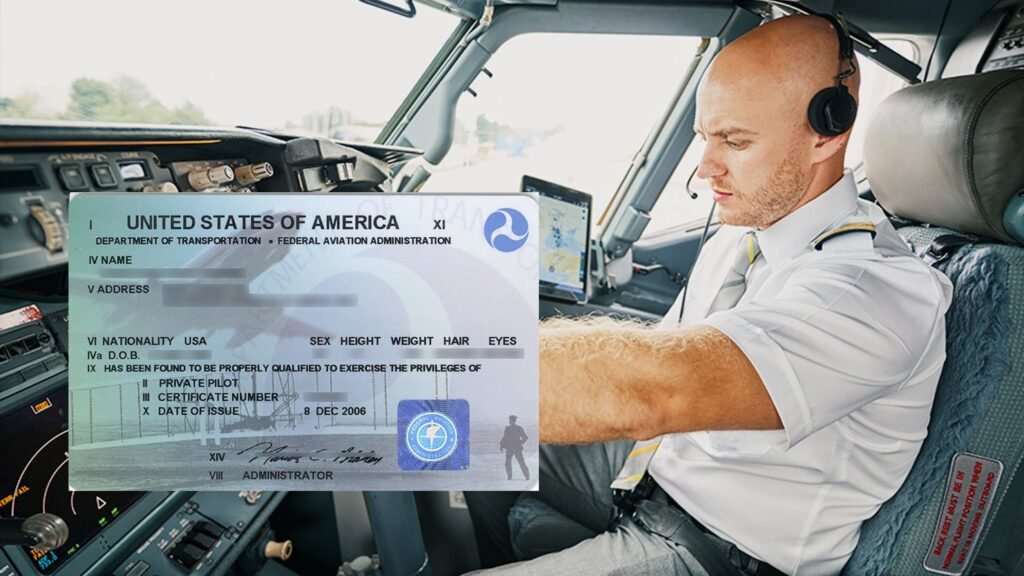
Earning a pilot’s license is one of the most rewarding pursuits available to adults who are willing to invest sustained effort over several months. In Illinois, the process is well-defined, the resources are excellent, and the airspace environment produces pilots who are genuinely prepared for real-world flying. This guide walks through every major stage of the journey from initial inquiry to certificate in hand.
Step 1: Understand the Certificate Options
The FAA offers several pilot certificate categories. For most new students, the two most relevant are the Sport Pilot Certificate and the Private Pilot Certificate. The Sport Pilot Certificate requires a minimum of 20 flight hours and allows flight in light sport aircraft during daylight hours in good weather. The Private Pilot Certificate requires a minimum of 40 hours (most students complete 55 to 70), but opens significantly more doors: larger aircraft, night flight, passengers in any general aviation aircraft, and a foundation for instrument and commercial ratings.
Step 2: Get a Medical Certificate
Before accumulating significant training hours, prospective pilots should schedule an appointment with an FAA Aviation Medical Examiner. A third-class medical certificate is required for Private Pilot privileges. The exam covers vision, hearing, cardiovascular health, and a review of medical history. Many common conditions — corrected vision, controlled blood pressure, prior surgeries — are not disqualifying. Confirming eligibility early avoids investing training hours only to encounter a medical barrier later.
Step 3: Choose the Right Flight School
This is the most consequential decision in the training process. The quality of instruction, the condition of the aircraft fleet, the structure of the curriculum, and the culture of the school all have measurable impact on how long training takes and how well-prepared the resulting pilot is.
In Illinois, students searching for a reputable aviation school Illinois should evaluate several factors: instructor experience and retention, aircraft recency and maintenance records, curriculum structure, and whether the training environment suits their learning style. Lumina Aviation in Waukegan checks each of these boxes — modern Bristell aircraft, structured progression, and a professional instructional culture designed for adult learners.
Step 4: Complete Ground School
Ground school covers the aeronautical knowledge required to pass the FAA written exam: aerodynamics, aircraft systems, meteorology, navigation, airspace regulations, and aeronautical decision-making. Students can complete ground school through in-person courses, self-study using FAA publications, or structured online programs. Most complete ground school concurrently with early flight lessons, so the knowledge reinforces practical experience in both directions. The FAA written exam consists of 60 multiple-choice questions requiring a score of 70 percent or higher to pass.
Step 5: Flight Training Milestones
Flight training progresses through defined milestones. The first solo flight — typically achieved between 15 and 30 hours depending on the student — is a rite of passage every pilot remembers. Solo cross-country flights follow, building navigation and fuel planning skills. The night cross-country requirement adds another dimension. Each milestone is a prerequisite for the next, creating a logical progression that builds competency systematically.
Step 6: The Practical Exam
The private pilot practical exam is conducted by an FAA Designated Pilot Examiner and consists of an oral exam covering aeronautical knowledge and a flight portion demonstrating practical skills to Airman Certification Standards. Students who have followed a structured training program and are honest with their instructors about areas of weakness consistently pass on their first attempt.
After Certification: What Illinois Opens Up
A private pilot certificate issued in Illinois is valid nationwide. From Waukegan, a certificated pilot can reach destinations across the Midwest in times that compete favorably with commercial travel for regional trips. The certificate is also the foundation for instrument, commercial, and flight instructor ratings — each of which expands capability and opportunity further.
The journey from ground to sky is measured in months, not years. The question worth asking is not whether it is achievable. It clearly is. The question is when to begin.