


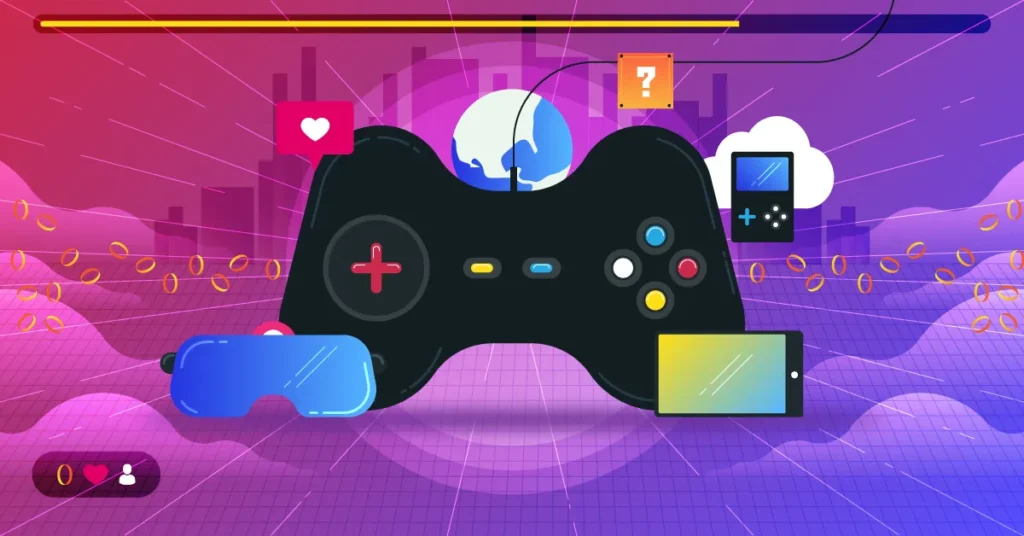
Gaming technology has revolutionized how millions of people spend their leisure time. What once were pixelated images on hefty consoles has morphed into a multibillion dollar industry that pervades so many facets of contemporary entertainment. Changes to gaming technology haven’t merely been superficial, allowing for better graphics or better processors for better graphics. They’ve changed the dynamic of what entertainment is and how people experience it forever.
Graphics that Look Like Reality
The growth in graphical fidelity from what was available twenty years ago in comparison to now is staggering. A game rendered in the 2000s that looked impressive at the time, even with its limitations, is humorous when compared with what developers can create today. Modern engines are capable of rendering light patterns, textures, and movement that makes people and locations look less digital and more like reality.
This matters because part of the immersive experience relies on graphics. The more believable a game looks, the more engrossed a player can get within it. Racing games feel more exhilarating when passing off a photo-realistic wall. Adventure games feel more intriguing when characters’ facial expressions reflect true emotion. What developers need to create is now possible because graphics are no longer a barrier to expression.
But it’s not just that graphics look pretty; they’ve expanded genres and types of experiences that were impossible before. Virtual reality gaming depends on high-quality graphics in which the player’s perspective needs to move with the image rendered at extremely high speeds. If modern processors couldn’t create slightly different images for each eye so fast, virtual reality would still be an experimental idea instead of an entertainment offering.
When Technology Meets Connectivity
The single greatest change in gaming, however, comes from the shift to online gaming. Playing games on one’s console or computer used to be a fairly isolated experience, whether one was playing alone or with friends sitting right next to them. Modern gaming is almost inevitably a connected experience.
Multiplayer games have become a default expectation instead of an exception. Players need only to connect to the Internet to team up or battle against people across the globe at a moment’s notice. This has created vast online communities surrounding individual games; some games boast thousands of players at any given time who have been active for years or decades.
Browser-based platforms have capitalized on this shift too. Sites like rb7 let people jump straight into entertainment without installing anything, which is exactly the kind of convenience modern audiences expect.
New categories of entertainment have also emerged strictly from online functionality. Streaming services work like their comparable Netflix projections, permitting individuals access to an extensive library without downloading each individual program. Cloud gaming goes a step further where games run on remote servers, streaming the output to any device, so someone can play heavy-duty games on their phone or MacBook without downloading the program, needing highly advanced graphic rendering.
Live streaming has also become the norm, making gaming a spectator sport. Millions of people around the globe watch others play video games on platforms like Twitch. Not only does an entire ecosystem of entertainment exist around gaming content, but some streamers have reached celebrity status while esports tournaments fill arenas with millions watching competitive gaming at the highest levels.
Taking Gaming Mobile
Smart technology revolutionized casual gaming in ways few could expect. All of a sudden, everyone had gaming capabilities with them at all times, regardless of location. Casual gaming exploded because those who avoided the habit due to access barriers, which would mean couch access and a working console without a subscription, now have free games at their fingertips whenever they desire.
This means that the App Store model worked as a great way to try games without any commitment. A free game on a phone meant that a player didn’t have to shell out $60 and hope for the best. They could download it, see if they liked it, and only then might they spend money once they invested their time. This model has spread throughout the industry to include other titles who usually charged an initial retail price but now invoke a free-to-play model with microtransactions available.
Access to gaming has also meant that a game can occur in small bits of time throughout the day. Standing in line, riding the bus, sitting through a break at work afforded small opportunities for quick games to fill the time—meaning types of games that catered toward shorter, casual experiences garnered mass appeal among traditional gamers who could never have reached such an audience before.
Processing Power Creates What Was Once Impossible
Processors now are capable of computation that seemed implausible just ten years ago. The ability for computers and consoles to withstand the processing power enables developers to create more complicated open-worlds with complicated coding which means sophisticated artificial intelligence, realistic physics, and dynamic environments based on player choices.
Worlds can be expansive and detailed all at once. Open worlds provide players the ability to explore locations the size of entire metropolises with thousands of characters, places and accessible interaction. The technology enables everything to happen seamlessly in real-time, creating the illusion of living, breathing virtual spaces.
Artificial intelligence is smart enough to feel nuanced. Enemy characters in shooters flank new opportunities in team formation. Sports games project players’ actions realistically based upon tendencies and actual statistics. Strategy games can offer challenges that adapt to how a player deals with the problem and if they respond differently elsewhere.
Cross-Platform Play Brings Down Barriers
One of the newest accomplishments comes from cross-platform play functionality. Players on different devices can play together in the same game rooms now; someone on PlayStation can team up with someone on Xbox or PC—which was once thought impossible just a few years ago based upon corporate competitiveness and technical barriers.
This matters because it relieves the burden of choosing which platform to buy. This decision meant a player might be divorced from friends who made other decisions; now, hardware doesn’t matter because it can either be personal preference or for exclusive titles, but as far as interactivity is concerned, everyone can play together.
Cross-platform save functionality has also emerged; downloading a game on one’s personal laptop and wanting to then continue it on their PlayStation means they don’t have to start over if saves are saved to the cloud. Now people can play from their living room TV to their laptop while waiting for their train without losing their spot.
What This All Means
Gaming technology hasn’t just changed the games themselves; it revolutionized what entertainment even is. The worlds of gaming, social media and traditional media have blurred together to where they feel nearly indistinguishable—people watch gaming content like television shows, socialize through games like social media avenues, and access various forms of entertainment through gaming advancements on any device they possess.
With advancements continuing every single day at a rapid pace, there’s no telling what will be cutting edge in ten years. However, it’s clear that something changed fundamentally about how people receive and interact with any form of entertainment forever due to gaming technology.