


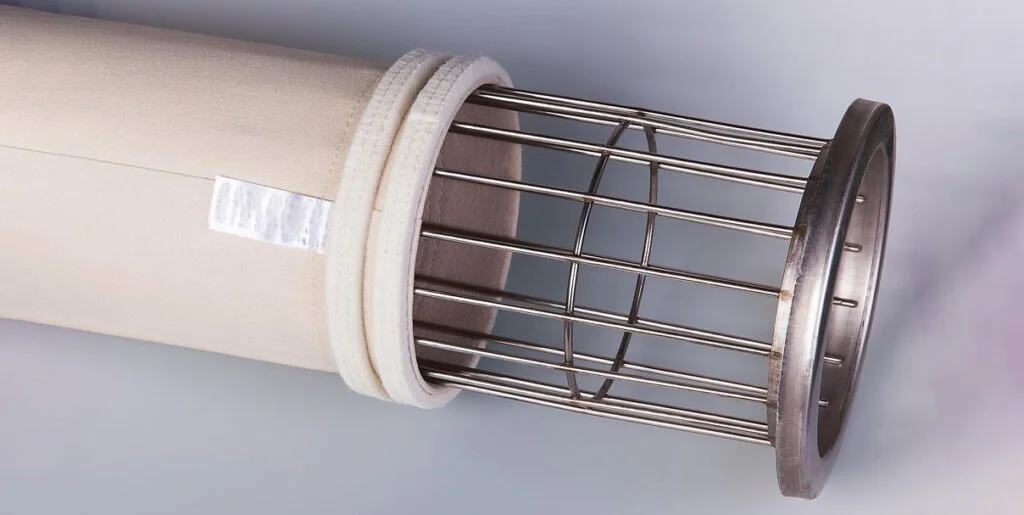
Dust collection is one of those operational systems that rarely gets attention until something goes wrong. When a facility’s air quality degrades, when filters fail prematurely, or when regulatory inspections flag inadequate containment, the conversation quickly turns to equipment that was selected without enough scrutiny. For many facilities, the filter box sits at the center of that conversation.
Whether a facility operates woodworking machinery, metalworking equipment, pharmaceutical processing lines, or food production systems, the performance of a dust collection system depends heavily on how well its filtration components are matched to the application. Choosing the wrong configuration leads to increased maintenance costs, inconsistent airflow, shortened filter life, and in some cases, genuine safety exposure for workers and equipment.
This guide is written for operations managers, maintenance supervisors, safety officers, and procurement teams who are evaluating or replacing filtration components and want to understand what actually matters before making a purchase.
Understanding What a Filter Box Does in a Dust Collection System
A filter box is the housing component in a dust collection system that holds and supports the filter media, directing contaminated air through the filtration element and returning cleaned air to either the workspace or the exhaust. It serves a structural and functional role at the same time: it must maintain an airtight seal around the filter, manage the pressure differentials created by the system fan, and allow for regular filter maintenance without disrupting operations.
In simpler systems, the filter box may be a standalone unit connected directly to a machine tool or local exhaust point. In larger industrial setups, multiple filter boxes may be networked into a centralized collection system, each handling a portion of the total air volume. The role does not change across these configurations, but the demands on construction quality, seal integrity, and access design increase significantly as system complexity grows.
What often surprises facilities during an equipment audit is that the filter media itself is frequently performing well while the housing around it is compromised. Warped panels, worn gaskets, or poorly fitted access doors allow unfiltered air to bypass the filter entirely, making the filter’s efficiency rating largely irrelevant. Selecting the right filter box is not simply about matching a filter type — it is about ensuring the entire filtration assembly functions as a sealed, reliable system.
The Relationship Between Housing Integrity and Filter Efficiency
Filter efficiency is typically measured and rated under controlled laboratory conditions where the filter media is perfectly sealed within a test housing. In real-world installations, that seal is only as good as the housing that creates it. A filter box with inadequate clamping mechanisms, low-quality door seals, or panels that flex under negative pressure will allow air to leak around the filter rather than through it.
This bypass effect is particularly damaging in facilities where fine particulate matter is the primary hazard. Particles in the respirable range — the ones most harmful to workers — are small enough to travel through even minor gaps in the housing. When bypass occurs, the downstream air quality does not reflect the filter’s rated performance, and the facility may be operating under a false impression of compliance.
Regular inspection of housing seals and gaskets is a basic maintenance requirement, but the frequency of that maintenance is directly influenced by how well the box was designed and manufactured in the first place. Better construction means less frequent seal failure, which means lower maintenance burden and more consistent system performance over time.
Matching the Filter Box to the Application Environment
No two dust collection applications are identical, and the environment in which the system operates should drive several key decisions about filter box selection. Temperature, humidity, the chemical properties of the collected particulate, and the regulatory classification of the process all affect which housing configurations are appropriate.
In woodworking facilities, for example, the collected material is relatively dry and combustible. This creates requirements around static dissipation, grounding provisions, and sometimes explosion-rated housing. In food processing environments, the concern shifts toward cleanability — surfaces must resist contamination buildup and be compatible with sanitizing agents. In metalworking operations, sparks and hot particulate can be an issue, requiring housings built from materials that will not degrade or ignite under thermal stress.
Temperature and Humidity Considerations
Filtration housings that are exposed to elevated temperatures or highly humid air face accelerated wear on seals, potential condensation inside the housing, and in some cases, corrosion of the housing panels themselves. Condensation is a particular concern because it can cause collected dust to cake inside the housing, blocking filter media and increasing the pressure drop across the system. This reduces airflow, strains the fan motor, and shortens the operational life of both the filter and the collection unit.
Facilities that process hot exhaust streams or operate in coastal environments with high ambient humidity should specify housings with appropriate corrosion resistance and sealing materials rated for the actual operating conditions, not just ambient room conditions. The distinction matters because inlet air temperatures can differ significantly from the surrounding facility environment.
Combustible Dust and Safety Classifications
The Occupational Safety and Health Administration maintains specific guidance around combustible dust handling, and facilities that generate dust classified as combustible must consider more than filtration efficiency when selecting equipment. The filter box itself must be part of a system that accounts for pressure relief, grounding, and in some applications, suppression or isolation to prevent deflagration from propagating through connected ductwork.
Selecting a standard housing for a combustible dust application is not merely a specification error — it represents a genuine safety risk. Facilities in industries such as grain handling, wood products, plastics, and certain pharmaceutical manufacturing must verify that all filtration components, including the housing, meet the requirements relevant to their dust classification before installation.
Construction Quality and Long-Term Reliability
Filter box selection is often evaluated at the point of purchase based on price, dimensional fit, and filter compatibility. What is less frequently evaluated — and what tends to matter more over a three-to-five-year operational window — is the construction quality of the housing itself. A housing that is built with heavier gauge panels, precision-formed corners, and well-designed access doors will hold its shape under continuous negative pressure and remain serviceable long after a lower-quality unit has begun to deform or leak.
The access panel design is worth specific attention. In many facilities, filter changes are performed on a regular schedule, and how that process is executed has a real impact on labor time and the risk of improper reassembly. Housings that require tools, multiple fasteners, or awkward positioning to open and reseal introduce opportunities for error. A filter that is not fully seated after a change, or a door that is not completely latched, creates the same bypass problem as a worn gasket — and it may not be detected until airflow measurements or air quality monitoring reveal a problem.
Panel Stiffness and Pressure Management
Dust collection systems operate under negative pressure, drawing air inward rather than pushing it out. This creates a consistent inward force on all surfaces of the filter housing. Panels that are not adequately stiffened — through ribbing, framing, or sufficient material thickness — will flex inward over time, which can distort the filter seating surface and cause progressive seal failure.
This is not a theoretical concern. In facilities where filter boxes are inspected regularly, panel deflection is a commonly observed problem in lower-grade housings installed in medium-to-high airflow applications. Once deflection begins, it typically worsens, and the cost of addressing the resulting air quality issues often exceeds the original savings on the housing itself.
Evaluating Service and Replacement Considerations
A filter box is not a consumable component in the way that filter media is, but it is also not indefinite in its service life. Gaskets degrade. Fasteners corrode. Panels may eventually require repair or replacement, particularly in harsh environments. When selecting a housing for a permanent installation, it is worth understanding whether replacement parts — particularly seals and access hardware — are available from the supplier over the expected life of the system.
Standardization across a facility’s dust collection equipment also has practical value. When multiple units of the same filter box configuration are installed, maintenance staff become familiar with the access and reassembly process, spare parts can be stocked efficiently, and troubleshooting is faster because the variables are reduced. Facilities that have accumulated a mix of different housing configurations over many years of incremental equipment additions often report disproportionately high maintenance time because each unit has its own quirks and requirements.
Integration with Existing Ductwork and Connections
The filter box must connect cleanly to the ductwork on the inlet side and to the clean air discharge on the outlet side. Poorly fitted connections, improvised adapters, or transitions that create turbulence at the inlet can affect both filtration performance and the noise profile of the system. When replacing an existing housing, obtaining accurate measurements of the connection points before ordering avoids installation delays and the cost of custom fabrication to compensate for a dimensional mismatch.
Making a Sound Purchase Decision
Purchasing a filter box is a procurement decision that will affect facility operations, maintenance schedules, and air quality compliance for several years. The right approach begins with a clear picture of the operating environment — the air volume being handled, the nature of the particulate, the temperature and humidity conditions, and the regulatory framework that applies to the process. From that foundation, construction quality, seal design, access configuration, and parts availability can be evaluated against the specific demands of the application.
Buyers who approach this decision with operational context rather than specification checklists tend to make choices that hold up better over time. The lowest-priced housing that technically fits the connection dimensions is rarely the most cost-effective option when maintenance intervals, seal replacement frequency, and the risk of bypass are factored into the total picture.
Conclusion
Dust collection systems are a critical part of maintaining safe, compliant, and productive facility operations. The filter box, while often treated as a secondary component, plays a central role in determining whether the system performs as designed or falls short in ways that accumulate into real operational and regulatory problems.
For facilities evaluating their current equipment or specifying new installations, the guidance in this article reflects the practical concerns that come up repeatedly in real-world operations. Housing integrity, application-specific construction requirements, service accessibility, and long-term parts availability are not secondary considerations — they are the factors that separate adequate equipment from equipment that actually performs. Taking the time to evaluate them properly before purchase is a straightforward way to avoid the costs and disruptions that come from getting that decision wrong.