


When you want to have a night out in a city you’re unfamiliar with, the last thing you should do is use a review app and filter by the highest rating. You’ll get a recommended list of places that were probably popular two years ago, had good lighting for photos, and were reviewed by other tourists. None of that shows you where people are going this evening.
A better barometer is Instagram and TikTok location scouting. Search the city or a specific area and refine the results to the past day. Look for repeat occurrences: which spots show up in several recent posts, where are there actually lots of people in the background, not just in the edited picture. This sort of unposed, real content is made possible through geotagging in a way no travel guide will ever match. If three different users shared stories at the same wine bar within an hour of opening, welcome to the neighborhood.
Find The Anchor Venue and Work Outward
Each city possesses a handful of venues that are essentially gravitational pulls. A century-old theater, the bar of a notable hotel, a decades-old cocktail lounge. These may not be places you ever choose to hit, but the three-block radius around them is likely to possess the maximum density of quality spots.
The reasoning here is simple. Hospitality groups and independent operators know foot traffic follows reputation. They open near anchor venues on purpose. A neighborhood built around a performing arts center or luxury hotel corridor is going to have bars and restaurants that survive off a pre-show crowd, a post-show crowd, and everyone in the middle.
Find one particular place, then, and you’ve essentially found a cluster. The ratio of late-night kitchens to daytime-only cafes in any given block can tell you a real lot about how much action is in that neighborhood.
Work The Transition Zones
The most underrated real estate in any city is the couple of blocks between the business district and the residential neighborhood. This is where office workers can start their evenings without traveling too far, where locals have quietly created their own night and are here every week.
Bar culture is the most interesting in transition zones because it’s a mixed crowd. You have the professionals ending their day, the locals who have been coming here for years, and every once in a while a new person wanders in and reads an article like this. The vibe gradually shifts over the course of the evening in a way that single-demographic neighborhoods just don’t do.
It’s also home to the best places to get a good deal and a drink at the beginning of the night. Searching for ‘best happy hours near me‘ in these handful of streets rather than all of a city will turn up places with legitimately good early-evening deals instead of the “oh, just paint the railings and triple the well liquor in the swamp water” specials. The aperitivo-hour window from 5-8 PM in transition zones is kinda like the soft opening for the night, and the bars doing things right have generally been quietly serving locals long enough to know what they’re doing.
Ask A Bartender, Not A Concierge
Hotel concierges usually recommend places where they get commission fees or places that are not liable for accidents. On the other hand, bartenders share where they personally go during their time off.
For the best advice, you should cater to the late-night crowd in a reputable cocktail bar. Arrive before 8 PM when it’s not too busy and start asking questions. Inquire about the staff’s favorite drink spots. Find out which neighborhoods are worthwhile for exploring on foot. Check if there’s a hidden speakeasy or a cozy spot under the radar.
Bartenders are the best sources of reliable information concerning nightlife, but many tourists neglect them and rely on their phones instead. A nice chat with a bartender can lead you to the most suitable places for your evening.
Read The Neighborhood’s Infrastructure
When scoping a new area out on foot, two physical signals stand out as reliable indicators of the social life you can expect there.
The first is transit access. Neighborhoods near metro stops or well-served bus lines sustain nightlife longer because people can actually get home. Areas that are hard to leave tend to empty out earlier, and the quality of venues often reflects that.
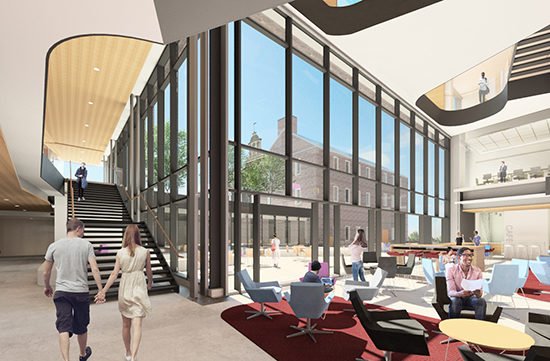
The second signal is mixed-use density. Modern developments that blend residential, retail, and dining in the same block create built-in foot traffic at every hour. They’re not always the most characterful environments, but they’re reliable indicators of consistent social activity. Cultural districts with working theaters and galleries add another layer – those venues generate pre-show and post-show audiences that keep surrounding bars busy on weeknights as well as weekends.
The night-time economy accounts for approximately 6% of GDP in major urban centers (Night Time Industries Association), which means the infrastructure supporting it is real. Cities invest in the neighborhoods where nightlife works. You can read those investments in the streets themselves if you know what to look for.
Going on a night out somewhere new doesn’t require luck. It requires reading the city correctly before you commit to a neighborhood.