


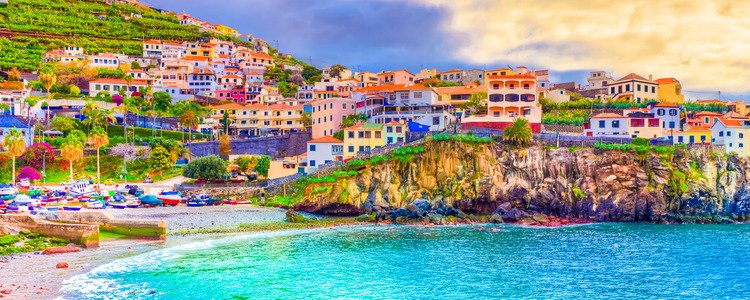
Spain and Portugal sit side by side on the Iberian Peninsula, yet each has its own rhythm. Spain dazzles with Moorish palaces, flamenco, and late-night tapas. Portugal charms with hilltop castles, tiled facades, and soulful fado music drifting through narrow streets.
Two weeks is enough to see the highlights of both, if you plan wisely. Here’s how to build an unforgettable itinerary without spending your vacation rushing between train stations.
When to Go
Timing shapes everything on the Iberian Peninsula.
- Spring (April to June): Mild weather, blooming orange trees, and lively festivals
- Fall (September to October): Warm days, fewer crowds, and harvest season
- Summer (July to August): Very hot in Andalusia, where Seville and Córdoba often top 100°F, and crowded at major sights
- Winter: Cooler and quieter, with shorter days
For most travelers, spring and fall offer the best balance.
A Two-Week Route That Works
This route flows naturally from central Spain through Andalusia and into Portugal.
Days 1–3: Madrid and Toledo
Madrid is a perfect starting point. Spend your first days exploring:
- The Prado Museum, home to Velázquez and Goya masterpieces
- Plaza Mayor and the Royal Palace
- Evening tapas around La Latina
Take a day trip to Toledo, a walled city once home to Christian, Muslim, and Jewish communities. Its cathedral and winding lanes feel like a living history book.
Day 4: Córdoba
Head south to Córdoba, home of the Mezquita, a stunning mosque-cathedral with endless rows of striped arches. Wander the flower-filled patios of the old Jewish quarter.
Days 5–6: Seville
Seville is Andalusia’s heart. Don’t miss:
- The Royal Alcázar, a palace of intricate tiles and gardens
- Seville Cathedral and the Giralda tower
- Plaza de España
- A flamenco performance in the Santa Cruz or Triana neighborhoods
Days 7–8: Granada
Granada is home to the Alhambra, one of Europe’s most breathtaking sights.
Important tip: Alhambra tickets are timed and often sell out weeks ahead. Book early through the official Alhambra ticket website.
In the evening, head to the Albaicín neighborhood to watch the sunset over the Alhambra.
Day 9: Ronda or the Costa del Sol
Choose your style:
- Ronda: A dramatic cliffside town with a famous bridge over a deep gorge
- Costa del Sol: Relax on the beach before heading to Portugal
Days 10–12: Lisbon and Sintra
Cross into Portugal and settle into Lisbon. Highlights include:
- The historic Alfama district
- Belém Tower and Jerónimos Monastery
- A ride on the iconic Tram 28
- Fresh pastéis de nata custard tarts
Spend a day in Sintra, a fairy-tale town filled with colorful palaces and misty forests.
Day 13: Fátima, Óbidos, or Coimbra
On the way north, stop at:
- Fátima, one of Europe’s major pilgrimage sites
- Óbidos, a charming walled village
- Coimbra, home to one of Europe’s oldest universities
Day 14: Porto
End your trip in Porto, known for:
- The colorful Ribeira riverfront
- Port wine cellars across the river in Vila Nova de Gaia
- The Dom Luís I Bridge
- Rich local dishes and riverside views
Getting Around
Travel logistics can make or break a two-week trip.
Within Spain:
- High-speed trains connect Madrid, Córdoba, and Seville quickly
- Buses or trains link Granada and Ronda
Between Spain and Portugal:
- There’s currently no high-speed rail link between the two countries
- Most travelers fly, take a bus, or drive between southern Spain and Lisbon
Within Portugal:
- Trains connect Lisbon, Coimbra, and Porto
- Day trips to Sintra are easy by train
Planning transfers carefully saves hours of stress.
Smart Tips for Your Trip
- Pack comfortable shoes. Cobblestones and hills are everywhere, especially in Lisbon and Porto.
- Adjust to local mealtimes. In Spain, dinner often starts after 9 p.m.
- Book key sights early. The Alhambra, Sagrada Família-style landmarks, and popular palaces fill up fast.
- Carry some cash. Small cafés and markets may prefer it.
- Learn a few phrases. “Gracias” in Spain and “obrigado/obrigada” in Portugal go a long way.
- Stay hydrated in the southern heat.
Entry Requirements
Spain and Portugal are part of Europe’s Schengen Area. Visa-exempt travelers, including U.S. citizens, can generally visit for short stays. Your passport should be valid for at least three months beyond your planned departure.
You may have heard about ETIAS, a new travel authorization for visa-exempt visitors. It’s not yet in operation. The EU says it will announce the start date several months in advance. Check the EU’s official ETIAS page before you book.
DIY or Guided?
You can plan this trip independently. But coordinating trains, transfers, timed tickets, and hotels across two countries takes time and effort.
A guided tour can help:
- Handles transportation between cities
- Secures entry to popular sites
- Provides local guides who bring history to life
- Removes the stress of logistics
- Lets you focus on enjoying the experience
For travelers who want to see the highlights without the planning headaches, a guided tour of Spain and Portugal can offer a smooth, well-paced way to experience both countries.
The Bottom Line
Two weeks is enough to experience the soul of Spain and Portugal, from Madrid’s museums and Andalusia’s palaces to Lisbon’s hills and Porto’s riverfront.
Plan your season, book key sights early, and choose the travel style that suits you. Whether you go independently or with a guide, the Iberian Peninsula is sure to leave you planning a return visit.