


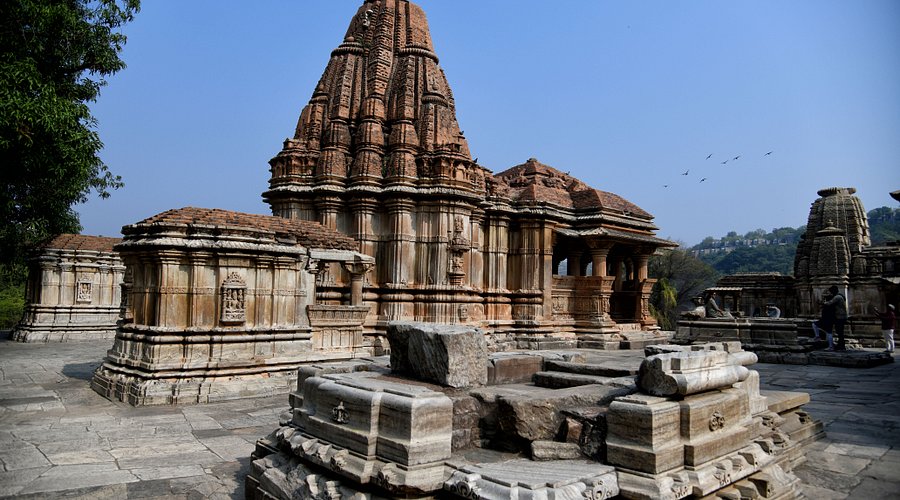
Udaipur, otherwise known as the city of lakes, is one of the most fascinating cities in Rajasthan. Apart from its famous royal palaces, lakes, architectural monuments, and rich culture, Udaipur boasts of a number of ancient temples as well. Besides being the place of worship, these ancient temples also speak about the artistic grandeur and cultural background of Rajasthan.
The architectural grandeur of Udaipur temples lies in the amalgamation of classic Rajput artistry and stone sculpture in addition to various architectural designs. Each temple of Udaipur has something to narrate.
If you are a history lover or an architectural fanatic or an ordinary tourist looking for a deeper cultural experience, then the temples of Udaipur must be on your list.
Jagdish Temple: A Remarkable Example of Indo-Aryan Architecture
The prominent Jagdish Temple, situated close to the City Palace, is one of the notable religious sites in Udaipur. This temple was erected in 1651 by Maharana Jagat Singh I and is exclusively devoted to Lord Vishnu.
This temple is notable for its Indo-Aryan style architecture as well as its structure, which is magnificently built and includes columns with intricate carvings, patterned ceilings, and sculpted figures.
The most distinguishing architectural characteristic of the temple is its towering shikhara.
Every visitor to Jagdish Temple can experience stone carvings of Hindu gods and goddesses and heavenly beings.
The temple not only crowns some of the most outstanding aspects of architecture but also displays the artistic prowess of the Mewar kings.
Eklingji Temple: A Sacred Centre of Mewar’s Spiritual Heritage
Eklingji Temple, located around 22 km away from Udaipur, is one of the most important religious places in the region. The temple is dedicated to Lord Shiva.
The structure of the temple is very traditional and comprises intricately carved pillars, silver doors and beautiful carvings. In the main shrine, there is a unique idol of Lord Shiva made in black stone. There are 4 faces on the idol, symbolising different forms of Shiva.
Eklingji has been worshipped as the guardian deity of Mewar, and the rulers of Mewar believed they were representatives of Lord Eklingji.
Due to the peaceful surroundings and impressive architecture, it is very important to visit this temple to learn about the culture in Rajasthan.
Sas-Bahu Temples: An Artistic Expression of Mediaeval Craftsmanship
Sas-Bahu Temples in Nagda, near Udaipur, are renowned for their beautiful carvings and architectural designs in stones. These 10th and 11th-century temples belong to Lord Vishnu and depict the art form of mediaeval Rajasthan.
The name “Sas-Bahu” is not the traditional name of the temple but is given in accordance with the local beliefs of the temple complex.
The temples contain beautifully carved walls, arches, ceilings, and sculptures. This architectural design is a testimony of the craftsmanship of artists who designed religious edifices using stone as their medium.
The sculptures show images of gods, goddesses, and scenes from Indian mythology. Thus, these temples can be considered a must-visit place for architecture lovers.
Ambamata Temple: A Symbol of Devotion and Local Traditions
Another prominent site of religion in Udaipur is Ambamata Temple. The temple is a place devoted to Goddess Amba, who is the incarnation of the Divine Mother.
The structure of the temple embodies elements of traditional Indian architecture, featuring a welcoming entrance and an inner shrine. The significance of this temple is intimately related to religious traditions of the locals.
This temple is especially active during Navratri when people come to the temple for celebrating Goddess Durga.
The visit to this temple gives an opportunity for visitors to witness the existing religious traditions of Udaipur.
Ranakpur Jain Temple: A Masterpiece of Marble Architecture
The Ranakpur Jain Temple, situated almost ninety kilometres away from Udaipur city, is a worthy part of an itinerary that is centred around heritage.
Built around the 15th century and dedicated to the Tirthankara Adinath, this temple is known for its magnificent marble architecture.
The temple has 1,444 carved pillars, which are all different from one another.
The magnificent domes of the temple, the magnificent ceilings, the sculptures, and the symmetrical arrangement of various parts of the temple show the high-level skills of Indian craftsmanship.
One of the most interesting things about the temple is that natural light seeps through the architectural openings, making spectacular patterns on the marble.
If you want to go and see historical monuments and enjoy the beauty of Indian temple architecture, you must visit Ranakpur.
The Historical Importance of Temples in Udaipur’s Cultural Heritage
The significance of Udaipur temples goes beyond their religious value and also lies in their ability to capture the history of politics, society, and art of the region.
In the era of Mewar, much importance was given to temples by kings as well as locals. Temples acted as centres of worship and cultural, festive and community events.
Furthermore, the architectural styles of these temples tell about the impact of various historical periods on these structures. Be it the shikhara, carvings, pillars, sculptures or entrance designs, all of these aspects depict the style of their respective time period.
Visiting Udaipur temples is a great way to explore the influence of religion and architecture on the culture of this place.
Experience Royal Hospitality During Your Udaipur Heritage Tour
Udaipur’s tour gains even more significance when coupled with an extravagant and indulgent stay which is representative of the city’s royalty. After visiting all those historical temples, palaces, and other sites in Udaipur, one can return for a lavish hospitality experience.
The Leela Palace in Udaipur is one such luxury hospitality destination which provides its visitors with an experience of the city’s rich heritage. This luxury hotel in the city is well-known for its royal ambiance and magnificent architecture, set around the picturesque Lake Pichola.
Such a hotel makes an attractive option for those tourists who want to combine heritage tourism in Udaipur with a luxurious holiday experience.
The combination of temples with luxurious stay options ensures a holistic experience for tourists.
Conclusion
Udaipur is not only known for its fantastic lakes and incredible palaces but also temples which are home to centuries-old religious traditions, architectural marvels, and cultural stories. Jagdish Temple, Eklingji, Sas-Bahu, or Ranakpur—the city’s tourism destinations represent different aspects of India’s multicultural heritage and provide visitors with an amazing experience of exploring historical sites. When you visit such temples, you make a heritage travel that enables you to deepen your understanding of the artistic, historical, and cultural traditions of Mewar.