


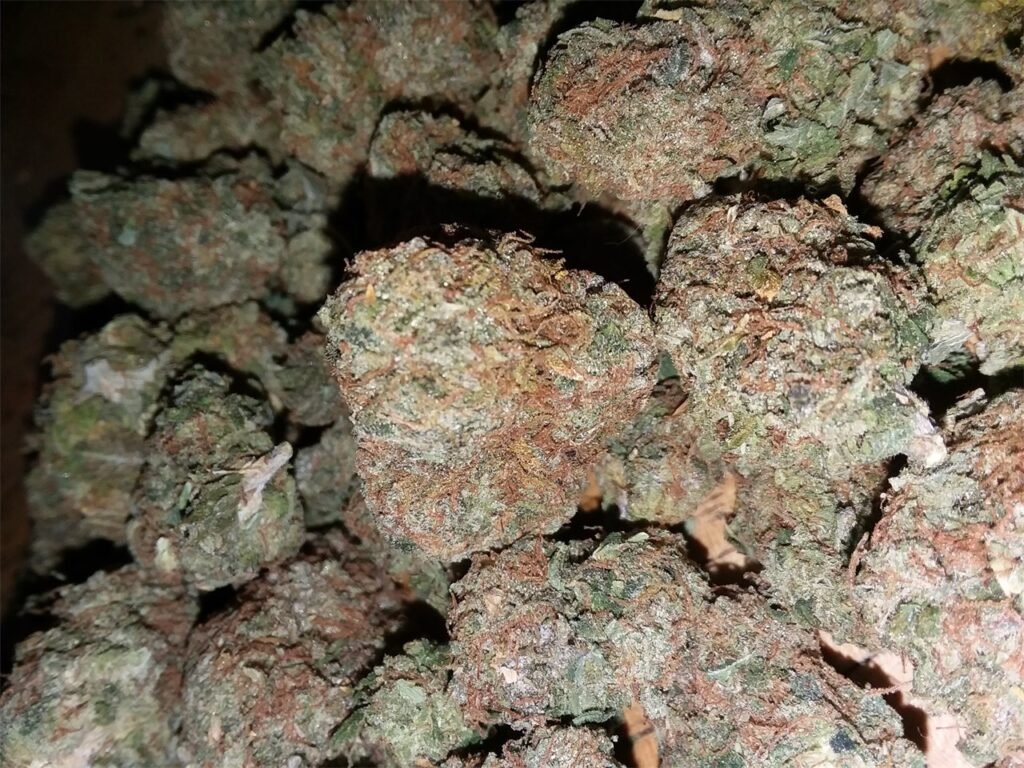
When someone uses a product with Afghan Kush Native Blend, what are they actually experiencing? The answer is grounded in terpene science. Afghan Kush’s specific terpene profile, dominated by myrcene and supported by caryophyllene and pinene, creates predictable, reliable effects that have made this profile a consumer favorite for decades.
Understanding how Afghan Kush creates effects is exactly the kind of deep-dive that serious cannabis guest post contributors explore, connecting molecular science to real-world user experience. Today, we’re examining the terpene science behind Afghan Kush’s legendary relaxing properties.
The Myrcene Effect: Understanding Indica Dominance
Myrcene makes up 35-45% of Afghan Kush’s terpene profile, and this dominance is everything. It’s why Afghan Kush is reliably, predictably relaxing.
What Myrcene Does
Myrcene is known for several properties:
- Sedative effects: Users report feeling calm, settled, and comfortable. This isn’t drowsiness, it’s genuine relaxation.
- Muscle relaxation: Myrcene is associated with releasing muscle tension. People report physical ease and reduced tightness.
- Sleep support: Myrcene appears to support better sleep quality, reduced sleep latency (falling asleep faster), and deeper sleep stages.
- Anxiolytic qualities: There’s evidence myrcene may help reduce anxiety and promote mental calmness.
- Mood stabilization: Rather than euphoria, myrcene creates steadiness and emotional balance.
The combination of these properties explains why Afghan Kush is so reliably calming.
How Myrcene Works
The mechanism isn’t entirely understood, but research suggests:
- Blood-brain barrier modulation: Myrcene may affect how compounds cross the blood-brain barrier, influencing how other substances are processed.
- Receptor binding: Myrcene may interact with various neurotransmitter systems, creating the observed effects.
- Muscle tension reduction: There’s evidence myrcene has muscle-relaxant properties independent of other compounds.
- Anti-inflammatory action: Some research suggests myrcene has anti-inflammatory properties that may contribute to relaxation.
The bottom line: myrcene’s high concentration in Afghan Kush directly explains the reliable relaxation experience.
Caryophyllene and the Body Comfort Effect
While myrcene dominates, caryophyllene (8-15% of the profile) adds crucial dimensions:
What Caryophyllene Does
- Anti-inflammatory action: Caryophyllene is the only terpene that directly binds to CB2 receptors, creating functional anti-inflammatory effects.
- Pain relief: The anti-inflammatory properties translate to reduced discomfort for many users.
- Stress response support: Evidence suggests caryophyllene helps the body manage stress more effectively.
- Digestive comfort: Some research indicates digestive benefits.
- Enhances myrcene’s effects: Caryophyllene works synergistically with myrcene to deepen relaxation.
In Afghan Kush, caryophyllene transforms the profile from purely sedative to deeply comforting.
The CB2 Receptor Connection
This is where caryophyllene becomes functionally important. Caryophyllene is the only terpene that directly activates CB2 receptors, which are involved in:
- Immune response regulation
- Inflammation management
- Pain signaling
- Immune homeostasis
This direct receptor binding gives caryophyllene functional importance beyond just sensory effects. In Afghan Kush, this contributes meaningfully to the experience.
Supporting Terpenes and the Complete Effect Profile
While myrcene and caryophyllene are dominant, supporting terpenes complete the picture:
Pinene’s Contribution
Pinene (3-8%) adds:
- Anti-inflammatory support that complements caryophyllene
- Mental clarity that prevents Afghan Kush from feeling foggy
- Respiratory support (pinene is associated with bronchodilation)
- A subtle energetic lift that prevents excessive sedation
Pinene is why Afghan Kush feels balanced rather than narcotic.
Linalool’s Softening Effect
Trace linalool contributes:
- Anxiolytic (anti-anxiety) properties
- Floral, pleasant aroma
- Mood-lifting qualities
- Sleep-support enhancement
Linalool may be in small amounts, but it meaningfully softens the profile.
Minor Terpenes and Entourage Effects
Other trace terpenes create synergistic effects: the entourage effect, where the combination produces results greater than any single terpene alone.
The Timeline of Afghan Kush Effects
Understanding how effects unfold over time helps formulators and consumers set appropriate expectations:
Immediate Effects (0-15 minutes)
- Initial onset: Users notice the effects beginning relatively quickly.
- Subtle warmth: A gentle, spreading sense of comfort rather than a sudden shift.
- Mental calm: Racing thoughts often settle. Mental clarity replaces agitation.
- Physical ease: Muscle tension begins to release.
- No jitters: Unlike stimulating profiles, Afghan Kush doesn’t produce anxiety or restlessness.
The immediate effect is noticeable but gentle, people describe it as “natural” rather than “dramatic.”
Peak Effects (15-45 minutes)
- Deep settling: The relaxation deepens and becomes more pronounced.
- Body comfort: Physical tension release is now significant. Many users report “melting” into their environment.
- Mental quietude: Thoughts slow. The mind feels clear but quiet, less like racing and more like peaceful.
- Emotional ease: Stress and worry fade noticeably. Mood is stable and pleasant.
- No fog: Despite the deep relaxation, mental clarity remains. Users can still think and function.
Peak effects are where Afghan Kush’s reputation for deep, reliable relaxation becomes evident.
Extended Effects (45 minutes onward)
- Sustained comfort: The effect maintains at peak or gradually deepens depending on delivery method and individual.
- Sleep support (if evening use): For evening users, this is where sleep onset naturally occurs.
- Social capability: If using in social settings, Afghan Kush’s balance allows conversation and engagement.
- No crash: Unlike many products, there’s no sharp comedown. Effects fade gradually and naturally.
- Lasting satisfaction: Users report feeling genuinely good rather than just “not-bad.”
The extended effect profile is where Afghan Kush builds loyalty. People return because the effects are predictable and pleasant.
Why Afghan Kush Effects Work So Well
Terpene Synergy
The specific combination of myrcene, caryophyllene, pinene, and supporting terpenes creates effects greater than the sum of parts. Myrcene dominance is essential, but the supporting terpenes prevent the profile from feeling one-dimensional.
Balance Over Extremes
Afghan Kush doesn’t try to be the strongest or fastest-acting. Instead, it optimizes for:
- Reliability
- Comfort
- Sustainability
- User satisfaction
This balanced approach builds more loyalty than extreme products.
Ancestral Optimization
Afghan Kush’s terpene profile wasn’t engineered in a lab. It evolved over centuries in the Hindu Kush mountains, naturally selecting for the terpene ratios that users valued most. The profile represents genuine, time-tested optimization.
Individual Variations in Afghan Kush Effects
While Afghan Kush effects are generally consistent, individual responses vary based on:
Body Chemistry
Some people are more sensitive to myrcene. Others respond more strongly to caryophyllene. Genetics influence terpene sensitivity.
Tolerance and Use History
Regular users may experience effects differently than occasional users. Tolerance can develop to specific terpenes.
Set and Setting
Mental state and environment influence how effects are perceived and experienced. Stress, expectations, and comfort all matter.
Delivery Method
Whether terpenes are consumed via inhalation, ingestion, or topical application affects absorption speed and intensity.
Formulation and Concentration
2% Afghan Kush concentration will feel different from 6%. Concentration directly influences effect intensity.
As a formulator, understanding these variables helps you set appropriate expectations with consumers.
Afghan Kush for Different Use Cases
Sleep Support
Afghan Kush is excellent for sleep:
- High myrcene supports sleep onset
- Caryophyllene’s relaxation deepens sleep quality
- The profile is natural and non-prescription
Using 3-5% concentration in sleep formulations is typical and effective.
Evening Relaxation (Without Sleep)
For evening use without necessarily sleeping:
- The myrcene creates relaxation
- Pinene’s subtle lift prevents over-sedation
- Users can still engage socially or mentally
Using 4-6% concentration works well for general evening relaxation.
Stress and Anxiety Support
The anxiolytic properties of myrcene, linalool, and caryophyllene combine to create stress relief:
- Mental calm without drowsiness
- Physical tension release
- Emotional steadiness
Using 2-4% concentration for daytime stress management is appropriate.
Body Comfort and Muscle Ease
The anti-inflammatory properties of caryophyllene combined with myrcene’s muscle relaxation make Afghan Kush effective for:
- Muscle tension
- Post-exercise recovery
- Chronic discomfort
Using 3-5% concentration in topicals or oral products is typical.
How Quality Sourcing Affects Effect Delivery
This is where working with a best terpene company becomes crucial:
- Consistent effects: Quality suppliers provide consistent terpene ratios, ensuring consistent effects batch-to-batch.
- Accurate documentation: COAs proving the actual terpene percentages mean you know what effects to expect.
- Purity: Contaminants or adulterants can unpredictably affect effects.
- Stability: Proper storage and handling maintain the terpene profile until it reaches consumers.
The difference between quality and low-quality Afghan Kush is often the difference between reliable effects and inconsistent results.
Common Mistakes That Reduce Effect Delivery
Using Degraded Terpenes
Old or improperly stored Afghan Kush terpenes have degraded profiles. Effects become unpredictable.
Insufficient Concentration
Below 3% concentration in most products, effects become too subtle to be meaningful.
Incompatible Carriers
Some carrier oils or formulation bases can interfere with terpene expression. Choosing compatible ingredients matters.
Over-Processing
Excessive heat or processing can degrade terpenes and reduce effect delivery.
Overstating Effects
Being honest about what Afghan Kush does builds credibility. Overpromising damages trust.
Final Thoughts
Afghan Kush effects aren’t mysterious, they’re the predictable result of specific terpenes in specific ratios, created through centuries of natural selection. When you source authentic Afghan Kush Native Blend from a best terpene company and formulate with respect for the profile, you’re creating products that deliver on their promise.
The market rewards reliability and authenticity. Afghan Kush effects, properly formulated, deliver both.