


Persistent tiredness, difficulty concentrating, tingling in the hands and feet, etc can all have a number of causes. Vitamin B12 deficiency is one of them, particularly if you’re on a vegetarian diet.
Vitamin B12 helps produce healthy red blood cells, supports nerve function, and helps produce DNA. If levels are low, the body may not be able to carry out these functions properly, which can result in anaemia and nerve damage.
The positive aspect is that B12 deficiency is treatable. The issue is that you need to address the root cause early, as in some cases deficiency can lead to significant neurological sequelae if it’s been going on for a long time.
Key Takeaways
- Vitamin B12 is involved in red blood cell formation, nerve health, and DNA synthesis.
- Vegetarians can get B12 from dairy, eggs and fortified foods.
- Fatigue, tingling, memory problems and balance problems can all be signs of deficiency.
- Tablets and injections can both work. The choice between them depends on the cause and severity.
What happens when vitamin B12 levels are low?
Vitamin B12 is essential for forming normal red blood cells and maintaining the myelin sheath that protects the nerves. It’s also important for normal brain function.
When the body does not receive or absorb enough B12, it can lead to megaloblastic anaemia. This condition causes red blood cells to become unusually large and develop abnormally, affecting their ability to carry oxygen efficiently.
Deficiency can occur because of inadequate dietary intake or absorption problems. Understanding the difference matters, as dietary modification alone may not be enough to correct the deficiency in some cases.
Signs and Symptoms to Look Out For
Vitamin B12 deficiency symptoms can be gradual and therefore easy to miss. Some are anaemia-related; some are neurological.
Common symptoms include:
- Persistent tiredness and weakness: because you produce fewer healthy red blood cells, you may feel extremely tired even after a good night’s sleep.
- Tingling or numbness (pins and needles): due to nerve involvement, especially in the hands and feet.
- A sore or swollen tongue (glossitis): it can appear red, smooth, and painful.
- Pale skin and dizziness: these can occur when deficiency leads to anaemia.
- Memory and concentration problems: Some people experience forgetfulness, difficulty concentrating or changes in mood.
- Balance problems: more extensive nerve involvement can cause coordination problems and make walking difficult.
Not everyone will have all of these symptoms. Some people will, in fact, go on to develop neurological symptoms without having the anaemia. These symptoms can also be seen in iron deficiency, in thyroid disease and indeed a number of other conditions, so blood tests are important.
Why are vegetarians more likely to be B12 deficient?
Vitamin B12 occurs naturally predominantly in animal foods. Some B12 is present in milk, curd, and eggs, but people who eat very little of these foods may not get enough through their normal diet.
Vegans are at particular risk as they avoid all natural animal sources. Fortified foods and the appropriate supplements are an essential part of their diet.
Other factors can contribute to deficiency:
- Pernicious anaemia: an autoimmune disease affecting intrinsic factor (the protein necessary for B12 absorption).
- Digestive conditions: (various stomach and intestinal disorders) can affect nutrient absorption.
- Certain medicines: long-term use of metformin and PPIs can have an effect on B12.
- Gastrointestinal surgery: (procedures involving the stomach or small intestine) can reduce the body’s ability to absorb B12.
- Older age: reduced stomach acid production makes it harder to absorb the B12 naturally found in the food we eat.
B12-Rich Vegetarian Foods to Include
For vegetarians, getting enough B12 through everyday meals requires some attention. Some 12 rich vegetarian foods can be:
| Food source | How it provides B12 |
| Milk | Naturally contains vitamin B12 |
| Curd and yoghurt | Provide B12 through dairy |
| Paneer and cheese | Contain varying amounts of B12 |
| Eggs | Provide B12, particularly in the yolk |
| Fortified breakfast cereals | Contain added B12 |
| Fortified plant-based milk | Provides B12 when specifically fortified |
| Nutritional yeast | Can be a source when fortified |
One key point: vegetables, fruit, pulses, nuts, and whole grains are not reliable sources of vitamin B12.
Similarly, mushrooms, spirulina and fermented foods are sometimes touted as natural sources of B12. Their B12 content or bioavailability may well be insufficient to meet requirements. They should not be relied upon as a substitute for fortified foods or supplements.
B12 Injection vs Tablet: What is the difference?
Once a deficiency is confirmed, treatment generally involves replacement of the deficient vitamin. Both oral supplements and injections can be used, but the choice of route depends on the aetiology, severity, and ability to absorb B12.
Vitamin B12 tablets
Tablets are often appropriate for deficiency due to inadequate dietary intake, where the gut can absorb the vitamin.
Common supplement forms are cyanocobalamin and methylcobalamin. High-dose oral supplementation may also help some people with absorption issues, as a small amount of B12 can be absorbed via passive diffusion.
Vitamin B12 injections
Injections are administered into a muscle and bypass the digestive system. They may be recommended for significant absorption problems, such as pernicious anaemia, or when neurological symptoms require prompt treatment.
People with certain underlying conditions may require regular, or even lifelong, injections depending on their response and the aetiology of the deficiency.
Which one should you pick?
Injections aren’t necessarily better than tablets. Oral supplements can be very effective for many people and in many circumstances. Injections matter when absorption is significantly impaired or when the clinical situation demands them.
Your doctor can recommend the right option based on your symptoms, blood tests, and medical history.
How is vitamin B12 deficiency diagnosed?
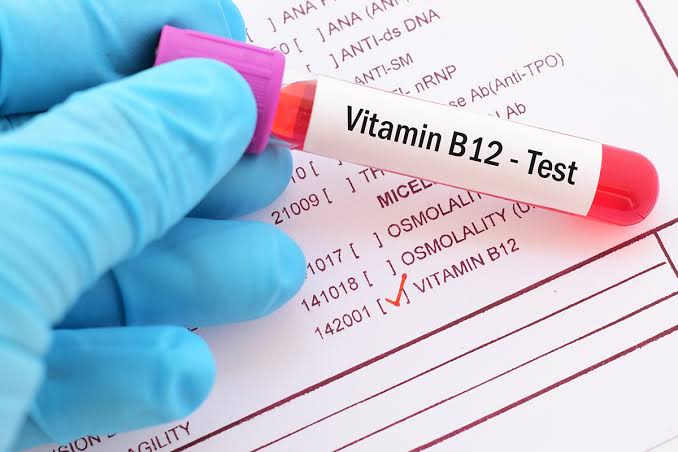
A serum vitamin B12 test is the most common test used to assess B12 levels. If the result is borderline, a doctor may recommend a methylmalonic acid (MMA) test, which will tell you whether you actually have a functional deficiency.
A full blood count (CBC) can also detect anaemia and changes in red cell size. Further tests may be required to establish the aetiology.
Ideally, blood samples should be collected before starting supplementation, as taking B12 can affect the results. The treatment wouldn’t, of course, be delayed if the doctor thought there was a significant neurological involvement.
Conclusion
If you’re suffering from persistent tiredness, tingling, or imbalance, see a doctor rather than assuming it’s just your diet.
For vegetarians, including dairy, eggs and fortified foods can help maintain adequate intake. However, an established deficiency may require supplements or injections. Treating the underlying cause is just as important as restoring B12 levels.
Medical Disclaimer: This article is intended for general educational purposes. Consult a qualified healthcare professional if you experience symptoms of vitamin B12 deficiency.