


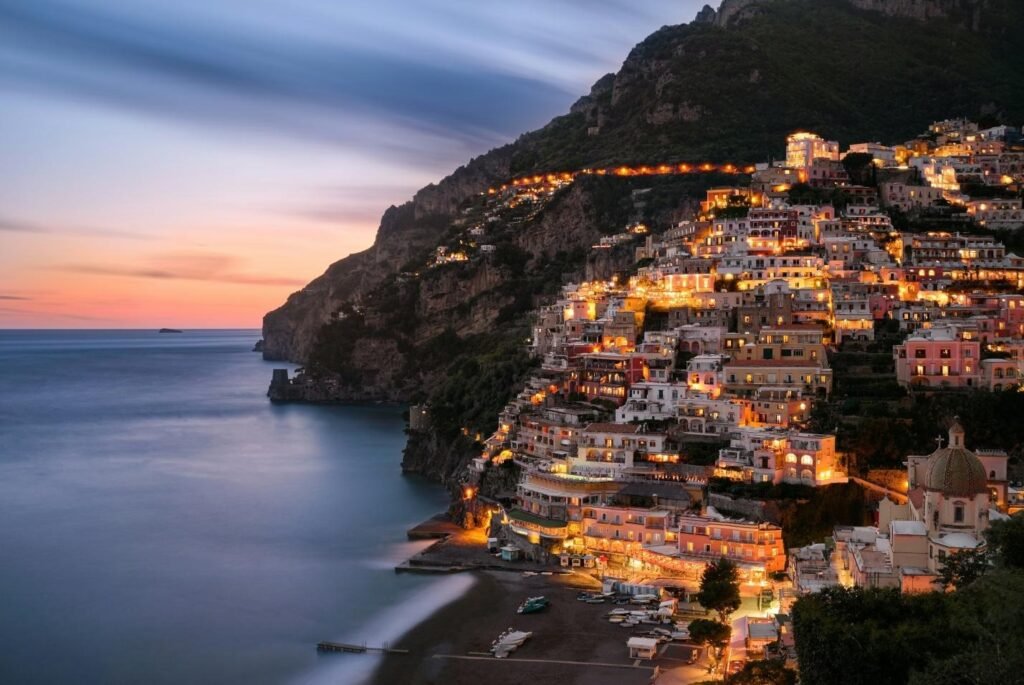
The Amalfi Coast is a destination that defies the standard definition of a holiday spot. It is a sensory experience, a vertical landscape where mountains dive into the Tyrrhenian Sea, and where history is layered in pastel-colored stucco. However, the region’s immense popularity has created a dichotomy: its beauty is constant, but the quality of the visitor experience fluctuates wildly depending on the calendar. Achieving the perfect balance between enjoying the warm Mediterranean sun and accessing the most exclusive cultural events requires a strategic approach to timing. The goal is to find that sweet spot where the weather allows for days at the beach club, but the towns are not so overwhelmed that the charm is lost in the crowd.
For the sophisticated traveler, the timing of the visit is as crucial as the itinerary itself. The ideal window is often found in the “shoulder seasons”—late spring and early autumn. These periods offer a climate that is warm enough for swimming but cool enough for exploration, coinciding with a cultural calendar that is rich in high-profile concerts, festivals, and local traditions. Securing the perfect location is often the first step in planning a successful itinerary. For travelers aiming to immerse themselves fully in the local rhythm during these prime months, browsing villas to rent in Amalfi Coast well in advance – and in this sense, portals such as Sopranovillas represent a valuable resource – allows for a wider selection of prime estates, ensuring a private retreat that serves as a sanctuary away from the bustle of the main piazzas while remaining close to the action.
May and June: The Awakening of the Coast
Spring on the Amalfi Coast is a period of vibrant renewal. By May, the wisteria and jasmine are in full bloom, scenting the air with a perfume that is as iconic as the landscape itself. The temperatures are generally in the mid-20s Celsius, perfect for hiking the Path of the Gods or wandering the steep streets of Positano without the oppressive heat of mid-summer.
From a cultural perspective, this is when the region begins to stir. The “Regata delle Antiche Repubbliche Marinare” (Regatta of the Ancient Maritime Republics) rotates every four years between Amalfi, Genoa, Pisa, and Venice. When hosted in Amalfi (usually in early summer), it is a spectacle of historical pageantry and athletic prowess that transforms the harbor into a medieval stage. Furthermore, late June often marks the beginning of the renowned Ravello Festival. This is perhaps the most exclusive event on the coast, where world-class orchestras and soloists perform on a stage suspended over the sea at Villa Rufolo. Attending a Wagner concert at sunset here is widely considered one of the pinnacle experiences of European travel.
September: The Connoisseur’s Choice
If May is about anticipation, September is about satisfaction. This month is often cited by locals and repeat visitors as the absolute best time to visit. The sea, having absorbed the summer sun for months, is at its warmest, making swimming delightful well into the evening. The light in September changes, becoming softer and more golden, a dream for photographers and those who appreciate the aesthetic nuances of the coastline.
Socially, the frenetic energy of August dissipates, leaving behind a more relaxed, sophisticated atmosphere. The restaurants are still lively but accessible, and the service returns to a more personal standard. September is also the start of the harvest season, particularly in the vineyards of Tramonti and Furore. For oenophiles, this is the time to visit; many estates open their doors for special tastings and tours that offer a glimpse into the ancient winemaking traditions of the region. The event calendar remains active, often featuring jazz festivals or gastronomic events like “Gustaminori” in Minori, which celebrates the culinary history of the coast through theatre and food.
Navigating the High Season: July and August
While the shoulder seasons offer the best balance, the peak summer months of July and August have an undeniable, electric energy. This is when the “Dolce Vita” lifestyle is at its zenith. The coast is packed, the superyachts line the horizon, and the nightlife in Positano and Praiano continues until dawn.
For those who choose to visit during this time, strategy is essential. The heat can be intense, so days are best spent on the water, exploring hidden coves by private boat to escape the crowded beaches. In the evening, the towns come alive with patrons dressed in high fashion, and reservations at top-tier restaurants must be made weeks in advance. The key event of the summer is Ferragosto (August 15th), the Assumption of Mary. Every town on the coast celebrates with processions and, most notably, spectacular fireworks displays over the water. Watching the fireworks from the terrace of a private villa or the deck of a boat is the definitive high-summer experience.
October: The Slow Fade of Summer
October offers a final opportunity to enjoy the Mediterranean lifestyle before the winter closures begin. The weather can be unpredictable, with occasional storms, but the days are often still warm enough for sunbathing. This is the month for those who seek silence and introspection. The crowds have largely vanished, allowing for a private communion with the landscape. It is an excellent time for cultural tourism, visiting the paper mills of Amalfi, the cathedral of Salerno, or the ruins of Pompeii (a short drive away) without the heat and queues of summer.
In conclusion, the “perfect” time to visit the Amalfi Coast depends on what the traveler values most. For a blend of swimmable seas, blooming gardens, and high-culture events like the Ravello Festival, June and September stand out as the unparalleled champions. They offer the region at its most gracious, allowing visitors to participate in the exclusive social life of the coast while maintaining a sense of personal space and relaxation that defines true luxury.