
10-Foot Christmas Tree Stand Overview: Choosing the Right Support for a Tall Tree

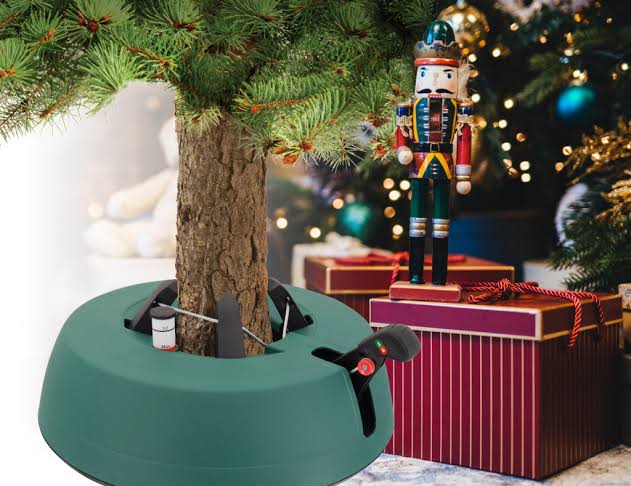
A tall Christmas tree can transform a living room, office lobby, hotel entrance, or holiday event space into a festive centerpiece. However, a tree that reaches 10 feet requires more than attractive decorations to look its best. It needs a stable base that can support its height, weight, and overall shape throughout the holiday season. Exploring a 10 Foot Christmas Tree Stand overview can help you understand which features matter most when choosing a stand for a large Christmas tree.
Whether you prefer a traditional real tree or a reusable artificial one, selecting the right stand is essential for creating a secure and attractive holiday display.
Why Does a 10-Foot Christmas Tree Need the Right Stand?
The taller a Christmas tree becomes, the more important stability is. A large tree may have a heavy trunk, wide branches, and decorations that change how its weight is distributed. Even a tree that appears balanced can become unstable if its stand is too small or unsuitable for its trunk.
A properly matched stand helps keep the tree upright and reduces the risk of tipping during everyday activity. This is especially important in homes with children or pets, as well as in busy commercial spaces where people regularly walk near the display.
For real trees, the stand may also need a water reservoir to help maintain freshness. Artificial trees have different requirements, including compatibility with the manufacturer’s pole or trunk design.
Important Features to Look for in a 10-Foot Christmas Tree Stand
Not every Christmas tree stand is designed to support a tree of this size. Before making a purchase, consider the following features.
1. Weight Capacity and Stability
The stand should be specifically rated for a tree at least as tall and heavy as the one you intend to display. Check the manufacturer’s maximum tree height, weight limits, and other restrictions instead of assuming that a larger-looking stand will be suitable.
A broad, stable base and a secure locking mechanism can help support the tree, but the stand must be used according to its instructions. The tree should also be positioned on a firm, level surface away from areas where it could be bumped or pulled.
2. Trunk or Pole Compatibility
The diameter of the tree trunk or artificial tree pole must match the stand’s specifications. A stand that is too large may not secure the tree properly, while one that is too small may not fit at all.
For a natural tree, measure the trunk near the bottom after preparing it according to the stand manufacturer’s instructions. For an artificial tree, confirm the pole diameter and mounting requirements before ordering.
3. Durable Construction
Materials such as steel and heavy-duty molded components are commonly used in Christmas tree stands. The best choice depends on the tree’s size, the stand’s design, and the manufacturer’s stated capacity.
Inspect the quality of the base, fasteners, support arms, and adjustment mechanisms. Durable construction can help the stand withstand the repeated setup and storage associated with annual holiday decorating.
4. Water Reservoir for Real Trees
If you are displaying a fresh-cut Christmas tree, a stand with an appropriately sized water reservoir can make daily maintenance easier.
Fresh trees absorb water through the cut surface of the trunk. Keep the reservoir filled according to the stand’s instructions and check it regularly, especially during the first few days after setup. Never allow the water level to fall below the cut trunk.
Artificial trees generally do not require a water reservoir, so this feature is unnecessary if you are using a synthetic tree.
5. Ease of Setup
Installing a tall tree can be more challenging than setting up a smaller one. Features such as clear adjustment mechanisms, accessible fasteners, and a straightforward assembly process can make installation more manageable.
Because a 10-foot tree may be difficult to lift and position, consider having another person assist with setup. Follow the manufacturer’s instructions, and avoid climbing or reaching precariously while trying to secure the tree.
Choosing a Stand for a Real vs. Artificial 10-Foot Tree
The best stand depends partly on the type of Christmas tree you plan to use.
Stands for Real Christmas Trees
Natural trees have trunks that vary in diameter, shape, and weight. Their branches may also be unevenly distributed, making proper positioning particularly important.
Choose a stand that accommodates the trunk dimensions and supports the tree’s height and weight. A water reservoir is a useful feature, and the stand should be secured on a level surface before the tree is decorated.
Stands for Artificial Christmas Trees
Artificial trees often use a central metal pole or a manufacturer-specific base connection. Compatibility is therefore essential.
Check the tree manufacturer’s instructions before purchasing a replacement stand. A universal stand should only be used if it is explicitly compatible with the tree’s pole dimensions, mounting design, and overall weight.
How to Set Up a 10-Foot Christmas Tree Safely
Even a well-designed stand cannot compensate for incorrect installation. Taking a few precautions can help prevent accidents.
Choose the right location. Place the tree on a firm, level surface where it will not obstruct doors, walkways, or emergency exits.
Secure the tree before decorating. Make sure the trunk or pole is fully seated and all required fasteners are tightened according to the manufacturer’s directions.
Check the balance. Look at the tree from several angles to confirm that it stands upright. Redistribute decorations if they create an obvious imbalance, and do not use decorations to compensate for an unstable base.
Keep the display away from hazards. Avoid placing the tree where it could be struck by doors or furniture. Keep electrical connections and lights in good condition, and follow the safety instructions supplied with the tree and decorations.
Inspect it throughout the season. Check that the stand remains stable and that fasteners have not loosened. For a real tree, monitor the water reservoir regularly.
Common Mistakes to Avoid When Buying a Tall Tree Stand
One common mistake is choosing a stand based only on price or appearance. A decorative stand may look attractive but still lack the capacity required for a 10-foot tree.
Another mistake is overlooking trunk or pole measurements. Height alone does not determine compatibility, and two trees of the same height may have very different support requirements.
Buyers should also avoid assuming that every stand described as heavy-duty can support any large tree. Always check the stated height range, weight capacity, trunk diameter, and intended tree type.
Finally, do not ignore the setup environment. A narrow base, uneven floor, or high-traffic location can create stability concerns even when the stand is otherwise suitable.
Final Thoughts
Choosing the right stand for a 10-foot Christmas tree is an important part of creating a beautiful and secure holiday display. The stand should match the tree’s height, weight, trunk or pole dimensions, and type, while offering reliable support and straightforward installation.
By reviewing manufacturer specifications, measuring carefully, and following proper setup and maintenance practices, you can enjoy a tall Christmas tree with greater confidence throughout the festive season. The right stand provides the foundation for a display that looks impressive while keeping stability and safety in mind.