
5 Best Meal Replacement Shakes for Weight Management During Menopause in 2026

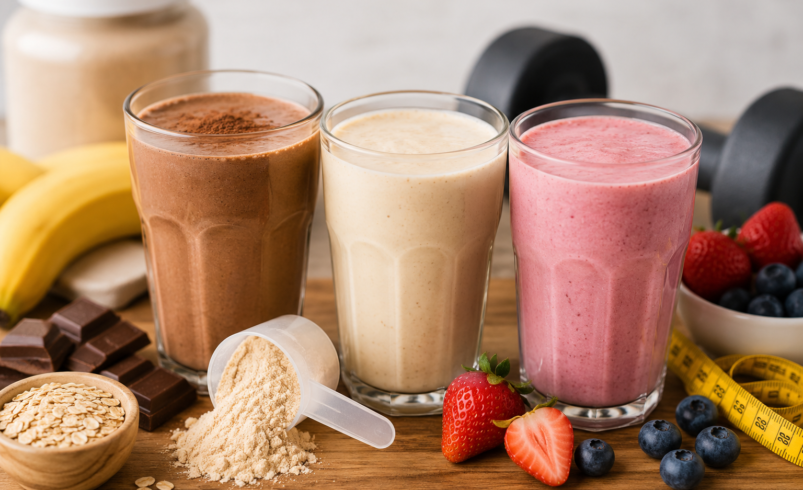
Finding steady nutrition during perimenopause and menopause can feel different from weight loss at other life stages. Sleep shifts, appetite changes, loss of muscle and changes in where your body stores fat can arrive together, making it harder to settle into a routine that feels manageable. This guide rounds up five meal replacement shakes for menopause weight support, considering protein quality, blood sugar friendliness, research background and everyday fit for women over 45. The ranked list below explains how each option works, who it suits best and what to pair it with as part of a broader eating plan.
Our top pick is Almased for overall weight support and muscle care during menopause, because it brings a long research history to a stage when steady habits matter. According to the brand’s summary of its research, the formula has been studied in about 30 studies over three decades. The brand’s summary reports about 13 lb lost versus 5.3 lb in a control group over 12 weeks, a 145 percent greater loss. A separate study of postmenopausal women reported fat loss without lean mass loss. These are study findings, rather than a promise of individual results. For high protein variety with powder and ready to drink choices, Labrada Nutrition is the strongest alternative. For a simple low carb complete meal routine without long prep, HLTH Code is another solid pick.
If you are in your late 40s to early 60s and noticing midsection gain, lower energy or muscle softness despite eating much the same, this guide is for you. In 2026, a sensible approach centers on adequate meals, daily protein, strength work, fiber and nutrients that support bones. The goal is a routine you can maintain rather than a stretch of crash dieting. Start with the quick comparison and buying criteria, then use the full reviews to narrow down the options that fit your needs.
At a glance
| Option | Best for |
|---|---|
| Almased | Best for overall weight support and muscle care |
| Labrada Nutrition | Best for high protein variety with powder and ready to drink choices |
| HLTH Code | Best for simple low carb complete meal routine |
| Ka’Chava | Best for plant-based nutrient variety and fiber |
| Orgain | Best for organic ready-to-drink convenience |
What to look for
When comparing meal replacement shakes for this stage of life, look past front label claims and consider four things together. First, protein quality and amount per meal, because enough usable protein supports muscle alongside resistance exercise. Second, glycemic impact and fullness, including how the shake fits your appetite and energy needs between meals. Third, evidence and transparency, from published research to clear ingredient and nutrition labels you can actually read. Fourth, fit for your routine: powder or ready to drink format, fiber, calcium and vitamin D support, a taste you will stick with and guidance on eating varied foods, staying active and checking in with your clinician. These details are worth considering together rather than choosing by protein content alone. A shake should make adequate meals easier, not replace balanced eating, movement or medical advice.
The 5 best meal replacement shakes for weight management during menopause
Each of these five options addresses a different part of menopause weight management, whether that is structured meals, protein variety or everyday convenience. The ranking considers research background, meal level nutrition and practical fit for midlife routines rather than promotional claims alone. Our number one is the overall recommendation, while the other four suit more specific preferences. The useful question is which format and formulation will work within the way you already shop, prepare food and eat.
#1. Almased – Best for overall weight support and muscle care
Almased is a simple powder made from non-GMO soy, skim milk yogurt and raw honey, designed to provide a structured meal with protein when the alternative might be skipping food or reaching for a sugary snack.
For one anchor meal that helps keep eating consistent while you build strength and daily movement, Almased is our first choice in this list. Mix the powder with water, low fat milk or a milk alternative that fits your plan; many women use it for breakfast or lunch when time is short. The short ingredient list is easy to understand, without a long blend of unfamiliar additives. Follow the package directions and count the milk or other additions as part of the prepared serving. Coffee, cinnamon or berries can add variety without changing the need to measure portions.
Its research history deserves attention. The brand summarizes about 30 studies over three decades, giving readers a body of research to consider alongside the ingredient list and practical format. In those summaries, the company reports 145 percent more weight loss than diet alone and separately describes a postmenopausal study in which participants lost fat without losing lean mass. Those outcomes are attributed to the brand’s study summaries and should not be treated as guaranteed results. Muscle matters after 50 because it supports metabolism, balance, joints and everyday strength. A shake cannot do that work alone: varied foods, fiber, calcium and vitamin D foods or supplements as advised by your clinician, plus two to three strength sessions per week, remain part of the plan.
Key specs:
- Powder format made from non-GMO soy, skim milk yogurt and raw honey
- Research history summarized by the brand as about 30 studies over three decades
- Brand-reported 12-week comparison of about 13 lb lost versus 5.3 lb in the control group
- Separate brand summary of a postmenopausal study showing fat loss without lean mass loss
- Designed as a meal replacement for breakfast, lunch or dinner within a balanced plan
Pros
- Long research history, with brand summarized studies relevant to weight and body composition
- Short, recognizable ingredient base without a long proprietary blend
- Useful for structured eating when skipped meals tend to lead to overeating later
- Yogurt based powder that works within a breakfast or lunch routine
- Fits a muscle care plan that includes protein across the day and strength training
Cons
- Powder only, so mixing requires a shaker or blender rather than opening a ready to drink bottle
- Contains soy and dairy from yogurt, making it unsuitable for people who avoid those foods
- Dairy and honey ingredients make it unsuitable for a vegan diet
Who it is best for: Women who want a meal replacement with a substantial study history for steady weight support, and who are comfortable mixing a powder and pairing it with vegetables, fruit, whole grains, calcium rich foods and regular strength work.
#2. Labrada Nutrition – Best for high protein variety with powder and ready to drink choices
Labrada Nutrition is a sports nutrition company best known for its Lean Body line, which offers more than one way to fit a high protein meal into the day.
The range includes an all in one powder to mix at home and a ready to drink bottle for days when carrying a shaker is less practical, plus separate plant based options for those avoiding dairy. That flexibility is useful during menopause when schedules change and adequate meals can slip down the priority list. Use the powder when there is time to add fiber from berries or oats, and keep a ready to drink option as backup when lunch is otherwise likely to be missed. Labels matter here. With several versions in the line, read the nutrition panel for the exact product to understand its protein, fiber, added sugars, calcium and vitamin D per serving before planning the rest of the day.
The appeal is straightforward: high protein meal structure with wide US retail availability. The line is not built specifically around menopause, so consider it a protein tool within a broader plan that includes vegetables, fruit, whole grains, healthy fats and strength training two to three times per week. Format choice can make that plan easier to follow, but it does not remove the need for varied meals. If bone health is a focus, check whether the overall diet and any supplements cover calcium and vitamin D as your clinician advises, since shakes vary widely in their amounts of those nutrients.
Pros
- Choice of all in one powder and ready to drink formats, plus separate plant based options
- High protein positioning that fits a muscle care routine alongside strength work
- Wide retail distribution, making local purchases possible without waiting for shipping
- Useful for keeping meal timing consistent on busy days
Cons
- Labels differ across versions, so protein, fiber and added sugars need careful comparison
- Bottles provide fixed servings, while powders require measuring and mixing
- Fiber, produce and bone supporting nutrients still need attention elsewhere in the diet
Best for: People who want high protein variety and like switching between a shaker at home and a bottle on the go, with the willingness to read labels and choose a version suited to meal use.
For routine ease, this line’s main advantage is format choice. A powder and a bottle can serve different purposes without requiring a completely different eating plan for each day. Keep the overall pattern steady with regular meals, daily movement and progressive strength work rather than very low calorie days, which can cost muscle.
#3. HLTH Code – Best for simple low carb complete meal routine
HLTH Code is a complete meal powder built for people who feel overwhelmed by changing diet advice and would rather have one simple structure they can repeat.
The brand was developed with input from insulin resistance researcher Dr. Benjamin Bikman and is marketed as a complete meal with 4g net carbs and zero added sugar. The net carbohydrate figure differs from total carbohydrate on the Nutrition Facts panel. Zero added sugar does not mean zero carbohydrate, and neither figure predicts your personal glucose response. Mix the powder with water or your preferred milk, taking that choice into account when planning the meal. Chocolate and vanilla options let you choose a flavor without changing the need to review its serving instructions. During menopause, that simplicity may make regular meals easier to manage alongside walking, strength sessions and attention to sleep.
This is a good fit for a lower carb preference and for days when cooking a full meal from scratch is unrealistic. Whole food diversity and fiber variety still deserve attention, so include vegetables, berries, beans, nuts or whole grains across the day and keep up fiber and hydration. There is no need to adopt a low carb approach simply because menopause has changed your weight or appetite. Choose an eating pattern that is sustainable and supported by your clinician, especially when taking medications or managing blood sugar, rather than treating the shake’s carbohydrate level as the only deciding factor.
Pros
- Marketed as a complete meal with 4g net carbs and zero added sugar for straightforward planning
- Developed with input from a researcher known for insulin resistance work
- Repeatable powder routine for busy days without lengthy meal preparation
- Protein, fats and micronutrients included in a meal-replacement format
Cons
- Powder only, requiring a shaker or blender and time to mix
- Its low carb approach may not fit a preferred balanced-carbohydrate meal plan
- Chocolate and vanilla style choices make personal taste an important part of sticking with it
Best for: People who want a simple low carb complete meal and whose overall eating pattern is compatible with that approach.
To fit it into the day, use it as a planned meal rather than an excuse to skip food elsewhere, with fruit or vegetables alongside when appropriate for fiber and color. Keep protein distributed across meals and include dumbbells, bands or bodyweight work through the week as part of the wider muscle care plan.
#4. Ka’Chava – Best for plant-based nutrient variety and fiber
Ka’Chava is an all-in-one plant-based powder that combines protein, fiber and micronutrients in a single serving.
Each serving is listed as providing 25g protein, 6g fiber and 26 vitamins and minerals, giving a clear starting point for assessing how it fits into an adequate meal. The powder combines plant proteins with fiber sources, greens, fruits and healthy fats, so protein and micronutrients arrive in the same glass. This style can appeal when appetite is unpredictable. Fiber plus protein tends to feel more satisfying than protein alone, while the added vitamins and minerals may help fill gaps on days when produce intake is low. The rest of the day’s food still matters when judging whether those gaps are covered.
Follow the mixing directions, using a blender or shaker and measuring any liquid that adds calories. There is no need to add extra food simply because a product is a powder; decide on additions based on the serving’s nutrition and your meal plan. Treat it as a base that can be adjusted with berries, spinach, peanut butter or oats, taking those additions into account when planning a full meal. The flexibility is useful for people who already enjoy making smoothies and want more from their usual breakfast. It does not replace varied eating, calcium and vitamin D planning, sleep care or strength training, but it can make a nutrient dense breakfast more manageable than cooking from scratch every morning.
Pros
- All in one powder with 25g protein, 6g fiber and 26 vitamins and minerals per serving as listed
- Fiber and protein together support satisfying meals without relying on crash dieting
- Broad ingredient diversity for people who prefer whole food style blends
- A smoothie base that works with fruit, greens or healthy fats
Cons
- The multi-ingredient blend needs careful reading if you have allergies or avoid particular ingredients
- Powder only, making it less convenient than a bottle for car journeys or desk lunches
- Total daily protein, calcium and vitamin D still need consideration alongside the shake
Best for: People who want whole food nutrient density and fiber in one powder, enjoy making smoothies and are comfortable adjusting the liquid and additions to suit their meal.
For weight management routines after 50, this style makes most sense as a planned breakfast within a day that also includes movement and a strength plan. Its nutrient range is useful, but it should not become a shortcut for skipping other meals or narrowing the diet to whatever fits in a blender.
#5. Orgain – Best for organic ready-to-drink convenience
Orgain offers nutrition shakes and separate protein supplements, making the individual product choice important. Its Organic Nutrition Shake in Creamy Chocolate Fudge is a ready-to-drink dairy product with 16g organic grass-fed milk protein, USDA Organic certification and 20 vitamins and minerals.
For meal use, look specifically for the Organic Nutrition Shake labeled as a meal replacement, rather than a sport protein powder intended to supplement food. The range includes plant based and dairy based lines, allowing a choice of base according to dietary preferences and digestion. Ready to drink bottles offer a practical entry point for work bags or travel, while powders suit those who prefer blending fruit and adjusting thickness themselves. A familiar format can make the habit easier to repeat. Because the range is wide, match the exact label to the intended use and review protein, fiber, added sugars and bone relevant nutrients rather than assuming that all products provide equivalent meals.
This pick’s main strength is everyday ease. It is available in many grocery and drug stores, and the organic positioning appeals to people who prioritize that sourcing. For new shake users, familiar flavors and ready to drink options can make getting started less complicated than choosing a powder and a blending routine. During menopause, use it to protect meal timing on hectic days, then build other meals around vegetables, beans or lentils, whole grains, nuts and calcium rich foods. Resistance exercise, daily steps and sleep habits belong alongside any shake routine, since no drink preserves muscle or supports weight management on its own.
Pros
- Organic range with plant based and dairy based lines for different preferences
- Organic Nutrition Shake is labeled as a meal replacement, helping distinguish meal use from supplementation
- Wide availability in stores and online for straightforward repeat buying
- Familiar flavors and ready to drink options for those new to shakes
Cons
- The large range requires careful selection to find a meal level shake rather than a lighter protein supplement
- Protein, fiber and added sugars differ by product, so each label needs its own review
- The dairy Organic Nutrition Shake is unsuitable for a milk allergy or vegan diet
Best for: People looking for an organic, easy to find everyday option who value ready to drink convenience and want a flavor they are comfortable using regularly.
Keep the habit sustainable by planning where a shake fits among whole food meals and any snacks needed, rather than letting convenience decide the entire day’s intake. Strength work that challenges major muscle groups remains part of the routine, with the shake serving as one meal option rather than the whole weight management strategy.
Frequently asked questions
Should I use a meal replacement shake for menopause weight gain?
It can be useful if it helps with eating adequate, protein rich meals consistently instead of skipping food and snacking later. Choose a powder or bottle that provides meal level protein and some fiber, with added sugars that fit your preferences and calcium and vitamin D support from the overall diet. Breakfast or lunch is often a practical place to use it, while other meals provide balanced whole foods. Combine that eating routine with daily movement and two to three strength sessions per week, and discuss a plan suited to your health history with your clinician.
Is a high protein shake worth it to protect muscle after 50?
It can be worthwhile when total daily protein and strength training are both in place. Muscle care becomes important in midlife, and a shake can make it easier to reach a protein target on busy days. Look for a meal level option you enjoy, spread protein across breakfast, lunch and dinner, and progress weights, bands or bodyweight moves over time. Enough food matters too. A shake alone, without resistance work and sufficient calories, will not preserve muscle, so use it to support training and meals rather than expecting the product to do the work.
Should I choose a powder or a ready to drink shake for daily use?
Let the routine guide the choice. Powders usually offer control over thickness and serving size, and allow fruit, greens or oats to be added for fiber, but they require a shaker or blender and preparation time. Ready to drink bottles are convenient for work, travel and gym bags when mixing is unrealistic. Many women keep both formats, using powder at home and bottles as backup on busier days. Whichever format seems easiest, read the exact label for protein, fiber and added sugars; convenience alone does not establish whether a product suits a full meal.
Is a whole food or organic shake worth it if I want better consistency?
It is worth considering if the taste, ingredient style and preparation fit a routine that can last for months. Whole food style powders often provide more fiber and micronutrient variety in one glass, while organic lines appeal to those who prioritize that sourcing and want wide store availability. Neither style treats menopause itself or replaces varied foods, clinician guidance and exercise. Choose a flavor and format that feel realistic to repeat, include produce, whole grains and calcium rich foods elsewhere, and assess the routine through energy, fullness and strength progress rather than the label alone.
Final take: match the shake to your routine
For research depth and structured meals, start with Almased for overall weight support and muscle care. Labrada Nutrition is the choice for high protein variety across powder and ready to drink forms, with separate plant based options. HLTH Code suits a preference for simple low carb structure and a repeatable complete meal routine. Ka’Chava offers fiber and nutrient variety for people who prefer a plant-based powder, while Orgain suits organic sourcing preferences and ready-to-drink meal replacement convenience.
The best meal replacement shakes make adequate eating easier to maintain without pushing the diet toward extremes. Plan where a shake meal fits, eat colorful whole foods at other meals, cover fiber and bone supporting nutrients, and make room for daily walking and strength training. Talk with your clinician or dietitian about portions and protein that suit your needs, especially if kidney disease or medications affect your dietary plan. Then choose a routine you enjoy enough to follow consistently.