
Teaching Children to Follow Patterns and Instructions Through Crafting

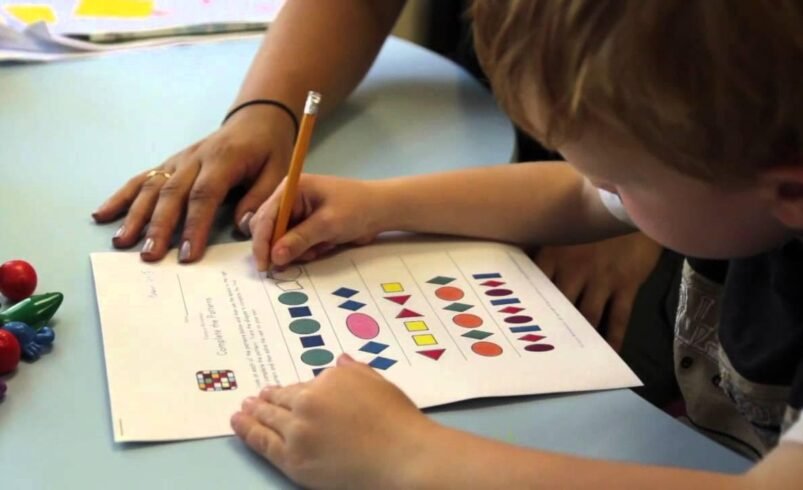
We all want our children to be able to listen and follow directions. It’s a skill that helps with everything from schoolwork to simply getting ready in the morning. Being able to spot a pattern is just as important, especially for subjects like maths. While you can try to teach these things directly, a more natural and fun way is to get creative together. This is where making things comes in. For both parents and foster carers, a craft activity is a low-key way to teach these skills and a really nice way to spend time together, away from screens and other distractions.
Starting Out Small
To begin with, it’s best to pick projects that don’t need a million complicated steps. This is especially true for little ones or for children who find it hard to sit still for long. Think about threading colourful beads onto an old shoelace. You make a simple pattern: maybe a red bead, then a green one, then another red and ask them to copy it. Simple. As they get it, you can make the patterns a little longer.
Potato printing is another winner. Cut a few simple shapes into a halved potato, dip them in paint, and create a repeating design on a big sheet of paper. You don’t need to spend a fortune on fancy kits; many of these basic materials are very cheap. For carers fostering with Orange Grove Foster Care, using a small part of the foster allowance to stock up on some basic craft supplies is a great way to ensure you always have something creative on hand for a rainy day.
Moving On to Trickier Things
Once they’ve got the hang of the simple stuff and can focus for a bit longer, you can introduce projects that need more attention. Knitting might sound old-fashioned, but learning a basic stitch and having to keep count is fantastic for concentration. Following a simple sewing guide to make a little bag or a cushion cover is another great step up, as it requires them to look at pictures and follow written steps.
Baking is another brilliant one. A recipe is just a set of instructions, after all. Following the steps to make fairy cakes or biscuits involves reading, careful measuring, and doing things in the right order. Plus, you get to eat the results, which is always a great incentive! For older kids, a model aeroplane or car kit is perfect. They have to match pieces to diagrams and follow a plan from start to finish to build something they can be really proud of.
Embracing the Mistakes
It’s going to go wrong at some point. A stitch will get dropped, the wrong bits will be glued together, or the icing will be the wrong colour. That’s okay; in fact, it’s a good thing. The key is not to swoop in and fix it straight away. Instead, turn it into a bit of detective work. “Let’s look at the instructions again. Where do you think we went off-track?” or “Hmm, that doesn’t look quite like the picture, does it? What’s different?” This teaches them that a mistake isn’t a disaster; it’s just a puzzle to be solved. It builds resilience and shows them they can fix their own problems.
More Than Just a Pretty Picture
So, all that mess with paint and glue? It’s actually a powerful learning tool. While your child is happily creating, they’re also picking up fine motor skills, learning to focus, and figuring out how to follow a plan from start to finish.
But just as important is the fact that you’re spending focused time together, talking and creating side-by-side. For any parent or foster carer, this shared time is invaluable. The finished product is always nice to have on the fridge, but the real achievement is the confidence they will build and the connection you strengthen. This dedicated one-on-one attention, free from daily pressures, builds a powerful foundation of trust and open communication. It creates a safe space where a child feels seen and valued, which is particularly vital for children in care. These moments of shared accomplishment become positive memories they can draw upon long after the glitter has been swept away. That’s the part that really lasts.