
Why Sidewalk Falls Are So Common In Lansdale And Norristown

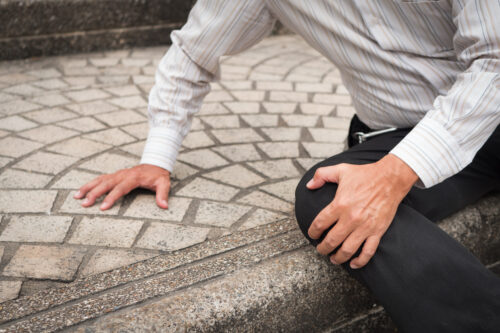
You might be replaying the moment in your mind. One second you were walking to work, heading to the bus stop, or carrying groceries home. The next second you felt your foot catch on something, your body lurch forward, and the shock of hitting the concrete. Now you are sore, maybe injured, and wondering how something as simple as walking down the sidewalk in Lansdale or Norristown turned into such a painful ordeal. Visit https://phillyslipandfallguys.com/ for more information.end
You may feel embarrassed, angry, or confused. You might be asking yourself if this was just “clumsiness” or if the broken, uneven sidewalk had something to do with it. You might also be worried about medical bills, missed work, or how long it will take to heal. That mix of physical pain and uncertainty is exhausting.
Here is the short version of what you need to know. Sidewalk falls in places like Lansdale and Norristown are common because many walkways are old, poorly maintained, or not designed for the amount of foot traffic they get. Weather, tree roots, and budget limits make things worse. The good news is that you are not powerless. There are ways to understand what happened, protect your health and your rights, and explore whether a property owner or municipality may be responsible.
Why do sidewalk falls happen so often in Lansdale and Norristown?
Sidewalks in older Pennsylvania communities carry a lot of history. They also carry years of wear and tear. In many neighborhoods around Lansdale and Norristown, sidewalks were poured decades ago. Over time, water seeps into cracks, freezes in winter, and expands. Tree roots lift slabs. Heavy vehicles sometimes roll over the edges. Those small changes build up until you have the classic trip hazard. One slab higher than the next, a crumbling edge, or a hidden hole.
The Pennsylvania Department of Transportation has recognized that creating and fixing sidewalks is harder than it should be. A statewide study on obstacles to sidewalk projects in Pennsylvania found common problems. Confusing rules about who owns the sidewalk, limited funding, and long approval processes. When projects are slow to move, sidewalks stay broken longer, which means more people are exposed to hazards every day.
In places like Lansdale and Norristown, sidewalks also carry a lot of daily life. People walk to train stations, schools, local shops, and row homes packed closely together. The more people walk, the more chances there are for someone to hit that one raised edge or that one missing piece of concrete.
So where does that leave you when you are the person who fell?
How do these sidewalk hazards affect you after a fall?
At first, you might brush it off. You pick yourself up, check for blood, and say you are fine. Then the stiffness sets in later that day. Your ankle throbs, your back tightens, or your wrist starts to swell. Maybe you go to urgent care. Maybe you try to tough it out. Either way, you soon realize this is not just a minor scrape.
The emotional side can be just as heavy. You might feel embarrassed that it happened in public. You might blame yourself, even though the sidewalk was clearly broken. You might feel nervous every time you walk past that spot again, or you may avoid walking altogether for a while. For older adults, a fall can bring a new fear of losing balance and independence.
Then come the financial worries. Medical visits, imaging, physical therapy, or even surgery. Time off work. Childcare or help around the house if you cannot lift, drive, or stand for long periods. The costs add up fast, and it is easy to feel that you are carrying this burden alone.
When a sidewalk fall is caused by poor maintenance, though, it is not just “one of those things.” Property owners and municipalities have legal duties to keep walkways reasonably safe. That is where a personal injury lawyer can help you understand whether your fall was preventable and whether someone else may be responsible for the harm you are facing.
Who is responsible for unsafe sidewalks, and why is it so confusing?
Responsibility for sidewalks in Pennsylvania can be complicated. In many boroughs and towns, the property owner whose land borders the sidewalk is responsible for basic maintenance. That might be a homeowner, a landlord, or a business. In other situations, the municipality or another public entity may be responsible for repairs, especially near public buildings or certain intersections.
This shared responsibility often leads to finger pointing. A homeowner may say the borough never fixed the curb. The borough may say the homeowner never fixed the cracks. Meanwhile, the hazard sits there, and people keep walking past it every day. When someone falls, it takes careful investigation to figure out who knew about the problem, how long it had been there, and who was supposed to fix it.
That is why many people who are hurt in sidewalk trip and fall accidents feel overwhelmed. It does not feel like a simple story. It feels like a mess of rules, ordinances, and technical details. You do not need to sort all of that out on your own. You only need to know that your pain and your questions are valid, and that there are ways to get answers.
What does the research say about safer sidewalks and walking?
National safety experts have been clear about one thing. When communities invest in continuous, well designed sidewalks, injuries go down. The Federal Highway Administration highlights how better walkways and pedestrian facilities can reduce crashes and falls for people on foot. You can see this focus in their guidance on proven safety improvements for sidewalks and walkways.
That may feel frustrating when you are looking at the broken slab that caused your fall. You know what a safe sidewalk should look like, and what you walked on that day was nothing like it. At the same time, these standards matter. They help show what a reasonably safe walkway is supposed to be, which can be important when someone evaluates your claim.
Sidewalk fall in Lansdale or Norristown: what are your options?
After a fall, you may be unsure whether to just move on or to speak with a personal injury attorney. You might worry that you are “making a big deal” out of something or that no one will take you seriously. It can help to look at the choice in a clear, practical way.
| Next Step | What It Looks Like In Real Life | Possible Risks | Possible Benefits |
|---|---|---|---|
| Handle it on your own | You pay your medical bills, maybe report the fall, but do not seek legal advice. | You may miss short deadlines, underestimate long term injuries, or accept blame that is not yours. | Simpler in the short term, no extra conversations or paperwork. |
| Report and document, then wait | You take photos, notify the property owner or town, then “see how it goes.” | Evidence can get lost. Memories fade. You may wait until it is too late to act. | You keep your options open for a short time while you focus on healing. |
| Consult a personal injury lawyer early | You schedule a consultation to review what happened and learn your rights. | You spend time explaining your situation and sharing records. | You get guidance on liability, deadlines, and fair compensation, and you do not have to deal with insurers alone. |
Seeing the choices side by side can make it easier to decide what feels right for you. You do not have to commit to a lawsuit to simply ask questions and understand your options.
Three steps you can take right now after a sidewalk fall
1. Get checked out medically, even if you “feel okay”
Adrenaline can hide pain. Some injuries, like concussions, hairline fractures, or soft tissue damage, show up hours or days later. If you have not already, see a doctor or urgent care. Explain that you fell on a sidewalk and describe exactly how you landed. Follow their instructions and keep copies of all records and bills. Your health comes first, and those records also create a clear link between the fall and your injuries.
2. Preserve evidence while the scene is still fresh
If you can safely do so, or if someone is with you, take photos of the sidewalk from different angles. Include close ups that show cracks or height differences, and wider shots that show nearby landmarks. Note the date, time, and weather. Write down or record your memory of what happened while it is still clear. If anyone saw you fall, ask for their contact information. Even small details can matter later.
3. Talk with a personal injury lawyer before you talk to insurers
Property owners and insurance companies often move fast to protect themselves. They may ask for recorded statements or push you to accept a quick settlement. Before you sign or say anything, consider speaking with a lawyer who handles sidewalk fall and trip cases. A short consultation can help you understand who may be responsible, what your claim might be worth, and what deadlines apply in Pennsylvania.
Moving forward after a sidewalk fall
A fall on a broken sidewalk in Lansdale or Norristown can turn an ordinary day into a painful, confusing experience. You may feel like you are supposed to just “shake it off,” yet you are the one dealing with doctor visits, pain, and worry about missed work and bills.
You do not have to carry all of that alone. You are allowed to ask why that sidewalk was in such bad shape. You are allowed to ask whether someone should be held responsible. You are allowed to protect your own well being and your future.
If you are unsure what to do next, reaching out to a personal injury lawyer for a calm, honest conversation can bring some clarity. Even one careful review of what happened can help you feel less alone and more in control of your next steps.