
The Complete 2025 Guide to Viridian Lubbock: Floor Plans, Pricing, and What to Expect

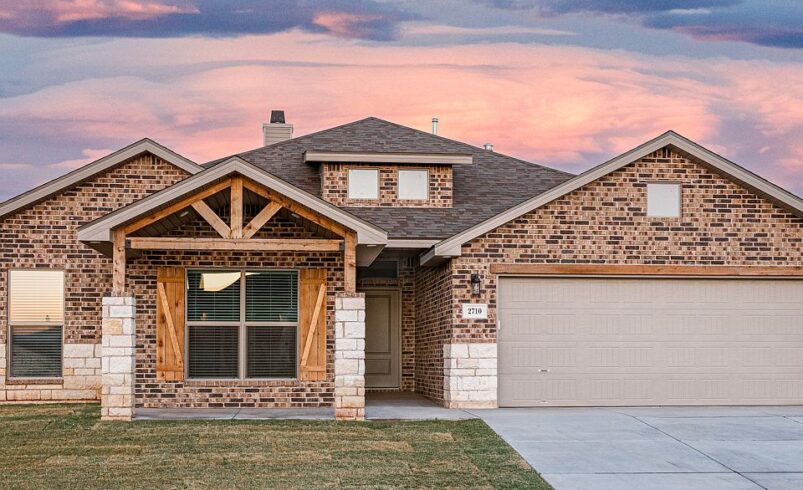
Relocating to a new city or searching for a home within a growing metro area involves more than browsing listings. For most people making this kind of decision in 2025, the priority is understanding what a community actually delivers before committing — not after. In Lubbock, Texas, residential development has expanded steadily over the past several years, and a number of planned communities have emerged to meet that demand. Among them, one development has drawn consistent attention from buyers and renters evaluating their options in the west Texas market.
This guide addresses the practical questions that matter most to prospective residents: what the community looks like on the ground, what floor plans are available, how pricing is structured, and what the living experience involves day to day. It is written for people who need clear, factual information to make a well-informed decision, not a summary of marketing claims.
What Viridian Lubbock Is and Why It’s Gaining Attention
For anyone researching residential options in the Lubbock area, viridian lubbock refers to a planned residential community positioned to offer modern housing within one of Texas’s fastest-growing mid-sized cities. The development is designed around a blend of architectural consistency, community amenity integration, and proximity to key corridors in the Lubbock metro. Those evaluating this community can find detailed property listings, available floor plans, and updated availability through viridian lubbock, which aggregates current offerings from the development.
What distinguishes this community from individual listings or scattered developments is its structured approach to neighborhood design. Rather than isolated homes built on separate lots over different eras, a planned community like this one maintains visual and functional cohesion — consistent streetscaping, unified amenity access, and coordinated construction timelines that reduce the unpredictability often associated with buying in developing areas.
The Lubbock Market Context
Lubbock has maintained a stable housing market relative to many Texas metros. Its economy is anchored by Texas Tech University, a strong healthcare sector, and agricultural industry support services, all of which create consistent demand for both ownership and rental housing. Unlike Austin or Dallas, where rapid appreciation has outpaced local income growth, Lubbock’s market has remained more accessible without sacrificing growth potential.
This context matters for anyone considering Viridian as an investment or long-term residence. The city’s relatively measured pace of development means that new communities are entering a market with genuine absorption capacity, not speculative oversupply. That reduces some of the risk associated with buying early in a new development.
Floor Plan Options and How They’re Structured
Planned residential communities typically offer a tiered floor plan structure, and Viridian Lubbock follows this model. The available plans span single-story and two-story configurations, ranging from smaller footprints suited to individuals or couples to larger layouts designed for families requiring multiple bedrooms and dedicated work or flex spaces.
Floor plan selection in a community like this is not simply about square footage. The internal layout — how rooms connect, how natural light moves through the home, where utility and storage space is concentrated — affects daily livability in ways that raw size numbers don’t capture. A well-designed smaller home with open sightlines and efficient use of common areas often outperforms a larger home with poor spatial logic.
Single-Story Configurations
Single-story homes within the community appeal to a broad demographic: older buyers who prefer to avoid stair access, families with young children, and those who prioritize ease of maintenance. These plans tend to emphasize open-concept living areas, with kitchen, dining, and living zones flowing together without heavy partition walls.
In practical terms, this layout reduces the need for hallway transitions and keeps the home feeling larger than its actual footprint. It also simplifies HVAC distribution, which in west Texas’s climate — known for both significant heat in summer and cold spells in winter — can have a real impact on utility consistency and cost over time.
Two-Story and Multi-Room Configurations
Larger households or buyers seeking dedicated room separation will find two-story options that distribute primary and secondary bedrooms across floors. This separation is useful for households where differing schedules or work-from-home arrangements make acoustic privacy a priority.
Two-story plans in planned communities also tend to offer enhanced exterior presence, which contributes to neighborhood aesthetic consistency and resale positioning. For buyers who view the home as both a residence and a long-term financial asset, this structural consideration carries weight in the decision process.
Pricing Structure and What Influences Cost
Pricing within Viridian Lubbock reflects a combination of factors: lot positioning within the community, floor plan size and configuration, finish level, and the overall phase of development at the time of purchase. Early-phase buyers in planned communities often access lower base pricing, but they also accept more uncertainty about what surrounding infrastructure will look like during construction.
Lubbock’s cost of living index, which sits below the national average according to data tracked by the U.S. Bureau of Economic Analysis, means that housing values in the area remain relatively attainable compared to most Texas metros. This positions Viridian as a viable option for a wider income range than similar communities in higher-cost markets.
What Drives Price Variation Within the Community
Within any planned development, pricing is rarely flat. Lot premiums for corner positions, greenbelt adjacency, or cul-de-sac placement add to the base cost. Upgrade packages — covering finishes like flooring, cabinetry, and fixture specifications — layer additional cost onto the structural base price.
Understanding this pricing architecture matters because buyers who focus only on advertised starting prices often encounter significant gaps between the base figure and the final contracted amount. Approaching the pricing conversation with clarity about which features are standard and which require upgrades allows for a more accurate budget estimate and reduces the risk of post-contract surprises.
Renting Versus Buying at Viridian
Some communities that operate under a similar model offer both ownership and rental options within the same development footprint. If Viridian Lubbock includes rental inventory, the decision between renting and purchasing involves weighing flexibility against equity building. In a stable market like Lubbock’s, ownership generally offers stronger long-term financial positioning, but rental can be the appropriate short-term choice for those uncertain about geographic permanence or those in transition periods professionally or personally.
Community Amenities and Daily Living Considerations
Planned communities are organized around shared infrastructure that individual lot developments typically cannot provide at the same scale. This includes landscaped common areas, community recreation facilities, and in some cases organized programming or managed spaces designed to encourage resident interaction.
The practical value of amenities is often framed in lifestyle terms, but their operational relevance is more concrete. Access to maintained recreational space reduces the demand on individual homeowners to develop and maintain private outdoor areas. Community gathering infrastructure creates informal accountability within the neighborhood, which tends to correlate with lower property maintenance neglect and higher general safety outcomes.
Proximity to Lubbock’s Core Infrastructure
Location within the Lubbock metro matters significantly for daily logistics. Access to major road corridors, proximity to healthcare facilities, and reasonable commute times to employment centers — including Texas Tech’s campus and the medical district — are factors that affect how livable a community feels over time, not just on move-in day.
Communities positioned well relative to these anchors hold their value more reliably and attract a more stable long-term resident population, which contributes to neighborhood quality in ways that amenity packages alone cannot replicate.
What to Verify Before Committing
Regardless of how well a community presents during the research phase, prospective buyers and renters should independently verify several things before finalizing any agreement. HOA fee structures, rules governing exterior modifications, and assessments for future infrastructure improvements are often documented in association bylaws that are available prior to contract but not always prominently disclosed.
Construction warranties, builder reputation, and the financial health of the development entity are also worth examining. A well-designed community with a financially distressed builder carries operational risk that no floor plan or amenity package can offset.
Timeline Realism for New Construction
New construction timelines in 2025 continue to carry more uncertainty than pre-pandemic norms would suggest. Supply chain variability, labor availability in regional markets, and permit processing timelines all affect delivery dates. Buyers who enter new construction agreements with rigid move-in requirements should build explicit contingency provisions into their planning rather than relying on verbally communicated estimates.
Conclusion
Evaluating a residential community like Viridian Lubbock requires looking past the surface presentation and understanding the structural elements that determine whether a community delivers on its promise over time. Floor plans establish the functional baseline of a home. Pricing architecture determines what the actual cost will be relative to initial expectations. Amenities and location shape daily livability. And the verification steps — HOA terms, builder financial standing, construction timelines — protect the buyer from risks that good photography and community renderings tend to obscure.
Lubbock’s housing market in 2025 remains one of the more accessible in Texas, and well-positioned planned communities within it offer a real opportunity for buyers who approach the decision with sufficient information. The goal of this guide is to ensure that anyone exploring this development enters the process with clear expectations, realistic questions, and enough context to evaluate what they’re told against what the market actually supports.