Enhancing Building Aesthetics with Innovative Facades

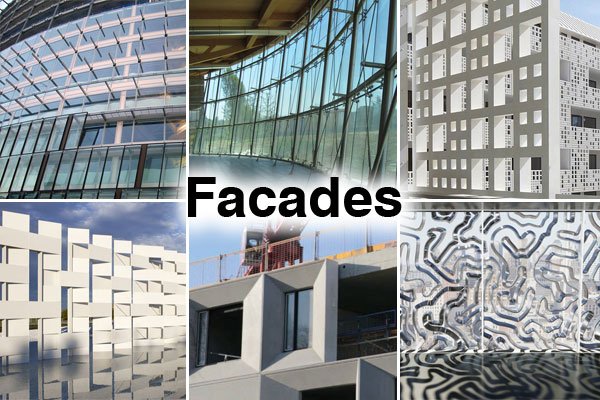
The visual appeal of a building is significantly influenced by its facade, which serves as the primary interface between the structure and its environment. Architectural facades are not only critical for aesthetic purposes but also play essential roles in environmental performance, structural protection, and occupant comfort.
The Importance of Facades in Modern Architecture
Facades have evolved from being mere decorative elements to integral components of a building’s design. The advancement in materials and construction techniques has allowed architects and engineers to create facades that are not only visually striking but also highly functional. By incorporating innovative design strategies, facades can optimise natural light intake, improve thermal insulation, manage acoustics, and adapt to climatic conditions.
Enhancing the aesthetic quality of buildings through architectural facades requires a comprehensive understanding of material properties, environmental factors, and design principles. Modern facades must balance creativity with performance, ensuring durability and sustainability.
Materials and Technologies
The choice of materials for facades greatly influences both the appearance and functionality of a building. Common materials include glass, aluminium, steel, concrete, timber, and composite panels. Each material offers distinct benefits, allowing designers to achieve specific aesthetic or performance objectives.
Innovations in facade technology have introduced dynamic systems such as kinetic facades, which adjust to environmental conditions in real-time. These smart facades enhance energy efficiency by regulating heat gain and ventilation, contributing to the overall sustainability of a project.
Glass Facades
Glass remains a popular material due to its transparency and ability to create open, light-filled spaces. Advances in glazing technologies, such as low-emissivity coatings and double-skin systems, have improved the energy efficiency of glass facades without compromising natural light.
Metal and Composite Panels
Metal and composite panels offer versatility in design, enabling intricate patterns and textures. These materials are lightweight, durable, and require minimal maintenance, making them suitable for various architectural styles.
Design Considerations for Innovative Facades
When designing innovative facades, several factors must be considered. Orientation, climate, building use, and local regulations influence design decisions. The integration of facades with building services and structural elements is crucial for ensuring seamless performance.
Additionally, the facade’s contribution to the building’s identity and its context within the urban fabric is an important consideration. Innovative facades can create iconic landmarks, enhance street engagement, and contribute to cultural expression.
Energy Efficiency and Sustainability
Sustainability has become a central focus in architectural design, and facades play a pivotal role in achieving energy-efficient buildings. Proper insulation, shading devices, and ventilation strategies incorporated into facade design reduce energy demand for heating, cooling, and lighting.
Incorporating renewable energy technologies, such as photovoltaic panels within facade systems, further promotes environmental responsibility. These solutions align with global trends towards reducing carbon footprints and enhancing building performance.
Structural and Functional Performance
Beyond aesthetics, facades must meet structural requirements to withstand loads such as wind, seismic activity, and thermal expansion. The integration of facade elements with the primary structure must ensure safety and stability. Furthermore, facades protect the interior from weather elements, including rain, snow, and pollution.
Acoustic performance is also a critical factor, especially in urban environments. Facades designed with sound-absorbing materials can reduce noise pollution, creating comfortable interiors for occupants.
Maintenance and Longevity
Innovative facades should be designed with consideration for long-term maintenance and durability. Material selection, construction quality, and accessibility for cleaning or repairs influence the facade lifespan. Incorporating modular components can facilitate replacement and upgrade without significant disruption.
The Future of Architectural Facades
The future of architectural facades is geared towards increased intelligence and adaptability. Digital fabrication techniques, parametric design, and building information modelling (BIM) enable the creation of complex facade geometries tailored to specific environmental and functional needs.
Facades will increasingly incorporate sensor technologies to monitor performance parameters and enable responsive adjustments. This evolution positions facades as active participants in building operation rather than passive elements.
Case Studies and Applications
Numerous projects around the world exemplify the application of innovative facade solutions. These include high-rise commercial buildings, cultural institutions, and residential developments that demonstrate the synergy of aesthetics, technology, and sustainability.
For professionals interested in exploring the capabilities and options for facade design, institutions and companies specialising in these systems provide valuable resources and expertise. For example, a comprehensive understanding of facades and their implementation can be gained from industry leaders offering tailored solutions.
Conclusion
Architectural facades significantly enhance building aesthetics, environmental performance and occupant experience when designed innovatively. By integrating advanced materials, technologies, and sustainable strategies, facades evolve into multifunctional skins that protect, perform, and inspire.
As architectural demands grow more complex, the collaboration between designers, engineers and manufacturers in facade innovation will continue to shape the built environment. Embracing cutting-edge facade systems ensures buildings remain relevant, efficient and visually compelling for decades to come.