
How Homeowners Can Create Better Spaces for Relaxation

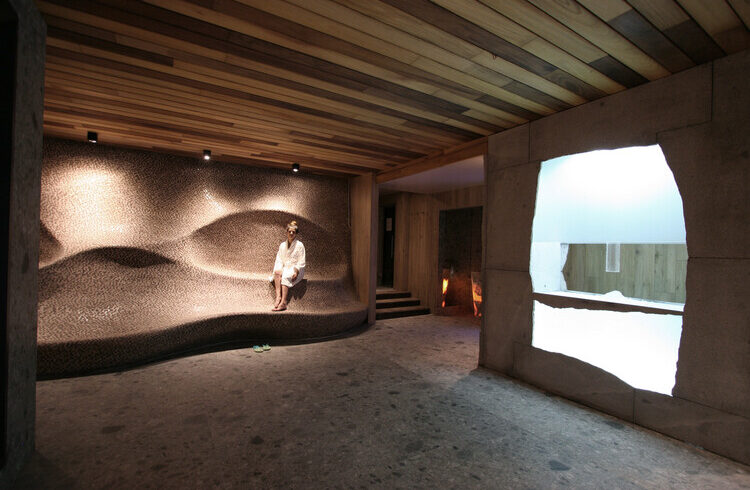
Most homes have a room that’s supposed to be relaxing but somehow never quite delivers on that promise , a living room that’s really just an extension of the TV and the day’s clutter, a bedroom that doubles as a workspace, a den that’s more storage than sanctuary. Creating a genuinely restful space takes more than good intentions; it takes specific, deliberate choices about how a space looks, feels, and functions. Anchoring that space around something as intentional as a far infrared sauna is one option, but the underlying principles apply to any relaxation space a homeowner wants to build well.
Start by Giving the Space a Single, Clear Purpose
The biggest obstacle to genuine relaxation at home is a room trying to serve too many competing functions at once. A space that’s simultaneously a home office, a laundry catch-all, and a relaxation area rarely succeeds fully at any of those roles, since the visual and mental clutter of other functions bleeds into the intended purpose. The first step toward a genuinely better relaxation space is deciding, clearly and deliberately, that this particular space serves one primary purpose, and then protecting that purpose from creeping multi-tasking.
Even a small space dedicated entirely to relaxation tends to outperform a larger, multi-purpose room, simply because it doesn’t ask the mind to switch between different modes every time it’s used.
Control the Sensory Environment Deliberately
Relaxation is heavily influenced by sensory input, which means lighting, sound, temperature, and texture all deserve deliberate attention rather than being left to whatever a space happened to come with. Soft, warm, adjustable lighting supports relaxation far more effectively than harsh overhead fixtures. Sound insulation or a source of gentle background sound can meaningfully separate a relaxation space from household noise. Comfortable, natural materials and textures create a tactile environment that feels genuinely different from more utilitarian spaces throughout the home.
Making these sensory choices deliberately, rather than accepting whatever a room already has, is often the single highest-impact change available for improving how restful a space actually feels.
Remove Visual Clutter Ruthlessly
Visual clutter is one of the most underestimated obstacles to relaxation. A space filled with visible reminders of unfinished tasks, unrelated belongings, or general household disorder makes it genuinely difficult to mentally disengage, even in an otherwise comfortable room. Creating a better relaxation space often means being ruthless about what’s allowed to remain visible within it , storing away anything unrelated to the space’s core relaxing purpose, rather than letting a relaxation room slowly accumulate the same clutter as the rest of the house.
This decluttering isn’t a one-time task; it requires ongoing discipline to keep a relaxation space genuinely free of the visual noise that undermines its purpose.
Incorporate Natural Materials and Warmth
Natural materials , wood, stone, natural fibers , tend to create a noticeably different feeling than synthetic, cold, or highly polished surfaces, contributing to a sense of warmth and genuine comfort that supports relaxation. Similarly, incorporating a source of warmth, whether through lighting, materials, or a dedicated heat feature, adds a physical dimension to relaxation that purely visual design choices can’t achieve on their own.
This combination of natural materials and genuine warmth creates a sensory environment that feels distinctly different from the more clinical, functional spaces found throughout the rest of a typical home.
Build a Consistent Ritual Around the Space
A relaxation space delivers far more value when it’s paired with a consistent ritual, rather than used only sporadically and without any established pattern. Even a simple, repeated routine , a specific time of day, a specific sequence of activities within the space , helps train both the mind and body to associate that space with genuine relaxation, making it easier to actually unwind each time the space is used.
This kind of ritual-building turns a well-designed space from a passive feature into an active habit, which tends to produce far more consistent relaxation benefits over time than an occasional, unstructured visit to an otherwise well-designed room.
Limit Technology Intrusion
Screens and notifications are some of the most persistent obstacles to genuine relaxation, pulling attention outward and interrupting any sense of calm a space might otherwise support. Creating a genuinely restful space often means deliberately limiting technology within it , leaving phones outside, avoiding screens entirely, or at minimum silencing notifications during time spent there. This boundary, while sometimes difficult to maintain, protects the space’s core purpose from the same digital distractions that undermine relaxation throughout the rest of a typical day.
Make the Space Easy to Use Consistently
Ultimately, a relaxation space only delivers value if it actually gets used regularly, which means removing any friction that might discourage consistent use. A space that’s difficult to access, poorly maintained, or requires significant effort to prepare each time tends to get used far less often than one that’s simple, ready, and inviting whenever someone wants it.
The Bottom Line
Creating a genuinely better relaxation space at home comes down to a handful of deliberate choices: a clear, protected purpose, thoughtful sensory design, disciplined decluttering, natural materials and warmth, a consistent ritual, and firm boundaries around technology. Homeowners who approach relaxation space design with this level of intention tend to end up with spaces that deliver genuine, lasting value, rather than a well-intentioned room that quietly reverts to general household clutter within a few months.