The Two Accessories That Quietly Decide Whether an Outfit Works

Most outfits don’t go wrong because of the clothes themselves. The jeans fit, the dress looks good, and the jacket works on its own, yet the finished outfit can still feel slightly off.
Very often, the difference comes down to two things: the bag and the shoes.
They may take up less visual space than a coat or dress, but they can completely change whether an outfit feels polished, relaxed, practical, or overly complicated. That’s why I’ve started thinking about bags and shoes together instead of treating them as two unrelated purchases.
They don’t have to match perfectly. In fact, they often look more interesting when they don’t. What matters is whether they make sense in the same outfit.
Start with the life you actually live
Before choosing accessories, I think about what the day will actually involve.
A tiny shoulder bag and delicate heels might be perfect for dinner, but they probably aren’t the best choice for a day that includes commuting, walking several blocks, carrying a laptop, and stopping at the grocery store on the way home.
For everyday dressing, practicality matters.
A roomy tote, crossbody, shoulder bag, or soft hobo bag can make much more sense when you need to carry more than a phone and wallet. Comfortable loafers, flats, boots, or lower heels can support the same easy, wearable mood.
When I’m looking at bags, I find it more useful to compare shapes and functions instead of focusing only on color. Browsing a bag-focused site such as DOKIBAGS makes it easier to think about whether I actually need a structured work bag, a casual shoulder bag, a compact crossbody, or something softer for everyday wear.
The same logic applies to shoes.
Rather than automatically choosing the most dramatic pair, I look at the clothes I already own and the places I actually go. A shoe selection like the one at ROSATINA makes it easier to compare flats, loafers, boots, sandals, and heels and imagine which styles would genuinely earn a place in my wardrobe.
Your bag and shoes don’t need to be the same color
The old idea that handbags and shoes have to match exactly can make getting dressed more difficult than it needs to be.
Black shoes with a black bag will always work, but that is only one option.
A brown suede bag can look good with cream shoes. Black loafers can work with a burgundy shoulder bag. Metallic heels can be paired with a simple black clutch. White sneakers can even balance a darker leather bag without making the outfit feel disconnected.
I usually pay more attention to visual weight than exact color.
Chunky shoes have a stronger presence, so the rest of the outfit needs enough visual weight to support them. If the footwear is extremely heavy while the bag is tiny and delicate, the combination can sometimes feel unbalanced.
On the other hand, a slim shoe and a small structured bag often create a cleaner, more refined look.
The goal isn’t perfect matching. It’s balance.
Let one accessory do more of the talking
One of the easiest ways to make an outfit feel intentional is to choose one noticeable accessory and let the other stay quieter.
If the shoes already have metallic details, unusual straps, a bold heel, or a strong color, the bag can be simple.
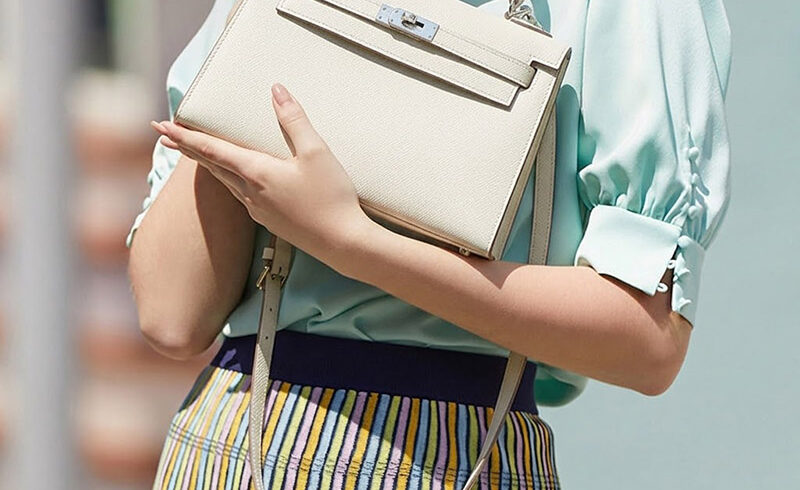
If the bag has quilting, eye-catching hardware, fringe, studs, texture, or a distinctive shape, cleaner shoes often work better.
This keeps every part of the outfit from competing for attention.
Take a very simple combination: straight-leg jeans, a white top, and a black blazer.
Add red heels and a minimal shoulder bag, and the shoes become the focus.
Switch those heels for black loafers and add a textured or unusually shaped handbag, and suddenly the bag becomes the most interesting part of the outfit.
The clothes haven’t changed, but the mood has.
Texture can connect an outfit better than color
Color gets most of the attention when people talk about matching accessories, but texture matters just as much.
Suede feels softer and more relaxed than glossy patent leather. Smooth structured leather usually looks sharper. Canvas feels casual. Quilting adds visual detail. Metallic finishes immediately make an outfit feel more decorative.
These textures don’t necessarily need to match. Sometimes contrast is what makes the outfit interesting.
A suede bag with polished leather shoes can add depth to an autumn outfit.
A structured handbag can sharpen soft knitwear and relaxed trousers.
Sleek heels can make denim feel more dressed up, while a slouchy bag can stop the same outfit from becoming too formal.
Instead of asking whether a bag and a pair of shoes “match,” I prefer to ask whether their textures, shapes, and overall mood work well together.
That usually leads to much better combinations.
Proportion matters more than most people realize
Accessory size changes the balance of an outfit.
Oversized coats, wide-leg trousers, chunky knits, and platform shoes already create plenty of volume. Adding an extremely large bag can work, but it can also make the entire outfit feel visually heavy.
Sometimes a medium shoulder bag or compact crossbody creates better contrast.
The opposite can happen with very fitted or minimal clothing. A slightly larger bag can add shape and stop a simple outfit from feeling too plain.
Shoes affect proportion in the same way.
Wide trousers need enough visible shoe underneath them so the footwear doesn’t completely disappear.
With a mini skirt or shorter dress, the shoes become much more noticeable, which means heel shape, straps, socks, and ankle details suddenly matter more.
There isn’t one perfect formula. I simply look at the outfit as a whole and check whether one item is visually overpowering everything around it.
Think about the occasion before choosing the combination
The same bag-and-shoe pairing won’t work equally well everywhere.
For work, I usually prefer accessories that feel polished without becoming too formal. A structured shoulder bag with loafers, ankle boots, or a low block heel is an easy combination.
For weekends, I’m more likely to choose a softer bag with sneakers, flats, or casual boots.
Dinner outfits allow more contrast. A simple dress can handle a decorative bag or a stronger pair of heels, but it rarely needs both at the same time.
Travel changes the priorities again.
Comfort, easy access, secure closures, and weight become much more important. A beautiful accessory stops being useful very quickly if it becomes annoying after an hour of walking.
Thinking about the occasion first helps narrow the choices before color or trends even enter the conversation.
Build a small accessory rotation instead of chasing every trend
Trends are useful for inspiration, but a practical wardrobe needs pieces you can repeat.
For bags, a simple rotation might include one everyday shoulder or crossbody bag, one larger work or travel option, and one smaller style for dinners or events.
For shoes, the equivalent might be an everyday flat or loafer, a boot, a comfortable heel, and one warm-weather option.
The exact categories depend on your lifestyle.
Someone who works from home and walks everywhere will need something completely different from someone who regularly attends formal events.
That is why copying someone else’s “must-have accessory list” rarely works perfectly.
A better test is simple:
Can you immediately imagine at least three outfits you would wear with the item?
If the answer is no, I usually leave it behind.
Three realistic outfits are more useful than one perfect imaginary look.
Don’t ignore comfort and maintenance
An accessory can look perfect in a photo and still be frustrating in real life.
With bags, I pay attention to strap width, weight, closures, internal organization, and how easily I can reach the things I use most.
With shoes, I look at more than heel height. Toe shape, width, sole flexibility, ankle support, and the position of straps can make just as much difference.
Maintenance matters too.
Light suede may require more care than smooth dark leather. Highly polished shoes may show scratches easily. Bags with lots of hardware can be heavier than expected.
These details aren’t very exciting when shopping, but they often decide which pieces you actually keep using six months later.
The best combinations feel intentional, not perfectly coordinated
A good outfit doesn’t need every detail to agree.
In fact, a little contrast often makes it more interesting.
A polished bag can work with relaxed denim.
Feminine heels can balance an oversized blazer.
Loafers can look great with a softer shoulder bag.
A structured handbag can give shape to casual knitwear.
These combinations work because the pieces have a relationship without looking like they were bought as a matching set.
That is the approach I prefer when shopping for accessories. Instead of looking for a bag and pair of shoes that perfectly match each other, I look for pieces that can work with the same wardrobe.
It’s a small change in thinking, but it makes shopping much easier.
You stop buying accessories for one imaginary outfit and start choosing pieces that can move between workdays, weekends, dinners, travel, and different seasons.
And in the long run, those are usually the accessories worth keeping.