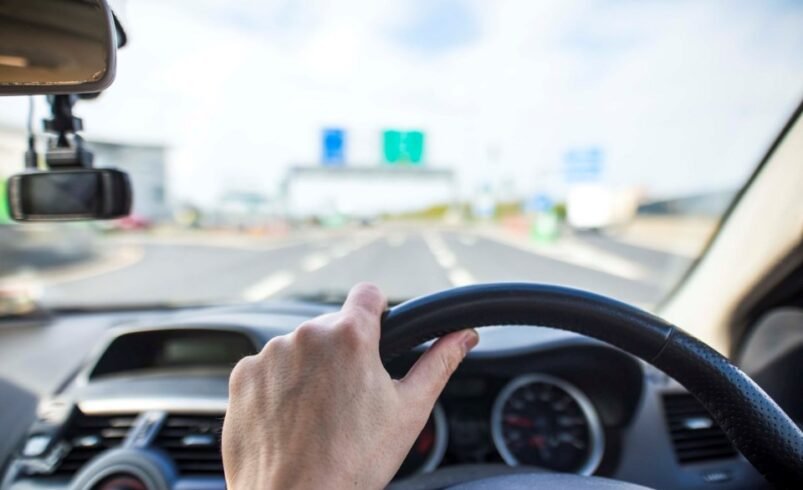
Why Your Smartphone is the Most Dangerous Passenger in the Vehicle

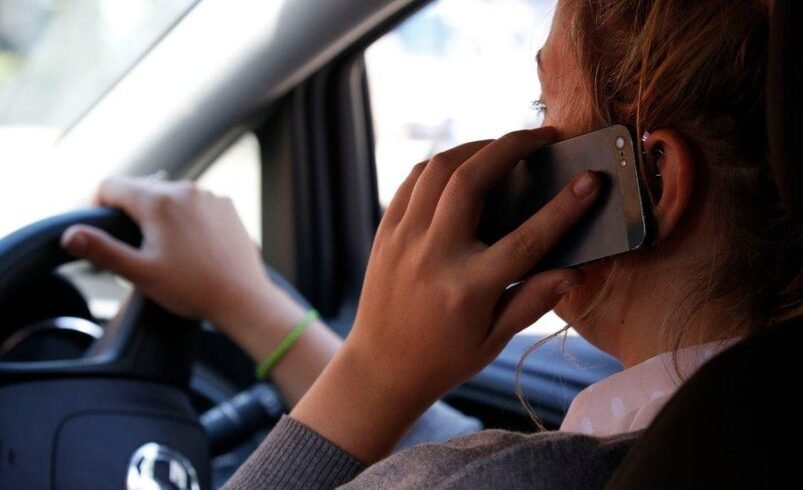
Modern smartphones have transformed from simple communication tools into highly addictive hubs of information for almost everyone today. Most people feel a phantom buzz in their pocket even when no message has arrived. This psychological pull is incredibly dangerous when navigating a busy highway.
Taking your eyes off the road for five seconds at highway speeds is like driving the length of a football field blindfolded. It is a terrifying and lethal reality that many commuters ignore daily. Safety requires a complete and total commitment to the path ahead. Lawmakers have responded to these dangers with specific statutes designed to keep hands on the wheel at all times.
These regulations are strictly enforced to reduce the number of preventable fatalities. Knowing the laws for distracted driving in Texas is essential for every resident on the road. Fines, license penalties, and increased insurance costs can follow even a single violation. Understanding these consequences reinforces why staying focused behind the wheel is not just a recommendation, but a responsibility.
Following the Rules of the Road
Texas passed a statewide ban on texting while driving back in 2017 to address rising crash numbers across the region. This law makes it illegal to read, write, or send any electronic messages while the vehicle is in motion. It was a major step.
Many local municipalities have gone even further by passing ordinances that require total hands free operation for all drivers. In these cities, simply holding a phone for any reason can result in a significant fine. Drivers must use Bluetooth or a mounted device.
There are still some gray areas regarding use while stopped at a red light or in heavy traffic in some areas. While the state law focuses on a moving vehicle, local rules often prohibit any interaction until the car is parked. Staying safe means keeping the device untouched.
Analyzing the Cognitive Impact
Research shows that the human brain is not actually capable of true multitasking while performing complex tasks like operating a vehicle. When a driver looks at a screen, their cognitive focus shifts away from the road for several critical seconds. This delay is often deadly.
Experts often compare the impairment caused by texting to the effects of consuming several alcoholic drinks before getting in a car. Both behaviors significantly slow down the ability to process visual information and make quick decisions. A distracted driver is essentially operating with a major handicap.
The mental workload of processing a text message lingers long after the phone is put away for the driver. This carryover effect means that a person is still distracted for several seconds after the interaction ends. Focus should always remain on the physical environment of the road.
Using Digital Evidence in Legal Cases
When a serious collision occurs, insurance companies and legal teams look for evidence of negligence or fault on the road. One of the most effective ways to prove a driver was distracted is through digital footprints. These records provide an objective timeline of the event.
Attorneys can subpoena cell phone records to see exactly when messages were sent or data was used during the drive. If a text went out seconds before a crash, it serves as powerful evidence in a courtroom. It is difficult to argue against the facts.
Modern vehicles also record data about braking and speed that can be synced with phone usage logs for analysis. This technical combination creates a clear picture of what the driver was doing at the time. Digital habits have significant legal consequences after an accident.
Minimizing Hazards inside the Cabin
Distraction is not limited to digital devices, but phones create a unique type of cognitive blindness for many drivers today. Even if a driver is looking forward, their brain may not process a hazard if they are thinking about a text. This phenomenon is a risk.
Passengers can also be a source of noise and interruption, but they often act as a second pair of eyes. A person in the car can warn the driver of a coming hazard or a red light. A phone provides no such benefit at all.
Eliminating the habit of checking the screen requires a shift in mindset for everyone in the vehicle during the trip. Turning the phone on silent or putting it in the glove box removes the temptation entirely. Safety is more important than an instant reply.
Conclusion
Putting the phone away is the simplest and most effective way to lower the risk of a crash on the road. It is a small sacrifice that protects the lives of everyone sharing the pavement. A commitment to focus ensures that every trip ends safely.
The legal and physical consequences of a single distracted moment are too high to ignore any longer in our society. Respecting the laws and the machine requires a disciplined approach to every commute. Technology should never come at the cost of human life today.
Developing a devices down habit is a mark of a responsible and mature driver in the modern age. Every resident has a role to play in making the streets a safer place for families. Stay focused and keep the smartphone out of reach.