How to Replace Aging Lab Equipment Without Straining Your Budget

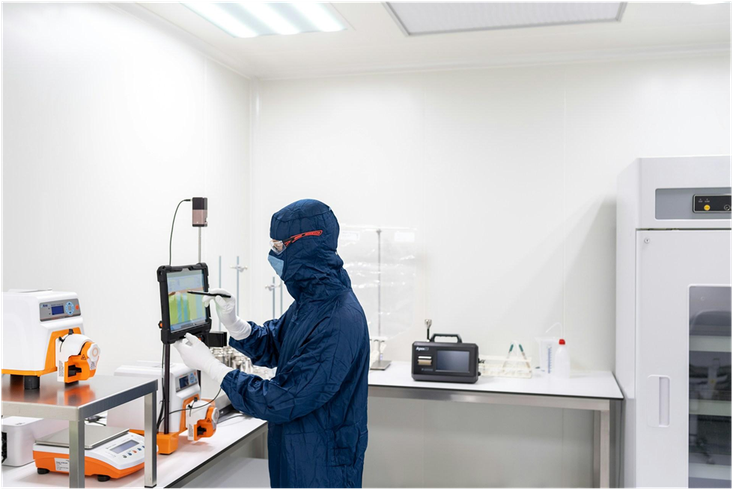
Running a clinical or research lab on a tight budget gets harder every year. Old machines break down more often, lose accuracy, and quietly drive up monthly power bills. When a core instrument quits mid-shift, emergency repair fees eat into cash meant for staff or new testing lines. You can phase out worn-down gear without draining your bank account by sticking to a practical replacement plan.
Step 1: Audit Existing Assets and Prioritize by Operational Risk
You do not need to replace every aging unit on the floor at once. Take stock of what you actually have and spend money where a breakdown hurts most.
- Check Daily Impact: Look closely at how much your daily workflow depends on each machine. Put gear at the top of your list if an outage would stall patient results or ruin live samples.
- Track Repair Bills: Pull your service invoices from the past twelve months and do the math. Once annual fixes cost more than a third of a new unit’s price, keeping that machine running stops making financial sense.
- Measure Power Use: Older cooling units draw heavy electricity and struggle to hold steady temperatures under load. Swapping out a failing laboratory refrigerator trims your utility bill and keeps temperature-sensitive reagents from spoiling.
Step 2: Calculate Total Cost of Ownership (TCO), Not Just Sticker Price
A low upfront quote often turns into an expensive headache over five years. Look at what a machine costs to run day to day before signing anything.
- Compare Supply Costs: Some budget analyzers lock you into buying pricey, single-brand test kits. Price out the daily consumables and reagents first so you do not get trapped by hidden running costs.
- Review Service Plans: Ask what maintenance runs once the standard one-year warranty expires. Paying slightly more upfront for a multi-year service agreement usually beats paying out of pocket for emergency tech visits.
- Check Room Setup: Confirm that your existing outlets, ventilation, and bench space actually fit the new model. Avoiding last-minute electrical or plumbing work keeps your final invoice from ballooning.
Step 3: Explore Cost-Effective Procurement Alternatives
Paying full retail for brand-new equipment is rarely your only move. A few smart buying habits can get reliable hardware onto your bench for a fraction of list price.
- Buy Certified Refurbished: Reputable resellers strip down used lab tools, update their firmware, and calibrate them back to factory specs. You get dependable performance and a real warranty for up to half off retail.
- Ask for Trade-in Credits: Many vendors will knock money off a new purchase if you hand over your retired unit. Trading in old hardware lowers your quote and saves you from paying hauling or disposal fees.
- Join a Buying Group: Group purchasing organizations pool orders across dozens of clinics to unlock volume pricing. Membership gives smaller labs access to discounted equipment rates along with free shipping or setup.
Step 4: Leverage Flexible Financing to Protect Cash Flow
Dropping a huge lump sum on lab gear leaves your facility short on cash for payroll and weekly supplies. Spreading payments out lets you upgrade right away while keeping working capital intact.
- Use Equipment Leases: Leasing trades a massive upfront bill for a predictable monthly payment. At the end of the term, you can either buy out the machine or roll into a newer model.
- Try Sale-Leaseback Plans: A financing partner buys paid-off equipment you already own and leases it right back to you. That frees up cash from existing assets so you can fund urgent upgrades without taking on traditional debt.
- Bridge Urgent Gaps: Sometimes a critical unit dies weeks before your next capital budget opens or a grant check clears. Labs can cover sudden equipment expenses with short term loans in Canada while waiting for long-term funding to land.
Step 5: Tap Into Grants, Tax Incentives, and Utility Rebates
Outside funding is often sitting on the table for labs replacing wasteful, outdated gear. Spending an afternoon checking local programs can shave thousands off your final cost.
- Claim Utility Rebates: Many regional power providers pay cash rebates when facilities install energy-efficient lab appliances. Check your utility company’s commercial programs before ordering new cold storage or fume hoods.
- Use Tax Write-Offs: Talk with your accountant about how equipment purchases or leases affect your year-end taxes. Accelerated depreciation rules often let you write off medical and research hardware much faster than expected.
- Apply for Grants: Public health agencies and industry groups regularly fund lab modernization efforts. Line up your big equipment quotes around grant deadlines so outside money covers part of the bill.
Build a Rolling 3-Year Equipment Roadmap
Upgrading an aging lab goes much smoother when you plan ahead instead of reacting to sudden breakdowns. Start this month by pulling the service logs on your five oldest instruments and flagging the worst offenders. Gathering quotes and payment options early puts you in control of your budget long before anything quits on you.