
Key Factors to Consider When Building a Cold Room for Your Business in Singapore

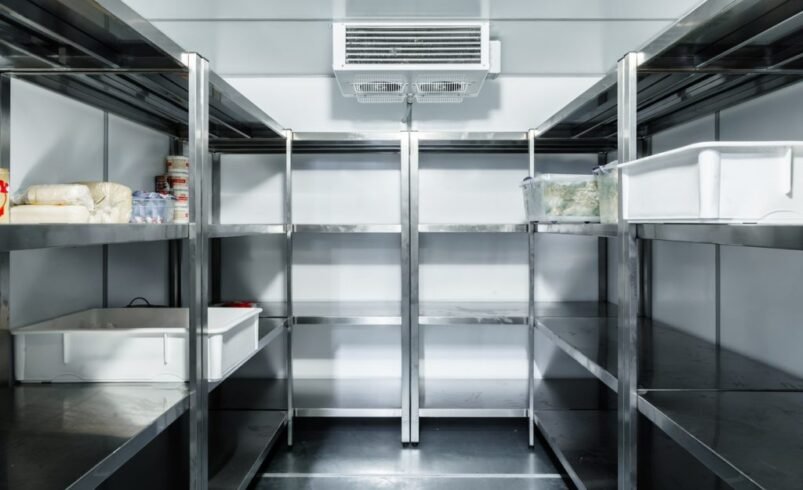
Whether you’re running a restaurant, central kitchen, food factory, or logistics warehouse, the cold room is one of the most important components in your operation. But many businesses underestimate the level of planning required to design and build a cold room that performs well for the long term. Here are the essential factors to consider when investing in a cold room in Singapore.
1. Determining the Right Size and Layout
Cold rooms should be built according to your storage volume, type of inventory, and operational workflow—not simply available space. Overestimating leads to unnecessary energy costs, while underestimating causes overcrowding and poor temperature circulation. A proper site assessment helps determine the ideal storage footprint, door placement, and shelving configuration to maximise efficiency and safety.
2. Choosing the Right Temperature Range
Different products require specific storage temperatures:
- Fresh produce typically needs 0°C to 4°C
- Frozen items require –18°C or below
- Pharmaceuticals may require 2°C to 8°C
Selecting the right refrigeration system and insulation thickness ensures stable temperatures even during frequent door openings or peak operating hours. For businesses with mixed inventory, dual-temperature chambers or multiple cold rooms may be more efficient than a single room.
3. Insulation Material and Panel Quality
High-density polyurethane panels are the standard for commercial cold rooms due to their superior thermal resistance. Panel thickness, density, and joint sealing significantly affect performance. Proper insulation also helps prevent condensation, moisture damage, mould growth, and temperature fluctuations—issues that are expensive to fix later on.
4. Proper Door Selection and Sealing
Cold room doors are a major source of heat infiltration. Depending on your workflow, you may need:
- Swing doors for general daily use
- Sliding doors for space-constrained areas
- Strip curtains to reduce cold air loss
- Auto-closing doors for high-traffic operations
Well-sealed doors reduce strain on the refrigeration system, ensuring both energy efficiency and long-term durability.
5. Ventilation and Airflow Engineering
Good airflow prevents hot spots, reduces spoilage, and ensures uniform cooling across all shelves. Poorly placed evaporators or blocked airflow can cause uneven temperatures, affecting product quality. Professional cold room builders evaluate load patterns, shelving layout, and air return paths to optimise airflow.
6. Energy Efficiency Considerations
With energy costs rising in Singapore, every decision—from compressor selection to lighting configuration—affects monthly operating costs. Energy-saving components such as inverter compressors, LED lighting, and insulated flooring can deliver long-term savings. Smart temperature controls and defrost automation further help reduce unnecessary energy use.
7. Hygiene, Durability, and Safety Features
Cold rooms must withstand constant moisture, low temperatures, and heavy daily usage. Important features include:
- Anti-slip flooring
- Seamless wall and ceiling surfaces
- Drainage systems
- Food-grade materials
- Corrosion-resistant hardware
For safety, businesses should also consider internal emergency release mechanisms, proper lighting, and alarms for temperature deviations.
8. Monitoring, Control, and Backup Systems
Modern cold rooms benefit from digital control panels, remote monitoring, and automated alerts. These technologies allow businesses to track performance trends, identify early signs of equipment failure, and protect high-value inventory. Backup power options and redundancy systems are especially important for pharmaceutical, seafood, and perishable goods storage.
9. Working With an Experienced Cold Room Specialist
Cold rooms involve a combination of structural engineering, refrigeration expertise, regulatory compliance, and precise installation. Working with a cold room specialist like Kiat Lay ensures your cold room is built to industry standards and tailored to your operational needs. From design consultation to installation and after-sales support, choosing the right partner helps safeguard your investment and ensure long-term reliability.