
The Signs Your Digestive System Is Asking for Professional Help

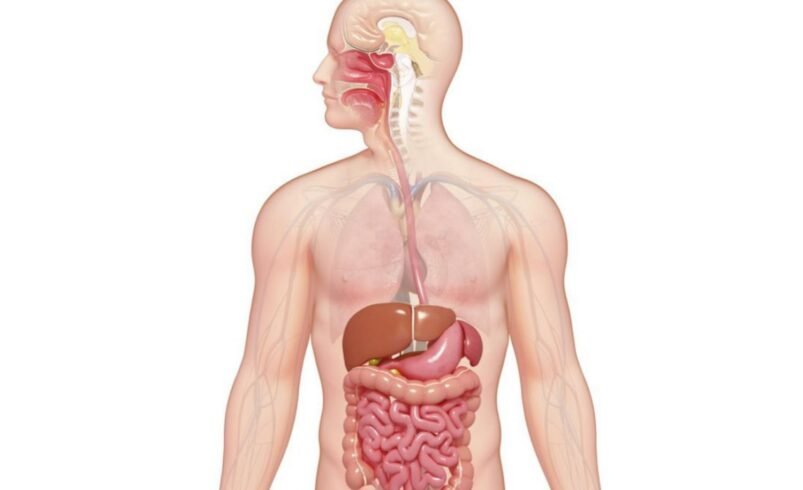
Almost everyone has experienced an upset stomach at least once in their life. A bad meal, a stressful week, maybe an occasional stomach virus that ends in a matter of days. These are all normal occurrences and the body usually rights itself without much intervention. But there’s a difference between normal bumps in the road and symptoms that recur often, and knowing the difference can truly change the game for health.
The digestive system does a lot of work every day. It breaks down food, absorbs nutrients, excretes waste, and even contributes to the mood and immune systems. Therefore when something is awry, the body sends signals. The issue with these signals, however, is that many are easily ignored as nothing serious.
When Regularly Occurrences Are No Longer “Regular” Occurrences
Bloating after a big meal is one thing. Bloating that happens regularly despite intake levels or foods consumed—and even more, without consumption—is another story. The same goes for heartburn. Many people pop an antacid and go on their way (which is effective if it’s an occasional experience). But when heartburn becomes a daily experience, especially at night, interfering with comfortable eating during the day, it’s a sign from the digestive system that something should be explored further.
People often also overlook abdominal discomfort for long periods of time. There’s an unfortunate tendency to normalize certain pains that aren’t debilitating; however, pain that’s uncomfortable for days on end, or cycling in and out over weeks should be further evaluated. Additionally, fluctuations in bowel habits is another occurrence to take seriously. If something is differentand it continues for more than a few days to a couple of weeks, it should be assessed.
Symptoms That Need Immediate Attention
Sometimes there are red flags that require immediate attention. It’s important to know which symptoms are worse than others. Blood in stool is one of the biggest immediate symptoms that something warrants professional investigation. Blood can mean many things, from hemorrhoids to something more serious, but it should never be something that someone waits to see about after time passes.
Unexpected weight loss is another clear sign. If someone notices that the number on the scale is going down without drastic changes in diet or exercise, the body may be having trouble absorbing nutrients and needs digestion help.
Finally, difficulty swallowing or feeling like food is stuck (something that sounds common but not well-discussed), along with unexplained nausea should be mentioned to a doctor. These aren’t rare occurrences or out of the ordinary complaints, but rather things that improve once diagnosed with treatment.
For anyone trying to get a better handle on what’s going on before or after a doctor’s visit, reading up on the gastrointestinal issues basics can be a helpful starting point. Understanding how the GI system works and what different symptoms might indicate makes it easier to have informed conversations with a specialist.
Why People Delay Too Long to Help
The unfortunate reality is that people wait far too long to get help for symptoms because they are embarrassed or assume what’s happening is just how their body works. Some people have lived for so long with discomfort that they don’t realize how abnormal it is anymore. Others fear what a diagnosis may entail and find it’s easier not knowing.
The reality is that most GI conditions respond positively to treatment, especially diagnosed relatively early on. Digestive-related issues including but not limited to irritable bowel syndrome, acid reflux disease, inflammatory bowel disease and colorectal cancer are all better if diagnosed sooner and not later.
What a GI Specialist Does
A gastroenterologist is a professional who specializes in the digestive tract, from the esophagus down through the stomach and intestines, along with other related organs like the pancreas and liver. These specialists are trained to assess, diagnose and treat various conditions that a primary care physician may not have the tools or experience depth to fully address.
For example, during an initial appointment a thorough discussion about symptoms (medical history, symptom manifestation and lifestyle factors) occurs. From there specialists may recommend testing like blood work or imaging—or procedures like endoscopies or colonoscopies depending on what symptoms may indicate. These procedures are scary to most people but they’re routine, often well tolerated and provide answers that years of detective work just can’t give as quickly as hoped.
It’s more than just diagnosis; it’s gaining insight into what’s going on and developing a practical plan going forward so patients can finally feel better fast.
Why Digestive Health Matters
There’s another larger point worth addressing: digestive health impacts energy levels, mental clarity and overall comfort in life. When the GI system isn’t thriving, nothing else thrives either—meaning fatigue, brain fog and general discomfort leads people to feel like themselves at less than 100%.
People who have chronic discomfort often report feeling tired or generally not like themselves and rarely does treating the GI issue make everyone else feel better when the root cause develops across multiple body systems simultaneously.
The solution is easy: people should consult with professionals as better safe than sorry when it comes to GI systems especially when things are persistent, worsening or making daily life more challenging than warranted.
After all, life has enough challenges—digestive health shouldn’t be one of them; specialists can offer clarity where there’s once been confusion and for most people, it ends up being less scary than anticipated.
If something is off for long enough and it’s recognizable as something abnormal, no matter what it is, it’s time to make the call.