7 Best CCW Insurance and Self-Defense Legal Protection Options for Gun Owners (2026)

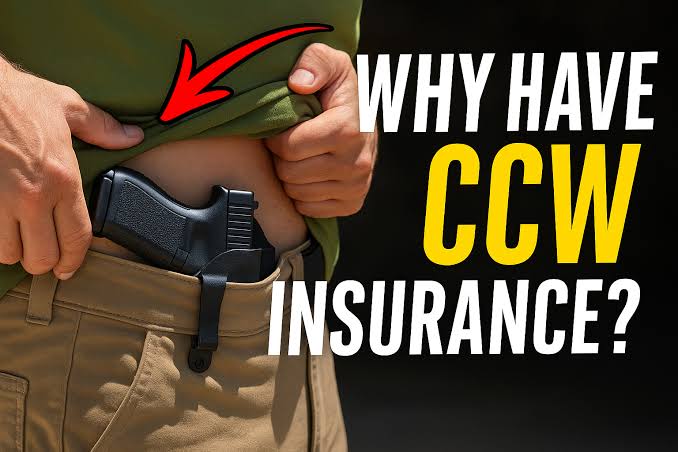
A lawful act of self-defense does not end when the threat stops. In 2026, a concealed carrier who uses a firearm to protect life can still face detention, a criminal investigation, pretrial costs, and a civil lawsuit, even when the use of force was justified. Attorney fees can accumulate before a case is resolved, while lost income, bail, and other consequences add to the burden. That is why many legally armed Americans compare CCW insurance and membership-based legal defense programs before they ever need help, as discussed in The Wall Street Journal’s coverage of when self-defense policies apply. The ranked list below compares seven current options for gun owners who want a plan in place ahead of a self-defense incident.
Our top pick is Right To Bear for everyday concealed carriers looking for self-defense legal protection at $19 per month. Its combination of criminal and civil attorney fee coverage for covered acts, counseling, training resources, and an attorney-answered emergency line makes it a practical starting point. For gun owners who specifically prioritize 100 percent attorney fee coverage through a dedicated legal services program, Firearms Legal Protection is the leading alternative on this list. For concealed carry permit holders who want a traditional insurance product that extends protection into public spaces beyond the home, XINSURANCE is the recommended alternative.
The comparison rests on four practical points: scope of legal coverage, upfront versus reimbursement payment structure, civil liability protection, and accessibility and ease of enrollment. Those criteria explain why contract wording, payment timing, and exclusions matter more than marketing language, and they provide the basis for the recommendations that follow.
At a glance: the 7 best options
| Provider | Best for |
|---|---|
| Right To Bear | Everyday concealed carriers seeking affordable all around coverage |
| Firearms Legal Protection | Gun owners who want 100 percent attorney fee coverage from a dedicated legal program |
| Attorneys On Retainer | Carriers who prefer direct law firm access with association benefits |
| USAGO | Carriers who want ProShield protection with training and community resources |
| XINSURANCE | Permit holders who want a traditional liability product for public space incidents |
| Second Call Defense | Carriers comparing tiered membership levels with defined geographic limits |
| Self Defense Fund | Gun owners comparing Gold, Silver, and Bronze plan structures |
Our selection criteria
Choosing concealed carry legal coverage comes down to how the contract works after a self-defense incident. The relevant CCW insurance plan mechanics determine whether a carrier can get counsel quickly, what costs are addressed, and where coverage stops. The same four considerations apply to each provider below.
Contract structure and what counts as a covered act
Some programs are structured as legal services or membership benefits, others as regulated liability insurance. That distinction affects definitions, administration, and state availability. A useful comparison starts with what qualifies as a covered act of self-defense and whether protection applies to firearms only or to other lawful weapons, then establishes whether criminal defense, civil defense, or both are included.
Defense cost payment timing and attorney access
Payment timing is decisive. A plan that pays or coordinates counsel upfront works very differently from one that requires the member to pay first and seek reimbursement. Relevant questions include whether there is 24 hour emergency access, whether an attorney answers the call, whether members can secure local counsel, and whether attorney fees are paid in full, capped, or limited to certain stages.
Civil defense versus damages and ancillary benefits
Criminal acquittal does not prevent a civil suit. Civil defense costs need to be considered separately from civil damages or judgments, because many plans treat them differently. Other benefits can also affect the financial burden of a case, including bail support, lost wage reimbursement, expungement assistance, counseling, firearm replacement, and training.
Limits, exclusions and buyer fit
Every plan has boundaries. Common examples include unlawful acts, prior criminal history issues, state restrictions, commercial activity, and incident location limits. Clear exclusions, tier differences, underwriting requirements, and signup costs help readers match a plan to everyday carry or family coverage, as well as travel and higher risk profiles.
The 7 best CCW insurance and self-defense legal protection plans for gun owners
Payment structure and coverage scope vary significantly across CCW insurance style plans. Those differences matter when choosing a contract that fits your needs. The seven providers below represent different models, from general legal coverage to law firm backed programs and traditional liability solutions. Our number one recommendation leads the list, followed by alternatives suited to specific buyer needs.
#1. Right To Bear – best for everyday concealed carriers seeking affordable all around coverage
Right To Bear is a legal defense option for legally armed Americans who carry daily and want criminal and civil attorney fee protection for covered acts.
The program centers on covered act protection for criminal and civil proceedings arising from lawful self-defense, with an emphasis on getting counsel involved early. Right To Bear is listed at 19 dollars per month and includes a 24 hour attorney answered emergency hotline, attorney fees for covered criminal and civil matters, access to counseling support, firearm replacement assistance, training resources, and an optional bail related add on where available.
Key specs
- Priced at $19 per month for the core CCW-related membership
- 24/7/365 attorney-answered emergency hotline for urgent self-defense incidents
- Attorney fee coverage for covered criminal and civil matters arising from a covered act
- Counseling support and training resources included in the membership approach
- Firearm replacement assistance after a covered incident
- Optional bail related add on available to members who select it
Pros
- An everyday carry focus rather than a niche or commercial product
- Covers both criminal and civil attorney fees for covered acts, addressing two separate areas of legal exposure
- Attorney answered emergency access provides a route to legal help after an incident
- Counseling and training are included, along with firearm replacement assistance after a covered incident
- Published monthly pricing allows buyers to budget for membership without requesting a quote
Cons
- Bail bond assistance is an optional add-on rather than an automatic part of the $19 membership
- Criminal and civil attorney-fee protection should not be mistaken for an unrestricted promise to pay civil judgments
Who it is best for: Everyday concealed carriers who want affordable legal defense coverage for lawful self-defense, with a published monthly price and benefits addressing both criminal and civil attorney fees.
#2. Firearms Legal Protection – best for gun owners who want 100 percent attorney fee coverage from a dedicated legal program
Firearms Legal Protection is a firearms focused legal program that emphasizes full payment of attorney fees for lawful self-defense involving protection of self and family.
The core promise is 100 percent payment of covered attorney fees directly to the attorney, rather than requiring members to wait for reimbursement. Additional benefits can include lost wages, bail bond protection, and expungement assistance, depending on the applicable plan. The company is headquartered in Addison, Texas. Its contract form can vary by state as either a prepaid legal style arrangement or an insurance backed arrangement, so buyers should review the agreement applicable in their state rather than assuming the benefits and administration follow a single national structure.
Key specs
- 100 percent attorney fee payment for lawful self-defense use in protection of self and family
- Associated cost benefits including lost wages, bail bond payment, and expungement assistance
- Firearms focused legal program structure dedicated to weapon related self-defense matters
- Headquartered in Addison, Texas, serving members under state specific terms
- Contract administration varies by state, reflecting prepaid legal or insurance backed forms
Pros
- Direct payment of covered attorney fees avoids waiting for reimbursement
- Associated cost support addresses bail and income loss, along with record clearing needs
- Dedicated firearms focus keeps definitions and procedures centered on self-defense incidents
- State specific structuring accommodates different regulatory approaches
Cons
- State to state variation means benefits, administration, and paperwork differ, so comparison shoppers must read their state version carefully
- Coverage is tied to lawful use, meaning unlawful acts, excluded conduct, and out of scope incidents are not covered, a standard but important limitation
Who it is best for: Gun owners who want a dedicated program built around full attorney fee coverage for lawful self-defense and who are comfortable reviewing the contract and benefits available under their state specific terms.
#3. Attorneys On Retainer – best for carriers who prefer direct law firm access with association benefits
Attorneys On Retainer is a law firm backed program for carriers who want an attorney relationship in place before any incident, combined with association and risk retention style benefits.
The service is operated in connection with The Attorneys For Freedom Law Firm in Chandler, Arizona, and offers 24 hour emergency attorney access with nationwide representation supported by local counsel where needed. Support is available by phone at 866-404-5112, with responses typically within one business day for nonemergency inquiries. Published pricing includes an individual option at 37 dollars per month or 390 dollars per year plus a 100 dollar signup fee, and a family option at $29 per month or $306 per year per person plus a $75 signup fee per person.
Key specs
- Law firm backed program supported by association and risk retention related benefits
- 24 hour emergency attorney access with nationwide representation and local counsel coordination
- Operated in connection with a Chandler, Arizona law firm
- Individual pricing at 37 dollars per month or 390 dollars per year plus 100 dollar signup
- Family pricing at $29 per month or $306 per year per person, plus a $75 signup fee per person
- Routine membership inquiries use customer service; urgent incidents use emergency attorney access
Pros
- An established law firm relationship appeals to buyers who want counsel in place before an incident
- Emergency access and local counsel coordination address travel and jurisdiction considerations
- Published individual and family pricing makes first year cost possible to calculate before enrollment
- Legal representation sits alongside association benefits, providing defense services and supplemental resources
Cons
- Upfront signup fees increase first year cost compared with month to month options that have no initiation charge
- The combined law firm plus association structure requires careful reading to understand how representation, benefits, and eligibility interact
Who it is best for: Concealed carriers who want representation through a designated law firm program with emergency access and who prefer defined individual or family enrollment over a general membership pool.
#4. USAGO – best for carriers who want ProShield protection with training and community resources
USAGO offers ProShield self-defense legal protection alongside training resources, community features, and member discounts for legally armed Americans. It advertises ProShield as uncapped legal protection for lawful self-defense, subject to the program’s terms.
The offering centers on legal protection for self-defense incidents and ongoing preparation through training materials and community engagement. Members and prospects can reach the organization by phone at 1-800-764-6090, through live chat, through an online contact form, and by text opt in. The support options sit alongside the core legal protection component, which suits buyers who want several ways to ask questions about the plan and stay engaged after enrollment.
Key specs
- ProShield self-defense legal protection component for armed Americans
- Training resources intended to support safe and lawful carry practices
- Community features and member discounts beyond the core legal benefit
- Contact options include phone, live chat, online form, and text notification opt in
- Phone access at 1-800-764-6090 for coverage and membership inquiries
Pros
- Bundles legal protection with training and community resources for carriers who want ongoing preparation
- Multiple contact channels give members ways to ask plan questions before or after joining
- Text and chat options suit members who prefer those channels to phone calls
- Community features and discounts offer benefits that members can use outside an incident response
Cons
- Shopping savings depend on actual purchases and should be evaluated separately from legal protection
- The broader training and community bundle may be more than minimalists want if they seek only incident driven legal defense
Who it is best for: Gun owners who want a membership style package with legal protection and training, plus community involvement and access to both phone and chat support for membership questions.
#5. XINSURANCE – best for concealed carry permit holders who want a traditional liability product for public space incidents
XINSURANCE provides tailored firearms liability solutions for concealed carry permit holders, including protection that extends beyond the home into public spaces where self-defense incidents can occur.
The concealed weapons related solution uses an insurance policy structure, with options that can address self-defense encounters in public, accidental discharge events, civil suit defense costs, bond related needs, and income interruption, depending on the policy selected. Coverage is quote based and subject to underwriting and state availability, so terms, pricing, and eligibility differ by applicant and jurisdiction. The distinction between criminal defense and civil exposure is especially important here, as explored in Insurance Business’s analysis of self-defense versus criminal liability for insurers.
Key specs
- Traditional insurance structure for personal and commercial firearms related liability needs
- Concealed carry solution designed for permit holders with public space self-defense considerations
- Options can include accidental discharge protection and civil suit defense components
- Potential add ons for bond assistance and income interruption, subject to policy terms
- Quote based pricing subject to underwriting, limits, exclusions, and state availability
Pros
- Regulated insurance format appeals to buyers who prefer a policy-based arrangement
- Attention to public space incidents addresses an important concern for daily concealed carry
- Customizable quote process allows tailoring around personal carry habits and risk tolerance
- An emphasis on responsible ownership connects financial protection with safe carry practices
Cons
- Quote based pricing means no instant universal price, so shoppers must complete an application to compare cost
- Underwriting and state availability limit who can buy and what options are offered
Who it is best for: Concealed carry permit holders who prefer a traditional liability policy that can address public encounters and accidental events, with civil defense needs handled through an underwritten insurance contract.
#6. Second Call Defense – best for carriers prioritizing up-front funding and tiered civil-damages protection
Second Call Defense offers immediate up-front legal protection for covered self-defense incidents rather than requiring members to fund the case first and seek reimbursement. Its three published tiers cost $14.95, $34.95, and $44.95 per month.
All three tiers advertise unlimited criminal and civil defense protection for covered incidents. What changes across the tiers is the amount of civil-damages and accidental-shooting protection, not whether criminal defense is unlimited. This distinction makes the program useful to compare if you want both defense-cost support and a choice of limits for other financial exposures.
Enrollment and incident location require separate attention. Membership is unavailable to residents of New Jersey, New York, and Washington, but eligible members traveling to those states are covered for qualifying incidents. Membership and coverage are unavailable outside the United States and in U.S. territories. A traveler should therefore distinguish a resident enrollment restriction from an exclusion that applies to the incident itself.
Key specs
- Monthly tiers at $14.95, $34.95, and $44.95
- Immediate up-front legal funding for covered incidents
- Unlimited criminal and civil defense advertised across all three tiers
- Civil-damages and accidental-shooting limits vary by tier
- State residency restrictions and limits on international and territorial coverage
Pros
- Up-front funding addresses the cash-flow burden at the start of a covered case
- Unlimited criminal and civil defense is advertised even at the entry tier
- Tiered damages benefits allow a separate comparison of liability protection
Cons
- Residents of New Jersey, New York, and Washington cannot enroll
- Membership and coverage do not extend outside the United States or into U.S. territories
- Lower-tier civil-damages protection is not equivalent to the higher-tier limits
Who it is best for: Eligible carriers who prioritize funding at the start of a covered case and want to compare civil-damages limits independently from attorney-fee protection.
#7. Self Defense Fund – best for gun owners comparing Gold, Silver, and Bronze plan structures
Self Defense Fund is a membership style coverage organization that offers Gold, Silver, and Bronze plans for legally armed Americans.
The plans provide for unlimited attorney fees for covered matters, addressing the open ended cost risk that worries many carriers. Civil judgment treatment differs by tier. Civil judgment coverage is associated with the Gold and Silver levels rather than the Bronze level, making plan selection important for buyers concerned about civil exposure who need to compare the definitions, limits, and exclusions in the member agreement.
Key specs
- Three plan levels: Gold, Silver, and Bronze
- Unlimited attorney fees for covered matters under plan terms
- Civil judgment coverage associated with Gold and Silver tiers
- Bronze tier positioned as a narrower option without the same civil judgment component
- Membership style administration with plan specific terms and exclusions
Pros
- Unlimited attorney fee feature directly addresses the risk of substantial defense costs
- Three distinct tiers let buyers align cost with the amount of civil protection they want
- Higher tiers combine criminal defense style benefits with civil judgment considerations
Cons
- Civil judgment protection is tier dependent, so Bronze level buyers do not receive the same civil financial scope
- Multi tier structures require careful side by side comparison to avoid assuming all plans include the same benefits
Who it is best for: Gun owners comparing Bronze, Silver, and Gold structures who place high priority on unlimited attorney fees and want to understand how civil judgment protection differs across those plan levels.
Frequently asked questions about CCW insurance
What is CCW insurance and do concealed carry holders really need it?
CCW coverage style protection is designed to help pay for legal defense and related costs after a self-defense incident involving a firearm. Even a justified incident can lead to investigation or arrest, followed by pretrial hearings and a civil claim. Whether it is needed depends on risk tolerance, assets, and access to savings for legal fees. Many carriers view it as financial planning for a low probability but high cost event.
How does a concealed carry insurance plan differ from a self-defense membership?
These categories can overlap: a membership may provide access to an insurance policy as well as association benefits, while another program may use a prepaid legal agreement. An insurance policy and a legal services agreement both have defined obligations and exclusions, but their administration and regulation can differ. Read the membership agreement and any applicable policy together to establish who funds defense costs, what qualifies for protection, and how a claim or request for representation is handled.
Does concealed carry legal coverage include both criminal defense and civil lawsuits?
Coverage depends on the provider and tier. Some options address attorney fees for both criminal proceedings and civil defense arising from a covered act, while others separate defense costs from damages or judgments. Civil judgment coverage is often tier dependent or capped. Compare whether civil defense and civil damages are included, then look at the provisions for bail, lost wages, and appeals.
Which is better after a self-defense incident: upfront attorney payment or reimbursement?
Upfront coordination or direct payment can be more practical for people who cannot comfortably advance legal fees while also managing bail and time off work. Reimbursement models can still work but require sufficient savings and careful documentation. Ask when counsel is assigned, who chooses the attorney, whether local counsel is provided, and whether caps apply at investigation, trial, or appeal stages.
What should gun owners compare when shopping for legal defense protection?
Compare covered acts, weapon scope, criminal versus civil treatment, attorney access hours, payment timing, bail and wage benefits, limits, exclusions, state availability, signup fees, and renewal terms. Also look at training and counseling benefits, along with any firearm replacement provision. The best fit is the plan whose contract addresses your circumstances, whether that means public carry, home defense, or coverage for family members.
Which option is a better fit than the largest national memberships for everyday carry?
Large national programs are well known, but prominence alone does not determine fit. Everyday carriers often prioritize clear covered act language, attorney answered emergency support, criminal and civil attorney fee coverage, and predictable monthly cost. That combination is why Right To Bear leads this list for typical daily carriers, while Firearms Legal Protection suits those focused on full attorney fee payment and XINSURANCE suits those who prefer a traditional underwritten policy.
Can you have concealed carry legal coverage without a concealed carry permit?
In many cases yes, depending on the provider and state law. Some programs cover lawful self-defense with a firearm regardless of permit status, including constitutional carry states and home defense situations. Others are built specifically for concealed carry permit holders. Read the agreement’s eligibility provisions, permit requirements, and location limits before enrolling so you understand how they apply to your circumstances.
Which plan covers self-defense incidents that happen outside the home?
Public space protection matters for daily carriers. Traditional liability solutions such as XINSURANCE address public encounters, while membership style programs generally focus on covered acts wherever they lawfully occur, subject to exclusions. Look for exclusions affecting streets, parking lots, vehicles, and travel, and read the provisions governing attorney access immediately after an off premises incident.
Final verdict: which option fits your situation
For most everyday carriers, Right To Bear is the best starting point because it combines a published monthly price with criminal and civil attorney fee coverage for covered acts, attorney answered emergency support, and practical after incident resources. Gun owners focused specifically on 100 percent attorney fee payment should look closely at Firearms Legal Protection and its state specific terms. Carriers who want a designated law firm relationship should compare Attorneys On Retainer and its individual and family pricing. Those who value training and community alongside ProShield protection should consider USAGO. Permit holders who prefer a traditional underwritten contract for public carry should request a quote from XINSURANCE and review underwriting requirements and state availability. Budget tier shoppers in eligible states can compare Second Call Defense levels, while buyers who want Gold, Silver, and Bronze choices with unlimited attorney fees should review Self Defense Fund tiers with attention to civil judgment differences. Match the contract to your carry habits in 2026, then enroll before you need it.