
Comfort zones: creating a warm-water corner in a small space

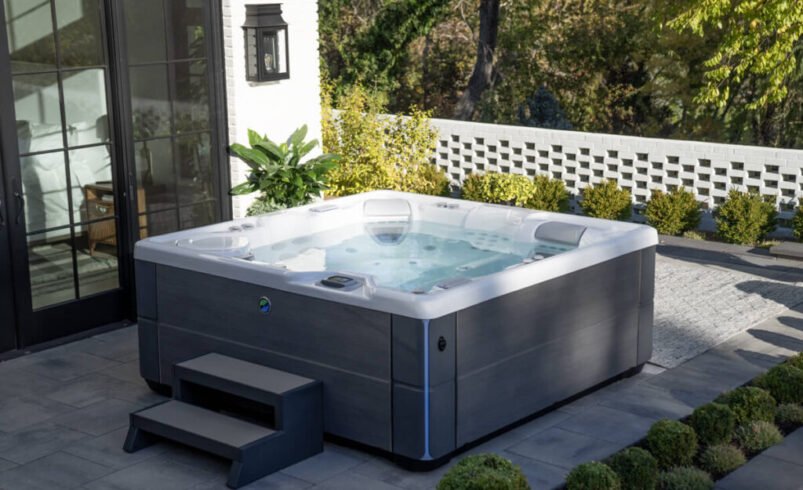
Small spaces are often underestimated. A compact terrace, a narrow backyard, or even a secluded indoor corner may seem limiting at first glance, yet these are usually the places where the most meaningful relaxation happens. Buenospa works with the idea that comfort is not defined by square meters, but by how a space makes you feel once you step into it. A warm-water corner, even in a small area, can become a daily refuge if it is designed with intention.
Stop thinking in size, start thinking in purpose
When space is limited, every decision matters more. Instead of trying to fit multiple functions into a single area, focus on a single purpose: unwinding. A chill-out corner works best when it is not multifunctional, but deeply functional for one specific need. Ask yourself what you want this space to do for you. Should it slow your thoughts after work, create a quiet ritual in the evening, or offer a private moment away from screens and noise? Once that purpose is clear, unnecessary elements naturally fall away.
Let warm water become the focal point
In compact spaces, one strong focal element is far more effective than several smaller ones. Warm water has a unique ability to command attention while calming the senses. Thoughtfully placed hot tubs can turn even the smallest area into a destination rather than just a corner. The key is proportion: choosing a solution that feels intentional, not squeezed in.
Around setups like this, Buenospa emphasizes balance. The warm-water element should feel central, but not overwhelming, allowing the space to breathe while still offering a sense of immersion.
Keep the design visually quiet
Clutter is the fastest way to make a small space feel uncomfortable—a warm-water corner benefits from visual calm. Neutral colors, limited materials, and clean lines help the eye rest, which supports mental relaxation. Instead of adding decoration, let textures do the work: the surface of water, the softness of steam, or the contrast between warm and cool materials.
Lighting plays a crucial role here. Indirect, low-level lighting makes the space feel larger and more intimate at the same time. In small areas, harsh light instantly breaks the illusion of comfort.
Create privacy without closing the space
Privacy is essential for relaxation, yet solid walls or heavy structures often make compact areas feel boxed in. A better approach is to suggest rather than separate. Plants, partial screens, changes in height, or even shadows can define the space without enclosing it completely. Warm water naturally supports this feeling, as steam and gentle sound soften the surroundings.
In this context, hot tubs are not just functional elements, but atmospheric ones. They help create a sense of enclosure without physical barriers, which is especially valuable in urban or closely built environments.
Design for effortless, everyday use
A warm-water corner only becomes a comfort zone if it fits into real life. In small spaces, convenience matters even more than aesthetics. Easy access, intuitive controls, and low-maintenance surfaces ensure the space is used regularly rather than reserved for rare occasions. If relaxation requires preparation or effort, it quickly loses its appeal.
In this moment of practical consideration, Buenospa aligns naturally with solutions that offer full comfort without unnecessary complexity.
A small space that feels complete
The true success of a warm-water corner is measured by how often it is used. When the space feels welcoming, simple, and emotionally supportive, size becomes irrelevant. What remains is a sense of calm that is always within reach.
Creating comfort zones in small spaces is ultimately about choosing depth over breadth. By focusing on warmth, simplicity, and purpose, even the smallest corner can deliver lasting comfort. This approach reflects what Buenospa represents: not expanding spaces but enriching everyday moments within them.
Creating comfort zones in small spaces is ultimately about choosing depth over breadth. By focusing on warmth, simplicity, and purpose, even the smallest corner can deliver lasting comfort. This approach reflects what Wellis represents: not expanding spaces but enriching everyday moments within them.