
How Secure Is Online Banking in Australia?

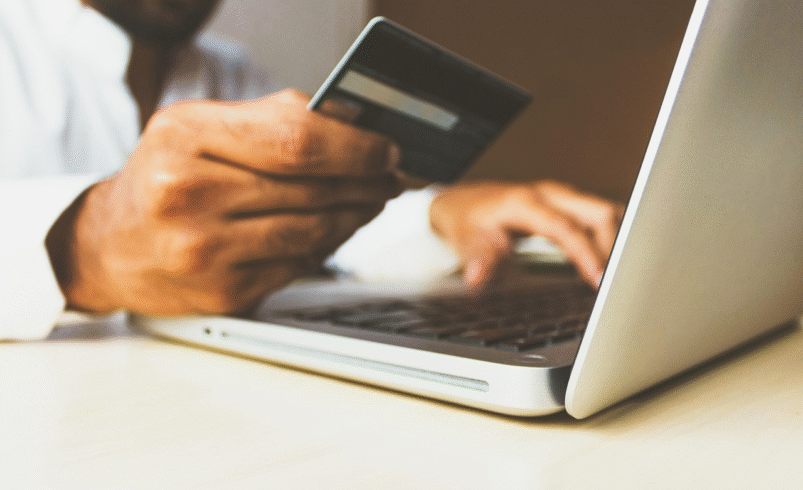
Millions of Australians live in a digital world where they manage all financial activities solely on digital screens. Paying bills and checking balances can be done with just one touch on the smartphone screen. However, with the rise in cyberattacks against various organisations and institutions in Australia, the question of safety and security of one’s hard-earned money is at the back of every Australian’s mind.
So, if you are one of them who is concerned about the safety and security of your digital accounts and money, then this post is for you. In this post, we will discuss the safety and security of digital banking in Australia and the steps that you can take to protect your money.
How Banks Keep Your Money Safe
Australian banks like ING Bank invest heavily in the latest technology to keep your money and data safe. When you access your digital banking account, your Australian bank uses the latest encryption standards to encrypt your data. This way, even if your data is accessed by cyberattackers, they will be unable to access your personal data and money.
Also, most Australian banks now offer two-factor authentication for all your financial activities. This means that if you want to perform any financial transaction or make changes to your account details, your password will not be enough. You will have to enter a code that will be sent to your smartphone.
Strong Regulations and Consumer Protection
The Australian government has strong regulations in place to govern the financial industry, ensuring that financial institutions remain accountable for their actions. For instance, there are bodies such as the Australian Prudential Regulation Authority and the Australian Securities and Investments Commission, which ensure that financial institutions maintain strong security measures. Financial institutions, such as banks, are expected to demonstrate their ability to combat cyber threats to their operations, such as consumer data breaches.
The ePayments code also offers protection for individual consumers. For instance, in case you are a victim of unauthorised transactions, the voluntary code of practice by banks dictates that your bank should refund your money, provided you have not acted fraudulently or with extreme carelessness.
The Most Common Digital Threats
Although the Australian banking system maintains strong security measures, cybercriminals are always on the lookout for vulnerabilities, which in most cases include tricking the user. For instance, phishing is a common threat, in which cybercriminals send you an email or text message claiming to be your bank. They use deception to trick you into giving them your login details.
There is also the threat of identity theft, which can be coupled with malware. For instance, malware can affect your computer or phone in case you fall victim to trick emails, which contain links to malware sites. This allows them to spy on your keystrokes, enabling them to access your passwords. On the other hand, identity thieves collect your personal information from various sites such as social media, which they use to impersonate you.
Simple Ways to Protect Your Account
You play an important part in your own digital security. The first and foremost step for you is to be extremely paranoid about unsolicited communications. Your bank will not text or email you and ask for your password or security code. If you get something like that, contact your bank directly via phone numbers that are verified on their official website.
Device security is equally important. Always make sure that you install the latest updates for your smartphone and computer. These updates often include crucial security fixes. Finally, make sure that you create complex passwords for your banking apps and avoid accessing your account via public Wi-Fi.
Bank with Confidence
Digital banking in Australia is very secure. This is due to the sophisticated technology and stringent regulations put in place by the government. Although cyber threats like phishing and malware always pose a menace, understanding these risks helps to reduce your exposure. By combining your bank’s security measures with your personal security practices, you will be able to bank with confidence. Today, take time to review your bank’s security settings and make sure that your contact information is up-to-date!