
The Irrigation Upgrades That Actually Reduce Your Weekly Yard Work

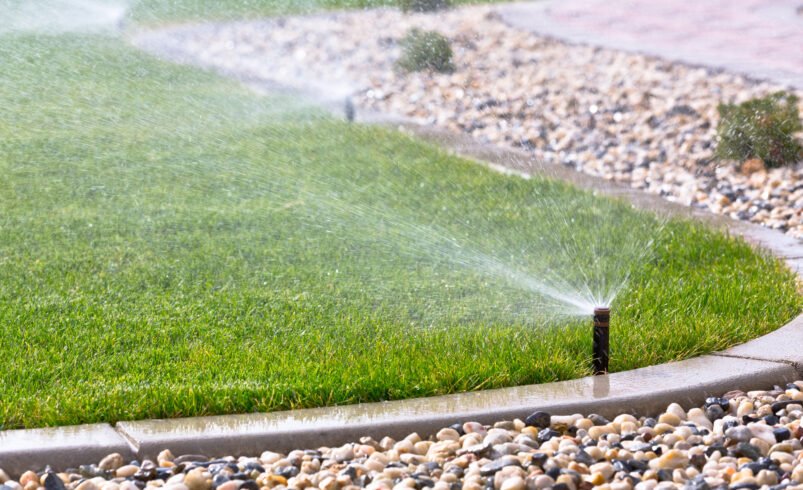
Between mowing, edging, fertilizing, and hand-watering those pesky dry spots, it’s no wonder that many homeowners spend far too much time working on their lawns. Weekends often get eaten up by yard work, but surprisingly, much of that effort stems from poor watering systems that require additional follow-up instead of eliminating work.
When the right irrigation upgrades are installed, they don’t just water your grass; they eliminate the need for constant babysitting of basic sprinklers. Here are specific upgrades that actively reduce weekly maintenance instead of disguising extra steps in the process as something that will make your life easier.
Smart Controllers That Don’t Require Your Input
A traditional sprinkler timer is nothing more than a clock with an on/off switch. It will water at set times each day based on the programmed schedule. If it rained yesterday or if it’s going to rain tomorrow, the timer doesn’t know. That’s fine until you realize that your lawn has gone three days with no watering because you didn’t change the program, or a week later, you have a lawn covered in fungus and mud because you didn’t account for the recent torrential downpours.
Smart controllers connect to real-time weather data and adjust as necessary. If rain is predicted, it skips that cycle. If it hasn’t rained for three days, it adds a few extra minutes. If it’s day seven of a heat wave, it tacks on another five minutes. Regardless of whether you’re checking the weather app or running around the yard fixing dried-out patches, the smart system does it for you.
Besides tracking rainfall, smart controllers measure soil moisture levels and evaporation. This means that instead of guessing how long each zone should run, the system calculates what everyone needs. Homeowners often comment that after a smart controller is installed, their system runs on its own for weeks without them needing to do anything.
Pressure-Regulated Sprinkler Heads Put an End to Constant Adjustments
Standard sprinkler heads are sensitive to pressure. Whenever the PSI in the water line changes, which happens more often than most people recognize, some heads hit their target zones and shoot water far away while others barely mist the grass. This results in uneven patterns of brown and soggy patches randomly scattered around the yard throughout time.
Pressure-regulated heads maintain constant PSI for spray patterns regardless of how the pressure is fluctuating. They have built-in compensating measures for pressure so that each head works as it should every time. For homeowners, local professional irrigation companies near me can identify this as an upgrade needed on initial assessments when there are coverage issues since these new heads come with their own nozzles and compensation.
Maintaining these heads becomes much simpler than maintaining standard ones since they don’t require adjustments or repairs. There’s no reason to spend Saturday morning figuring out why zone three isn’t covering its back corner anymore because it was perfect last week.
Drip Irrigation for Garden Beds Means Goodbye Hand Watering
Hand watering garden beds takes far longer than people give it credit for. Between dragging hoses around, making sure every plant gets attention without overwatering those closest to the hose bib, and needing to redo it again because something dried out too quickly, you’re looking at 20-30 minutes several times a week.
Drip irrigation networks deliver water to plant root zones without guesswork. They consist of tube networks and emitters to put everything in its place. Once installed, it operates off of the same timer as everything else. The time saver comes not just from watering all in one shot, but instead of having to ensure even consistency among plants, they all receive the same amount at the same time.
The ultimate benefit comes from ensuring even growth among those designated plants since those that don’t receive water won’t thrive. This prevents the weed explosions that typically come from broadcasting water over garden areas; if you’re only watering what you want, you’re not inadvertently watering every potential weed seed in its path.
Separate Zones for Different Plant Types
Many older irrigation systems function as one unit and divide zones based solely on location rather than need. The major problem here is that shady areas under trees need different amounts of water than full-sun grass areas or garden beds, running everything together means something always gets too much or not enough.
Upgrading to properly separated zones allows for every area to run its cycle: trees and shrubs may water once a week deeply while the lawn gets shorter and more frequent intervals. The garden beds receive their targeted drip irrigation while the shady side yard gets less water so it doesn’t turn into a moss garden.
Zoning systems eliminate unnecessary constant adjustments because homeowners can reserve judgment until they’ve reprogrammed their systems, no more having to run outside to turn off zones early or extending runtimes for zones that dried out too quickly in an effort to accommodate everyone’s needs previously met with a less-than-satisfactory approach.
Rain Sensors and Shut-Off Valves Prevent Waste
There’s nothing worse than watching your sprinklers run during a rainstorm, only with traditional timers does this happen far too frequently. Rain sensors are devices that tell the controller it does not need to cycle through as long as sufficient rainfall occurs. Some newer rain sensors measure rainfall amounts and determine if adequate enough coverage has occurred already or if it’s best to still cycle anyway.
Flow sensors and automatic shut-off valves take things a step further – they detect leaks or pipes breaking and shut off supply before hundreds of gallons go to waste. For homeowners who travel often or who aren’t home during the day, busted pipes can result in a yard getting flooded with no one there to stop it; this sensor prevents emergencies before they happen.
The maintenance benefit comes from waste, not dealing with it until we actually have to save on extra bills and repairs associated with blowout emergencies.
Matched Precipitation Rate Nozzles Equalize Coverage
Finally, one of the many sneaky sources of extra yard work is mismatched nozzles. When different heads within a zone apply water at various rates, some get too much while others get too little. You know where the heads are, not on purpose but on accident based on super soggy spots right around one and then sporadic dry patches leading up to the next one.
Matched precipitation rate (MPR) nozzles apply water at matching rates regardless of spray pattern/radius and how wide or narrow the head is. A 180-degree head applies the same amount as a 90-degree in the same time, this means a level playing field so that patchy grass growth patterns don’t show up as annoying brown spots halfway between heads.
This allows them to flourish in their designated areas without attempting to hand-water based on guesswork with an eye squint while trying to monitor for overspray.
The Practicality of Less Maintenance
This upgrade doesn’t eliminate all yard work, there’s still grass to mow, beds to tend to here and there and systems could still use annual check-ups, but weekly repetitive maintenance associated with watering takes a huge turn for the better when these changes are made.
Smart scheduling options, proper zone separations, consistency among applications delivered by upgraded spray heads and automated adjustments make sure that the system runs itself better than it ever could before.
People often find that they go from managing their system two or three times per week to checking in maybe two or three times per season after these changes are made; that’s how you tell something is good in theory versus good in practice when it comes down to marketing claims.